
Last updated November 15, 2026
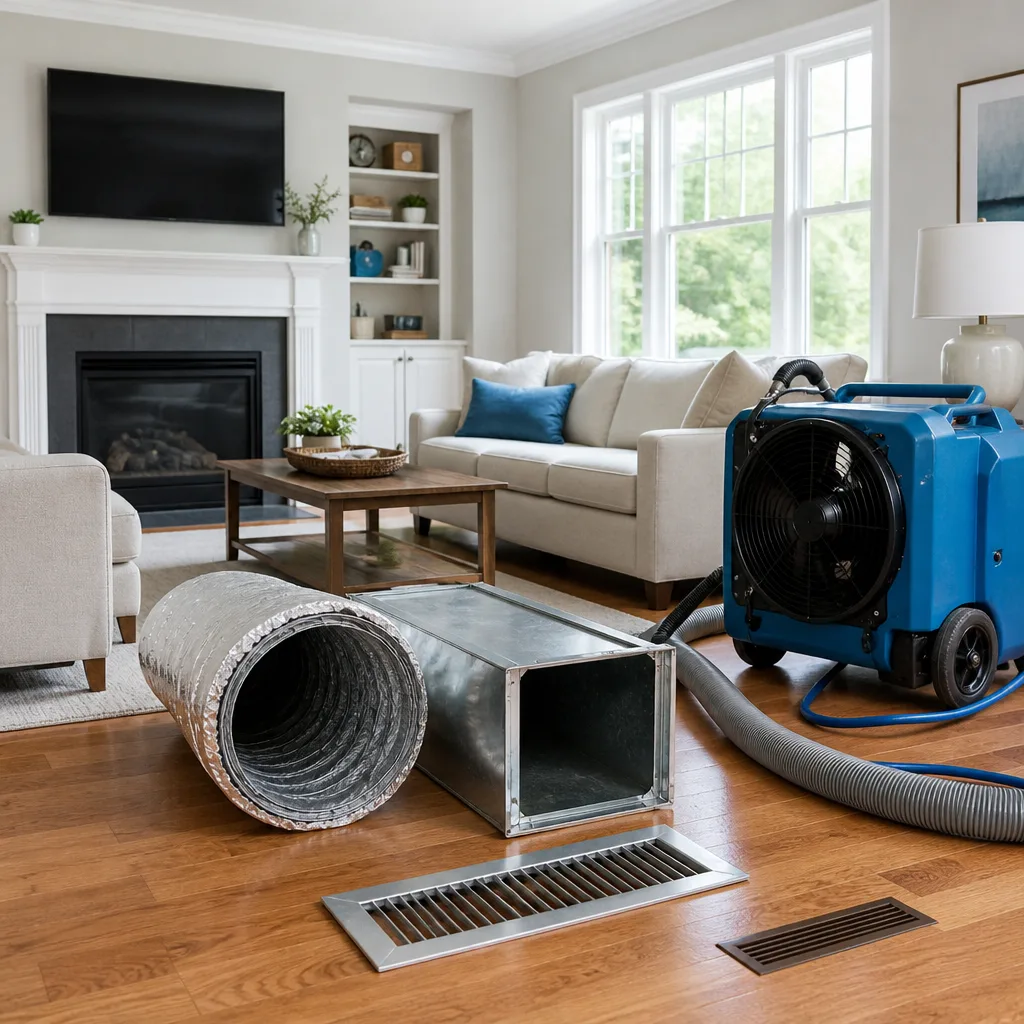 Whole-home duct cleaning
 Dryer vent cleaning
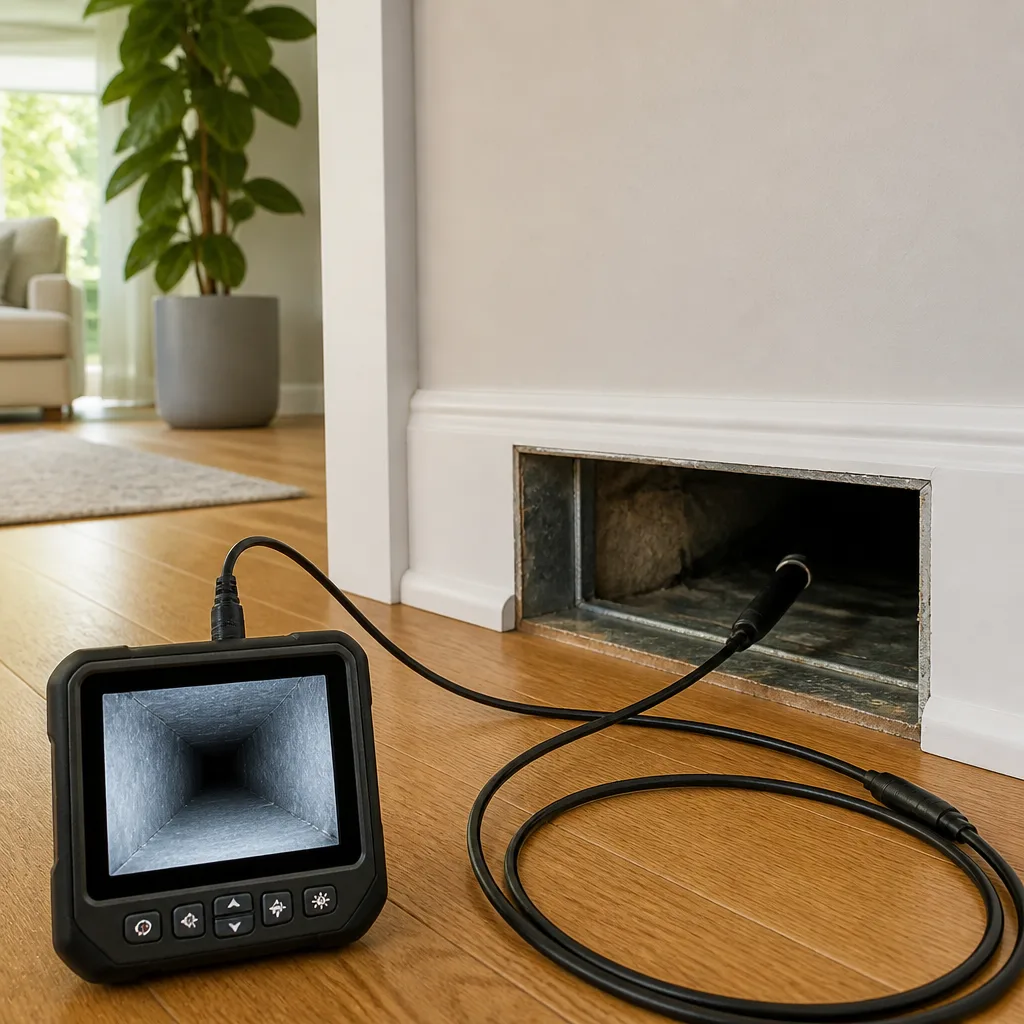 Camera inspection
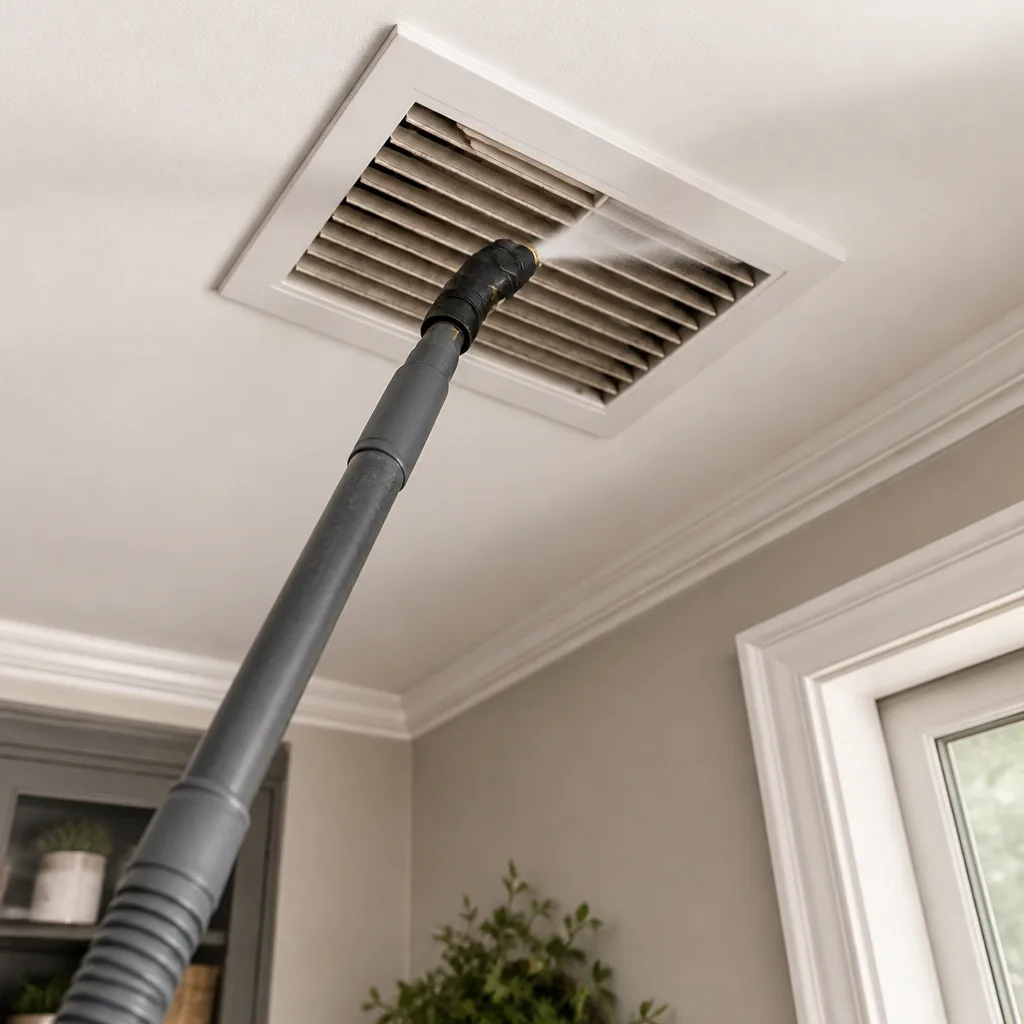 Sanitizing & deodorizing
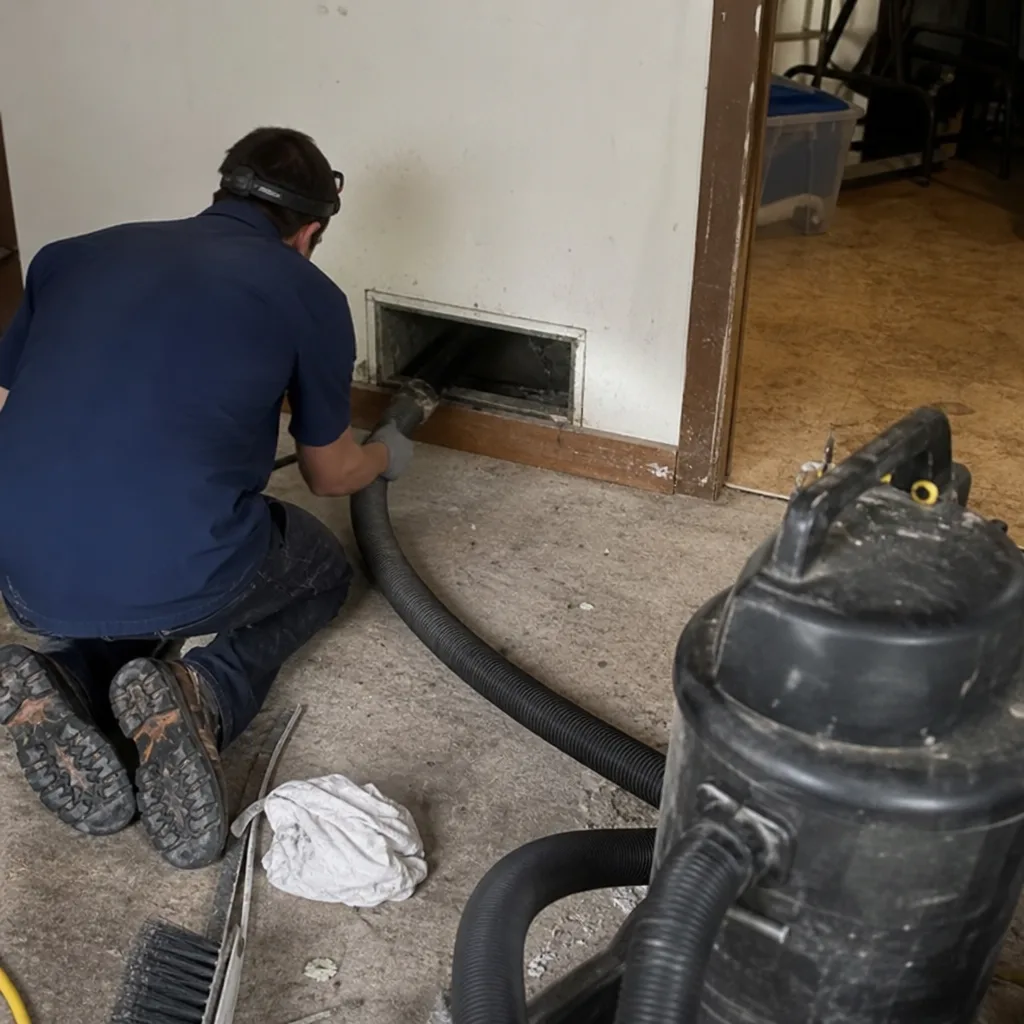
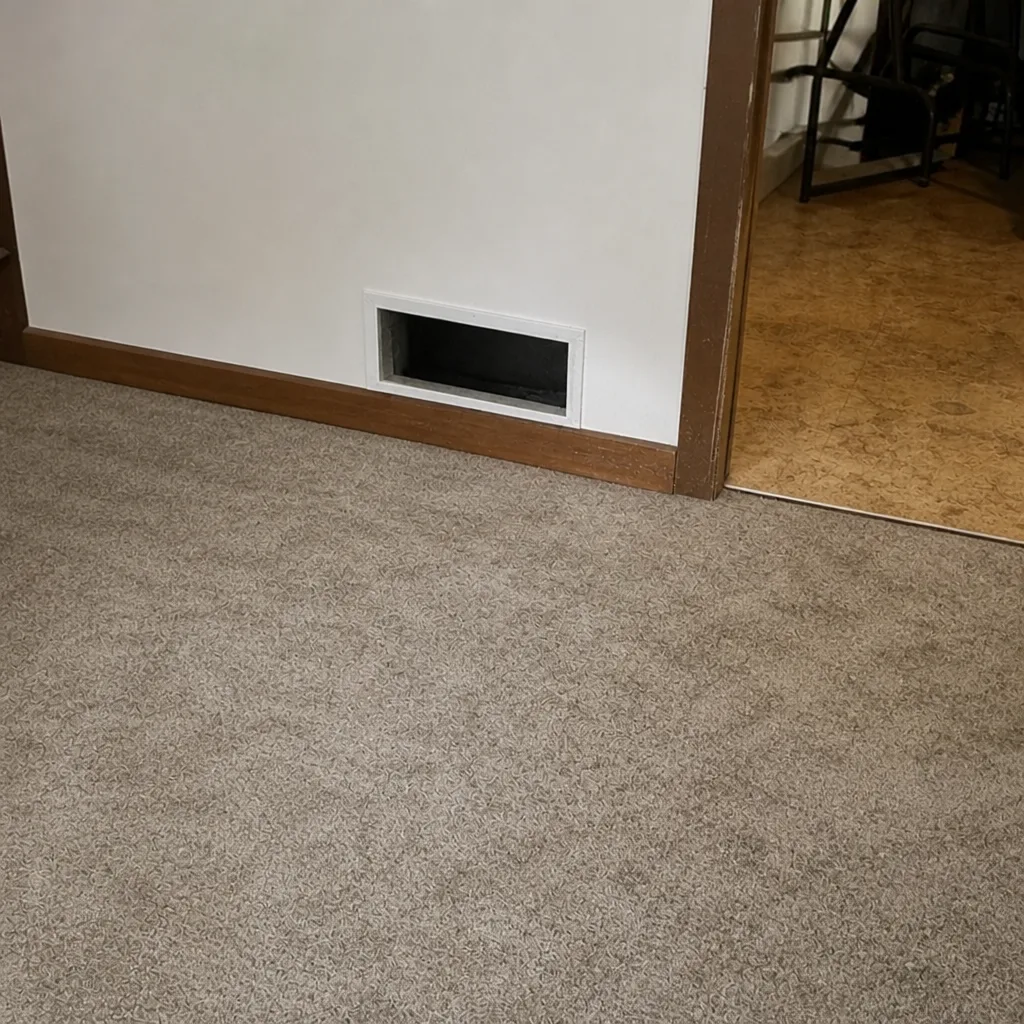
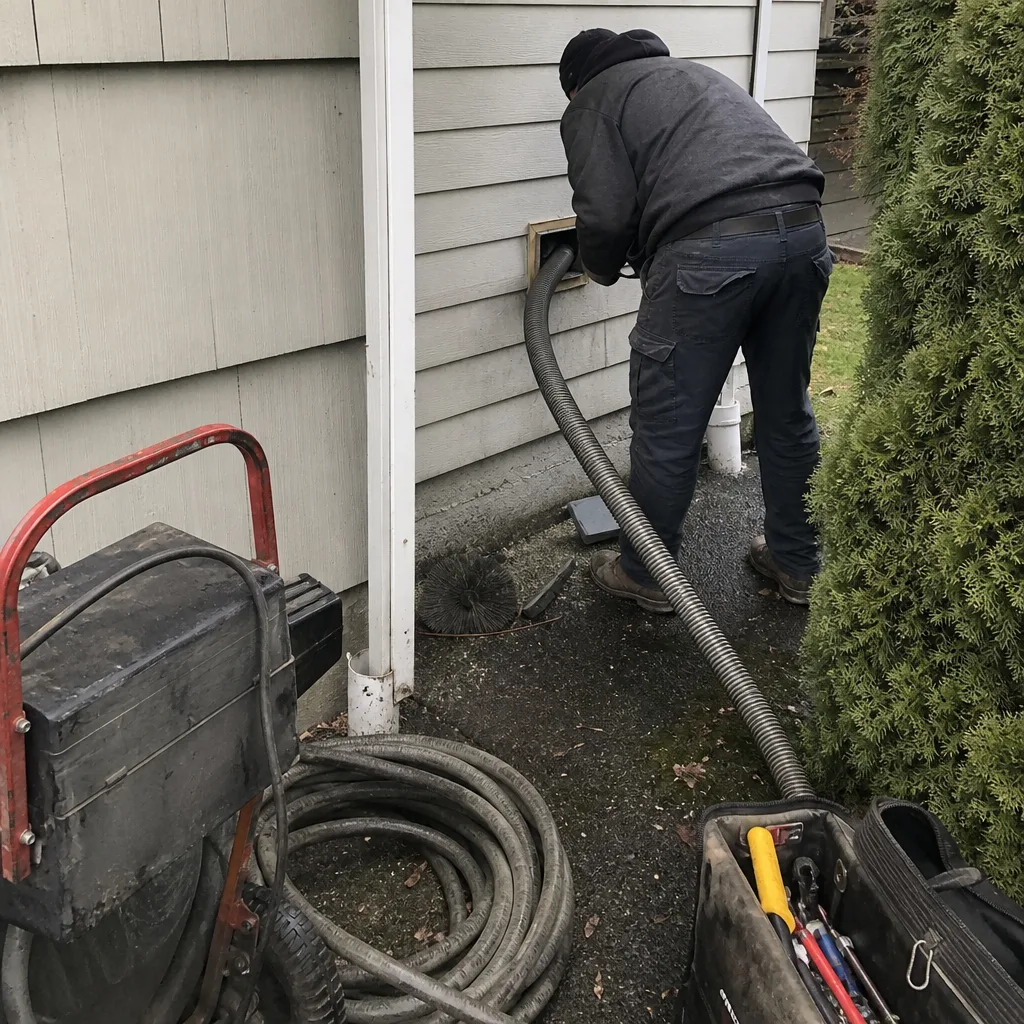
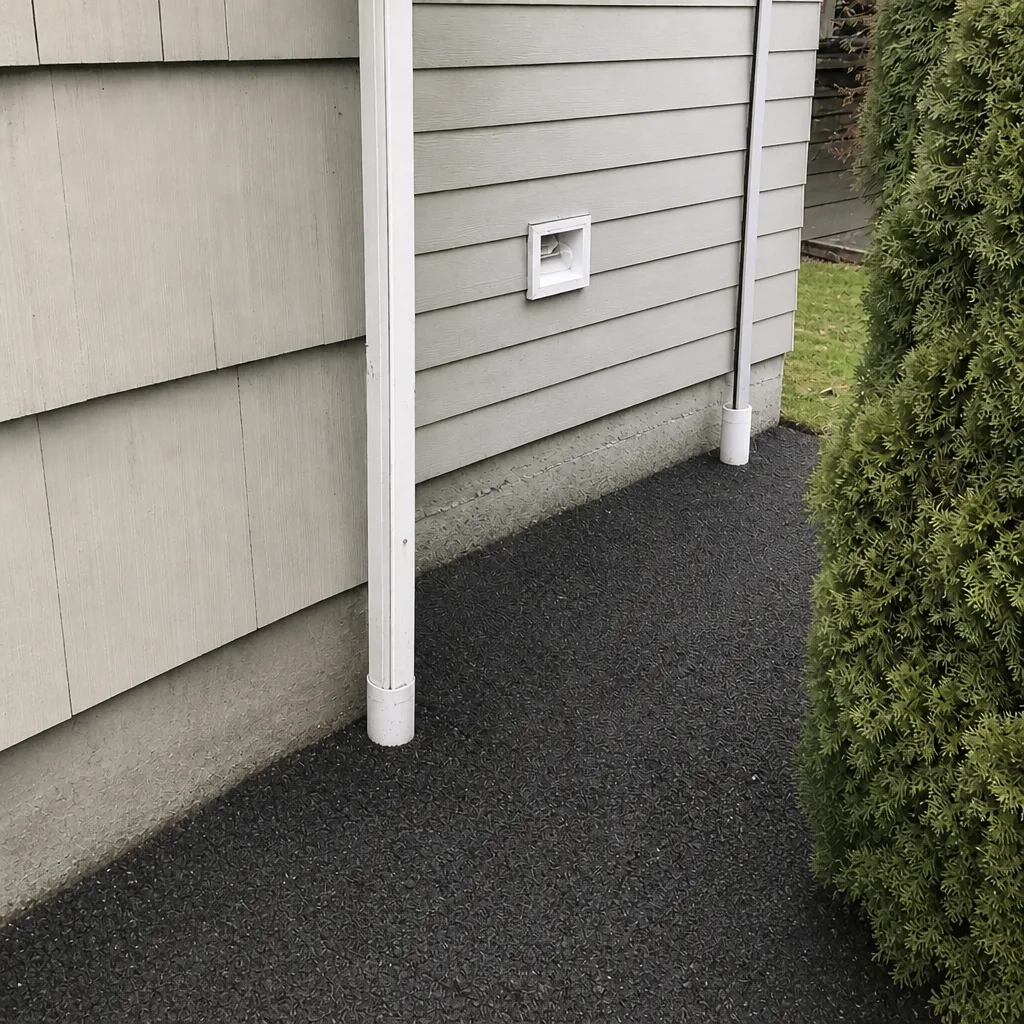
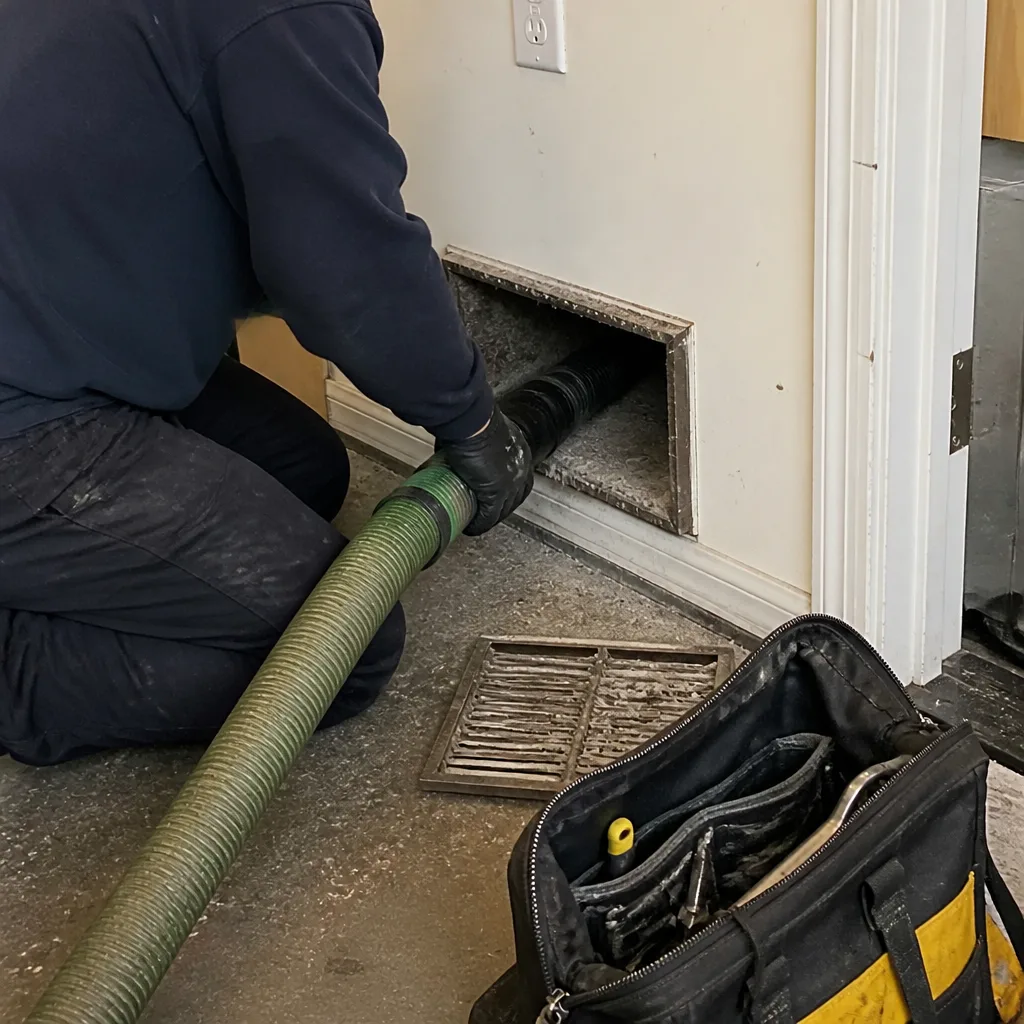
Whole-system duct and dryer vent check with before-and-after photos - you see exactly what came out of your vents
That "$99 whole-house special" is a bait ad - the real number appears once they are in your hallway, or the "clean" is a shop-vac at the register. We photograph the inside of your ducts before and after instead.
Seasonal Air Duct Cleaning Care for Renton: Year-Round Homeowner’s Guide
Most duct cleaning advice tells you to book a cleaning in spring or fall and forget about it until next year. That schedule doesn’t fit how Renton homes actually run. The conventional calendar treats the year as four equal seasons. In Renton, your duct system sees two high-load periods and two maintenance windows, and they don’t line up neatly with the equinoxes.
The high-load periods are late-summer wildfire smoke and the fall heating startup. The maintenance windows are spring and mid-winter, when conditions for inspection and access are at their best. This guide walks through that real pattern month by month, explains what each season actually does inside your ducts, and shows you what you can check yourself versus what needs a professional. By the end you’ll know when to clean, when to wait, and what signs mean the schedule should shift.
Quick Answer
The best time to clean air ducts in Renton is late September through October: after wildfire smoke season has ended, before the heating system starts running hard, and before winter moisture settles into the ductwork. If your home ran through a heavy smoke August, an extra cleaning outside your normal cycle is worth considering. A spring inspection and a mid-winter check round out the year.
Styles & brands we work with
- Whole-home duct cleaning
- Dryer vent cleaning
- Camera inspection
- Sanitizing & deodorizing
Table of Contents
- Why Renton’s Duct Calendar Doesn’t Match Standard Advice
- Why Late September Through October Is Renton’s Optimal Cleaning Window
- What Heating System Startup Actually Disturbs Inside Your Ducts
- Spring Tasks That Don’t Require Professional Cleaning
- How to Assess Whether a Wildfire Smoke Summer Warrants an Extra Cleaning
- The Mid-Winter Maintenance Check: What to Look For in January and February
- Working With Honeywell and Aprilaire Systems the Right Way
- Dryer Vent Cleaning as Year-Round Fire Safety, Not a Seasonal Add-On
Why Renton’s Duct Calendar Doesn’t Match Standard Advice
Renton sits in a basin where summer smoke and winter wet arrive on very different schedules than they do in most of the country. The standard “clean in spring or fall” advice assumes a climate with a mild, even year. Renton doesn’t have one. Late July through September regularly brings wildfire smoke drifting into the Puget Sound region. October brings the first real heating demand. January and February bring weeks of rain and near-constant indoor humidity. And March through May finally dries things out.
That pattern creates two distinct problems for a duct system. In late summer, fine particulate from smoke enters the return air and settles on duct walls. Some of it gets captured by your filter; a good deal does not. In fall, the furnace or heat pump comes on after months of dormancy and blows that accumulated material back into the living space. The two events stack on each other.
Meanwhile the two quiet windows, spring and mid-winter, are actually the best times to inspect. In spring the system is lightly loaded and the weather is dry enough to open up access points without worrying about moisture. In mid-winter the system is working hard, which means any weakness in the ductwork shows itself clearly.
Local housing matters too. Many Renton homes in neighborhoods like Kennydale, Talbot Hill, and the Highlands have ductwork in unconditioned crawl spaces or attics. Those runs see bigger temperature swings than ducts inside a sealed chase, which affects how condensation forms and how particulate settles. If you want a general overview of what a full cleaning involves, our Duct Cleaning Renton page lays out the process start to finish.
Why Late September Through October Is Renton’s Optimal Cleaning Window
Late September through October is the single best window for a professional cleaning in Renton, and the reason is timing rather than luck. Three conditions converge in that period and none of them line up as well any other month.
- Smoke season is over but its residue isn’t. The late-summer particulate has finished settling inside the ducts. Cleaning in October removes that full season’s load before heating season pushes it into your rooms.
- Heating load hasn’t started yet. Cleaning a system that’s already running hard is possible, but you’ll stir up material that would have been captured by a cleaning done before the first cold snap. Getting ahead of the startup means the first heated air of the season is cleaner air.
- Moisture hasn’t locked in. By November the wet season has begun and ducts in crawl spaces and attics start to see condensation. Cleaning while the ductwork is still dry is easier and gives you a clear read on any existing moisture problems.
Practically, that means a call to a duct cleaner in early October is worth more than a call in April. April cleaning is fine, but it happens after the system has already delivered a whole winter of whatever accumulated the previous summer. The spring clean resets things for summer, which is the wrong way round for Renton.
If you’ve already missed the October window, don’t skip the cleaning. A November or December cleaning still removes smoke particulate before it moves through your living space for the rest of winter. It just costs you a few weeks of exposure. The written estimate is set per job, so the timing doesn’t change what you’ll pay.
What Heating System Startup Actually Disturbs Inside Your Ducts
When the furnace or heat pump starts up for the first time in fall, several things happen at once inside your ducts. First, the blower spins up and pushes air through a system that’s been mostly idle. Second, the heat exchanger or coil reaches temperature and any accumulated dust on those surfaces bakes off, producing that characteristic first-heat smell. Third, the duct walls themselves warm up and any moisture that condensed during the cool months begins to evaporate, which loosens particulate that was stuck to the surface.
That’s why first-heat odors are diagnostic, not inevitable. A faint smell that clears in a few minutes is usually just dust on the heat exchanger. A persistent, musty, or sharp odor that lasts through the first week is telling you something:
- Musty smell usually points to moisture somewhere in the system, often near a supply boot in a crawl space or at a joint that’s pulling in damp air.
- Sharp or burning smell can mean dust on the heat exchanger, but if it doesn’t clear quickly, it’s worth having the furnace checked before the season continues.
- Dusty smell with visible dust blowing from registers points to a real particulate load inside the ductwork, which is exactly the situation the post-smoke-season cleaning handles.
In our experience, homes in Renton that skip the October cleaning tend to report stronger first-heat odors than homes that don’t. The difference isn’t magic; it’s just that one system started the season with a clean duct and one didn’t.
One caveat: if you smell gas at startup, that’s not a duct issue. Turn the system off, leave the house, and call your gas utility. We recommend a licensed HVAC or gas professional for anything involving the fuel side of the system.
Spring Tasks That Don’t Require Professional Cleaning
Spring is a maintenance window, not necessarily a cleaning window. Once the wet season winds down and before the cooling season begins is the ideal time to inspect your system carefully and catch small problems before they grow. Most of these checks are safe to do yourself if you’re comfortable around basic home equipment. If you’re not, they’re also the kind of thing a technician can do while they’re on site for something else.
- Pull and inspect each supply and return register. Look for visible dust buildup on the grille, debris caught in the vanes, or anything that suggests pests. Clean what you can reach with a vacuum and a soft brush.
- Evaluate your filter. Check the filter you ran through winter. If it’s dark, clogged, or noticeably heavier than a new one, replace it. Note how long it lasted; that tells you how often to change it through the year.
- Do a visual moisture check near supply boots. Look at the floor or ceiling around each supply register for water staining, soft drywall, or discoloration. That’s the first sign a duct run has a leak or condensation problem.
- Check flex duct connections in the attic or crawl space if accessible. Look for disconnected, crushed, or kinked runs. A single crushed flex run can starve a room of airflow without any obvious symptom other than a cold room.
- Confirm the condensate line or drain pan is clear if you’re running a heat pump or AC. Standing water here is one of the most common reasons for a musty smell once cooling season starts.
What spring inspection does not do is remove particulate that’s already embedded on the duct walls. That’s the job of mechanical agitation followed by high-efficiency extraction, which is what a professional cleaning provides. Our team uses Rotobrush rotary brush equipment to physically agitate the duct walls and Nikro HEPA-rated vacuum equipment to capture what’s dislodged. Spring is the time to know the state of the system; the cleaning window is still October.
How to Assess Whether a Wildfire Smoke Summer Warrants an Extra Cleaning
Most Renton homes fall into a clean-every-12-to-18-months rhythm. A heavy smoke summer is the main legitimate reason to break that rhythm and clean sooner. The question is how to know whether the summer was heavy enough for your specific home.
Start with these indicators:
- How many days did you run the system with windows closed during smoke events? If your home was sealed up and the HVAC ran for weeks during smoke, the system acted as the air handler for your whole house and collected particulate accordingly.
- Did your filter clog unusually fast? A filter that would normally last two to three months that instead clogged in four to six weeks is a reliable signal that your home saw heavy particulate load. Repeat that across the season and the ductwork is almost certainly holding more than usual.
- Are you seeing dust settle faster than in other years? If horizontal surfaces near supply registers accumulate dust noticeably faster after a smoke summer, the system is pushing accumulated material into the room.
- Do you or family members notice more allergy-type symptoms inside the house? This is imperfect and worth taking seriously without over-reading it. A pattern that starts in August and continues into fall is a reason to have the system inspected.
- Is there visible staining or discoloration at supply registers? A gray film that wasn’t there before is a strong sign of heavy smoke load in the ducts.
If two or more of those apply, an extra cleaning in October is worth doing. If only one applies and it’s the filter, you may be fine waiting until your normal cycle. Whole-home air quality equipment from Honeywell or Aprilaire helps a great deal by capturing more particulate at the filter or purifier, but it doesn’t eliminate the need to clean the ducts themselves. If your system runs either brand, our air duct cleaning service is set up for premium filtration hardware.
The Mid-Winter Maintenance Check: What to Look For in January and February
January and February in Renton are the system’s stress test. The heat runs nearly continuously, the outdoor humidity is high, and any weakness in the ductwork shows up. This is not a cleaning window; it’s an inspection window. Here’s what to check:
- Feel the supply air at each register. A room that’s noticeably cooler than the rest of the house during peak heating usually has a duct problem. It could be a disconnected run, a crushed flex duct, a damper stuck closed, or a boot that’s come loose from the floor.
- Listen for whistling or whooshing at registers. These sounds often indicate a duct leak or an undersized run, and they’re far more obvious when the system is running flat out.
- Watch for condensation on the supply boots. During January and February, a supply boot in a crawl space can sweat. If you see water beading on the outside of a boot, the run is picking up unconditioned air from somewhere.
- Notice any new musty smell coming back mid-winter. A smell that appeared in fall and comes back in mid-winter usually means moisture is entering the system from outside.
- Check your filter again. A filter that’s been running for a full winter of high-load heating is worth replacing before spring.
Anything that points to a disconnected, crushed, or leaking duct is a repair issue, not a cleaning issue. We repair ducts; we don’t just clean them. That distinction matters in mid-winter because a repair done early saves the rest of heating season from an underperforming system. If a run needs more than a minor fix, we can usually schedule it while the weather is cold and the system is otherwise idle. Fast dispatch from 7am to 7pm, Sunday through Friday.
Working With Honeywell and Aprilaire Systems the Right Way
If your home runs a Honeywell or Aprilaire whole-home air quality system, the duct cleaning process has to be done with that hardware in mind. These systems sit in the same air path as the ductwork, and the people cleaning the ducts need to understand how the equipment works before they start.
Two things go wrong when a cleaner isn’t familiar with premium air quality hardware. First, filtration media and UV components can be damaged by aggressive brushing if the technician doesn’t know what’s there. Second, the systems can be reassembled incorrectly, which quietly degrades performance over time. Our technicians are trained on both Honeywell and Aprilaire system compatibility, which means they know what to look for and how to work around it.
If you’re considering a duct cleaning on a home with premium air quality equipment, use these questions to screen providers:
- Do they use purpose-built duct cleaning equipment (Rotobrush, Nikro, or similar), or a repurposed shop vacuum?
- Do they deploy containment filtration like Abatement Technologies air scrubbers to keep dislodged material out of the living space?
- Can they speak specifically to your Honeywell or Aprilaire system, rather than generically about “air quality”?
- Will they show before-and-after photos of your own ducts, not stock images?
Containment is the point that separates a real cleaning job from a quick one. When duct walls are agitated, particulate becomes airborne. Without containment, that material recirculates into your rooms. Abatement Technologies air filtration during service is how containment is handled properly. It’s the difference between particulates leaving your ducts and particulates ending up in your living room.
Dryer Vent Cleaning as Year-Round Fire Safety, Not a Seasonal Add-On
Dryer vent cleaning is not a seasonal task. It’s a fire-safety service, and a lint-clogged vent is a hazard every month of the year. Most dryer fires start with lint that has accumulated in the vent line over months of use, and the risk doesn’t go away in the off-season.
That said, the seasonal pattern in Renton does affect dryer vent load. Homes that run heavy laundry cycles through the wet months (January and February especially) accumulate dryer lint faster than homes with lighter use. And duct runs that go through unconditioned space, which is common in the area’s older housing stock, can pick up condensation and clump lint more aggressively.
We include dryer vent cleaning as a fire-hazard mitigation service, not just a maintenance add-on. If you haven’t had the vent inspected since you moved in, or if you’ve noticed your dryer taking longer to dry a load than it used to, that’s the signal. Cleaning the dryer vent has nothing to do with the furnace ductwork, but both fall under the same roof of home safety and indoor air.
Common Mistakes to Avoid
- Cleaning on a fixed spring-or-fall schedule that ignores smoke season. Renton’s late-summer wildfire smoke loads ducts far more than spring. A spring clean is nice, but the October clean is the one that matters most here.
- Booking based on a coupon price without asking what’s included. A very low coupon price usually means per-vent pricing with a whole-system invoice to follow. Ask for one flat price per system, agreed before work starts.
- Skipping the before-and-after photos. A cleaning that can’t show you what your ducts looked like before and after is a cleaning you can’t verify. Ask for photos of your own system, not stock images.
- Not checking the filter before and after service. A filter that’s been in place for months is a useful data point, both for how often to replace it and for how much load the system has seen. Note the date and check it quarterly.
- Ignoring a mid-winter airflow problem until spring. A room that’s cold in January is likely a duct repair, and waiting until the weather warms just extends the underperformance. The repair is what’s needed, not a cleaning.
- Assuming premium filtration removes the need to clean ducts. Honeywell and Aprilaire systems capture more particulate at the air handler, but embedded material on duct walls still needs mechanical agitation to remove. The two work together, not as substitutes.
- Skipping the dryer vent because the duct cleaning is booked. Dryer vents run on a different schedule and different load. Treat them as a separate item on the annual to-do list, even if it’s the same call.
See the difference
 Before
 After
 Before
 After
 Before
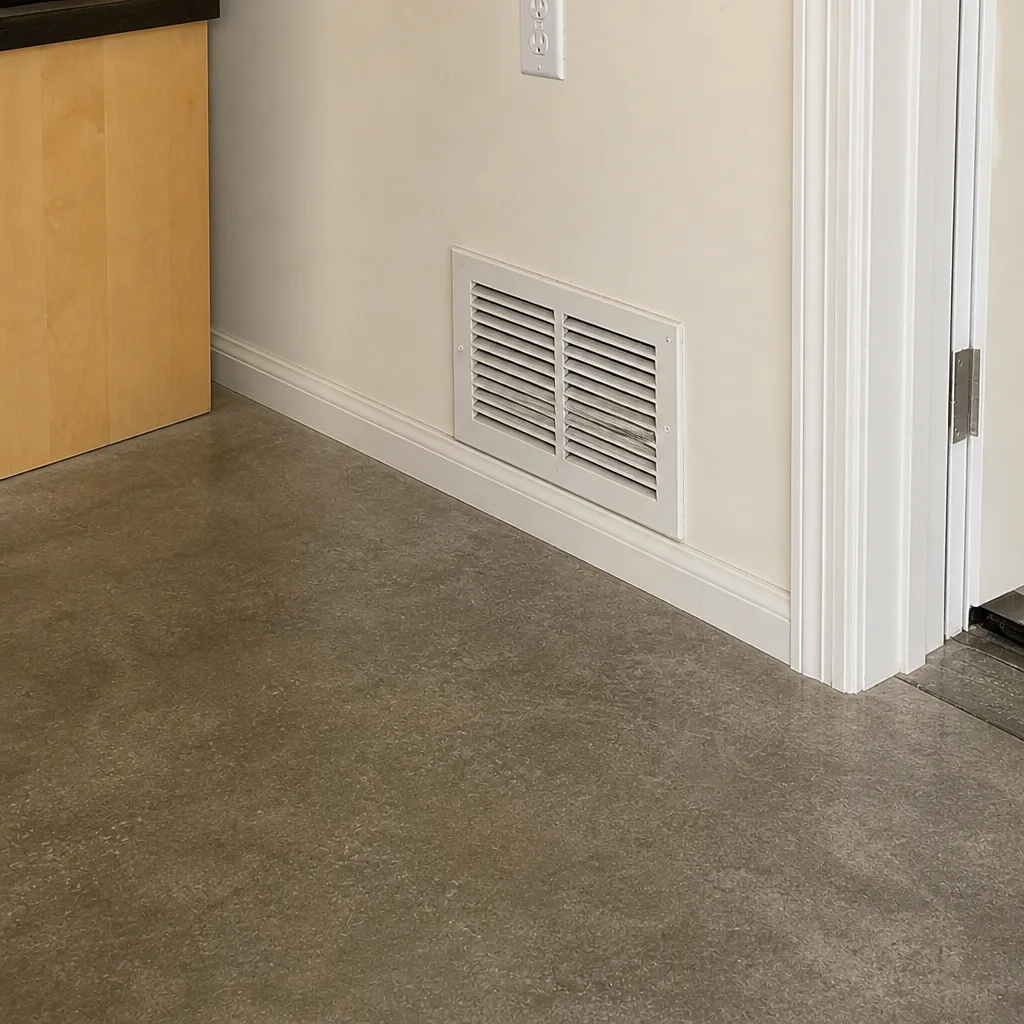 After
When to Call a Professional
Most of this guide is about timing your cleaning correctly and knowing what you can check yourself. Some situations warrant a call regardless of the calendar. Any of the following means it’s worth getting a professional opinion now rather than waiting for October:
- Visible dust blowing from supply registers within minutes of the system starting
- A musty smell that returns within days of the system starting, or that never fully clears
- A room that’s consistently colder than the rest of the house during heating season
- Water staining, soft drywall, or condensation on supply boots or registers
- A dryer that takes noticeably longer to dry loads than it used to, or a dryer vent that hasn’t been inspected
- Heavy visible smoke-period dust buildup in a home with allergy-sensitive occupants
Duct Cleaning Renton offers free estimates in Renton – call (866) 942-6902. Our technicians have up to 12 years of experience, and we work with homes across Renton. We’re clear about what your system needs and what it doesn’t. We answer 24/7. Fast dispatch from 7am to 7pm.
Frequently Asked Questions
Prices depend on the size of your home and how many duct runs the system has, but a whole-system cleaning in Renton is typically a few hundred dollars, and the written estimate you get before work starts sets the final price. We don’t quote per-vent, because the count of vents rarely reflects how much work is actually involved. Call (866) 942-6902 for an exact quote; estimates are free.
Late September through October is the best window in Renton. It’s after smoke season has ended, before the heating system runs hard, and before the wet season starts. If your home went through a heavy smoke summer, an extra cleaning outside your normal cycle is worth considering.
The cheapest quotes are usually a teaser price that turns into a bigger invoice once the technician is on site, typically via per-vent pricing or add-ons. Ask for one flat price per system, agreed in writing before work starts, and ask for before-and-after photos of your own ducts. If a quote can’t give you those two things, it’s worth getting a second one. Call (866) 942-6902 for a free estimate that’s a real number.
You should see before-and-after photos of your own ducts, not a generic portfolio. You should also see containment filtration in use during the cleaning, and you should be walked through what was found and what was cleaned. Our team uses Abatement Technologies air filtration on site, which contains dislodged material rather than letting it recirculate. Ask any provider how they handle containment before you book.
For most Renton homes, every 12 to 18 months is a reasonable baseline, with an extra cleaning after an unusually heavy smoke summer. Homes with allergy-sensitive occupants or pets tend toward the 12-month end. Homes with premium Honeywell or Aprilaire filtration may extend further, but filtration doesn’t replace a full cleaning; the two work together.
Yes, cleaning removes the particulate that settled on duct walls during smoke events. That material needs mechanical agitation to dislodge; a filter change alone won’t do it. If your home ran the HVAC through weeks of smoke with windows closed, the system acted as your whole-house air handler and collected accordingly. Call (866) 942-6902 for a free estimate if your filter clogged unusually fast this season.
The Bottom Line
Renton’s year doesn’t have four equal seasons for duct systems. It has two high-load periods (late-summer wildfire smoke and fall heating startup) and two maintenance windows (spring inspection and the January-February mid-winter check). The single most valuable timing decision you can make is cleaning in late September or October, before the system starts running hard for the heating season. Add a spring inspection, a mid-winter check, and a dryer vent cleaning on its own calendar, and you have a plan that actually fits how your home runs.
If you’d like a straight answer on what your system needs and when, call (866) 942-6902 for a free estimate. We work with homes across Renton on duct cleaning, dryer vent cleaning, and duct repair, using professional-grade Rotobrush and Nikro equipment and Abatement Technologies air filtration on every job. We answer 24/7. Fast dispatch from 7am to 7pm, Sunday through Friday.
Written by the team at Duct Cleaning Renton.