
Last updated November 15, 2026
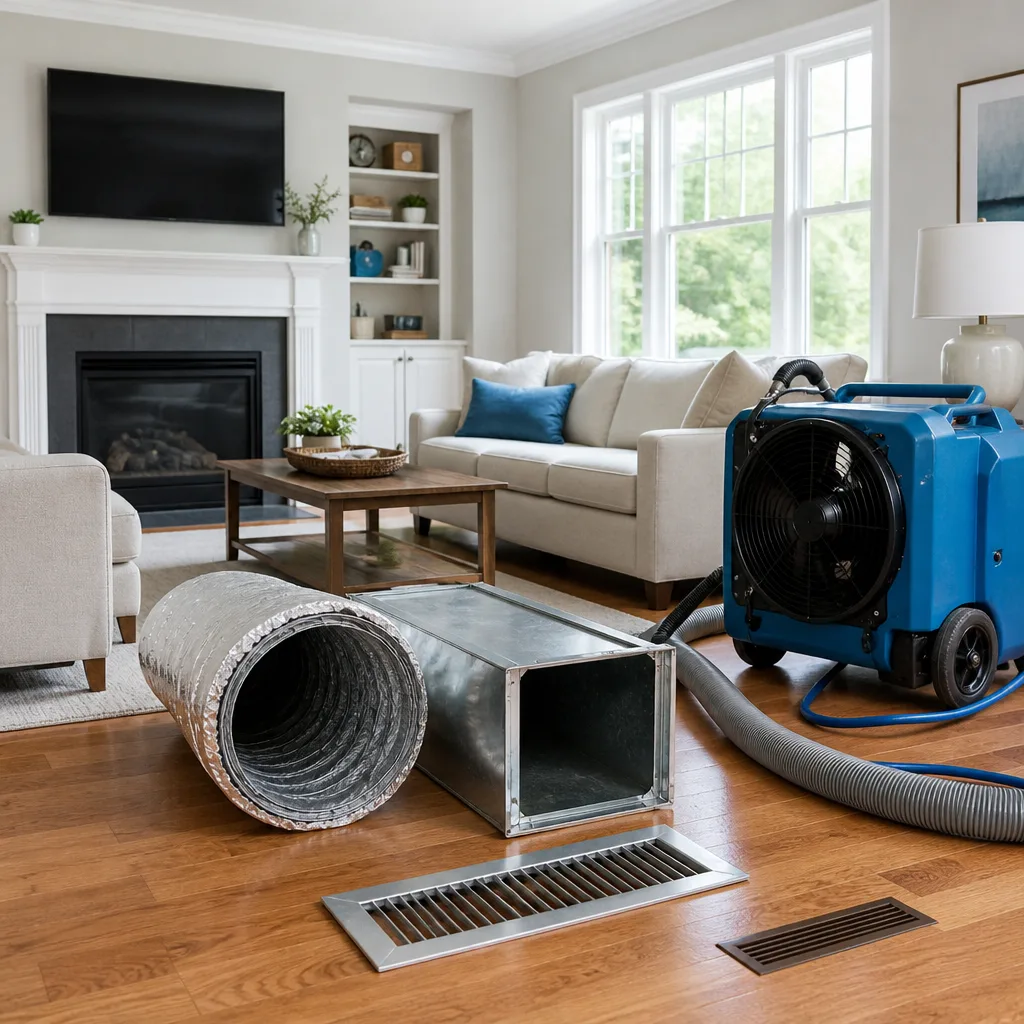 Whole-home duct cleaning
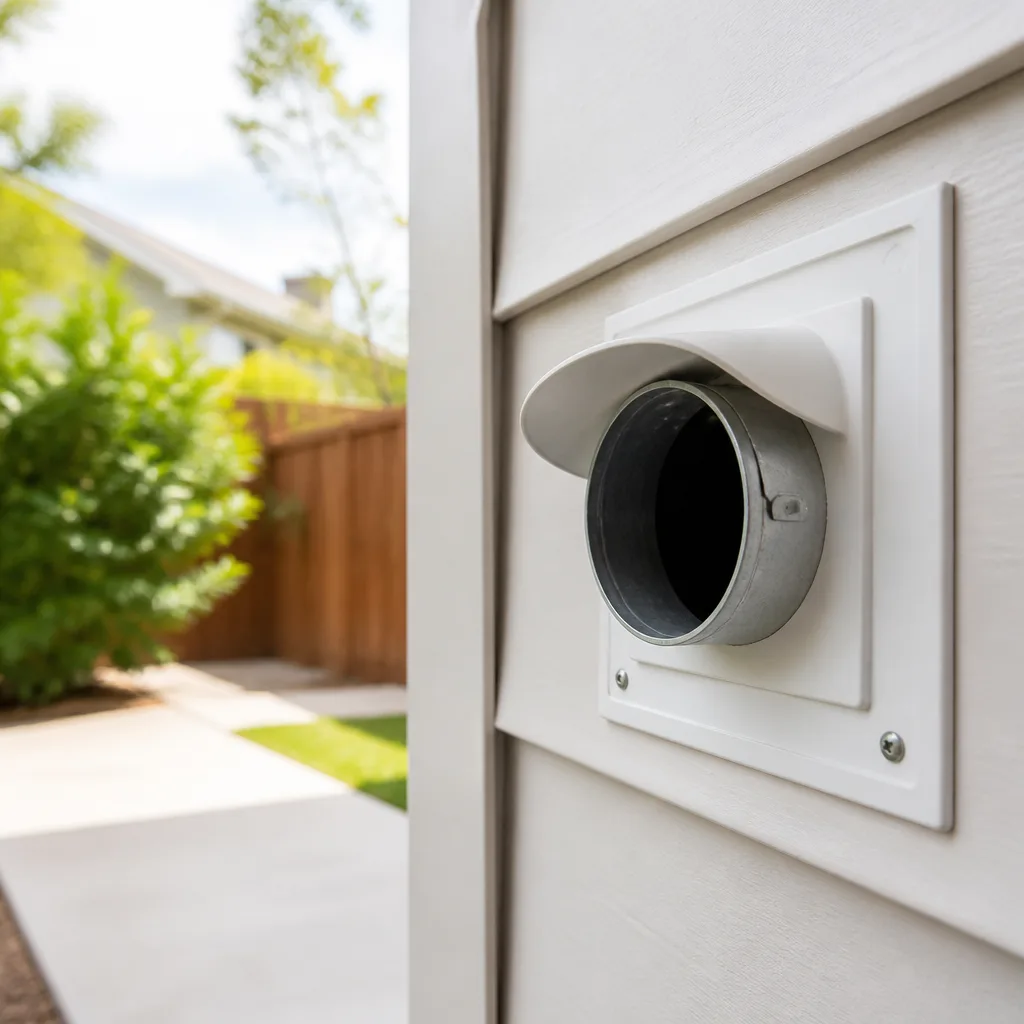 Dryer vent cleaning
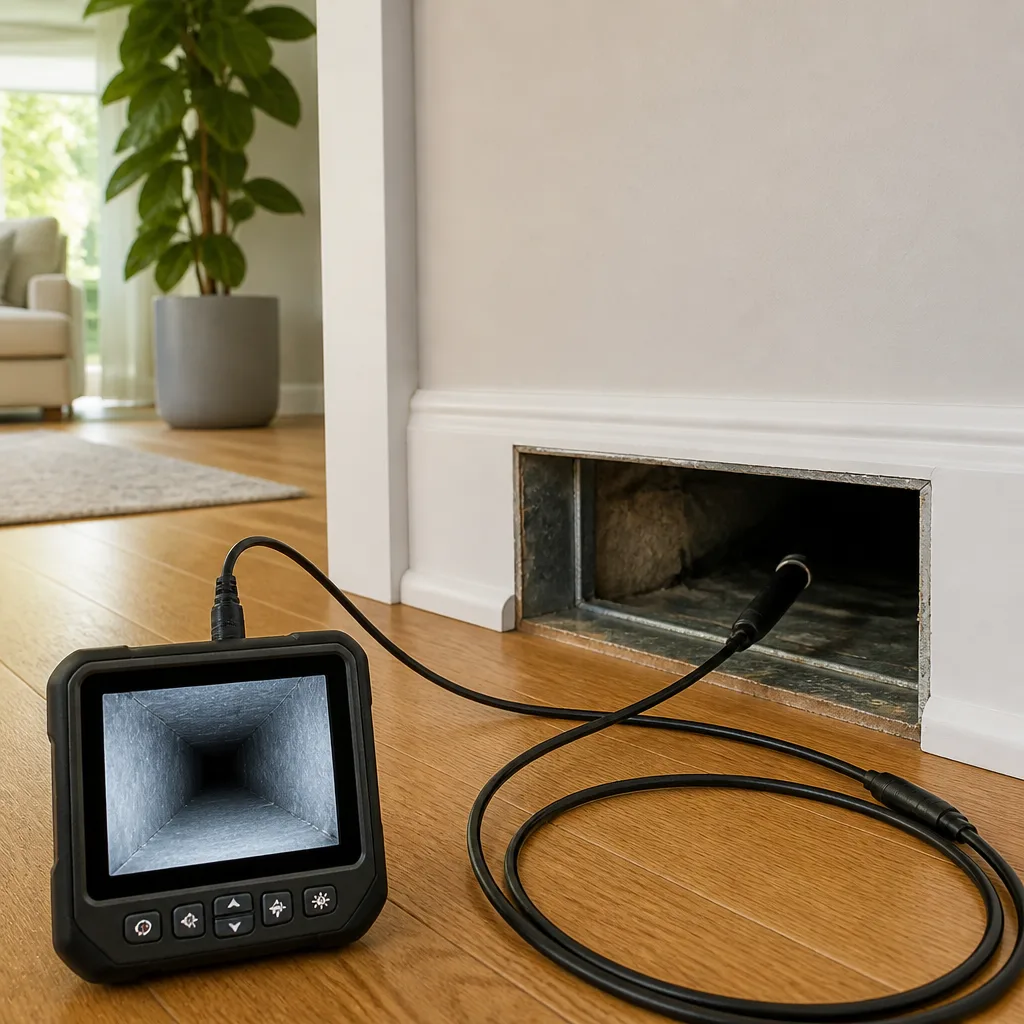 Camera inspection
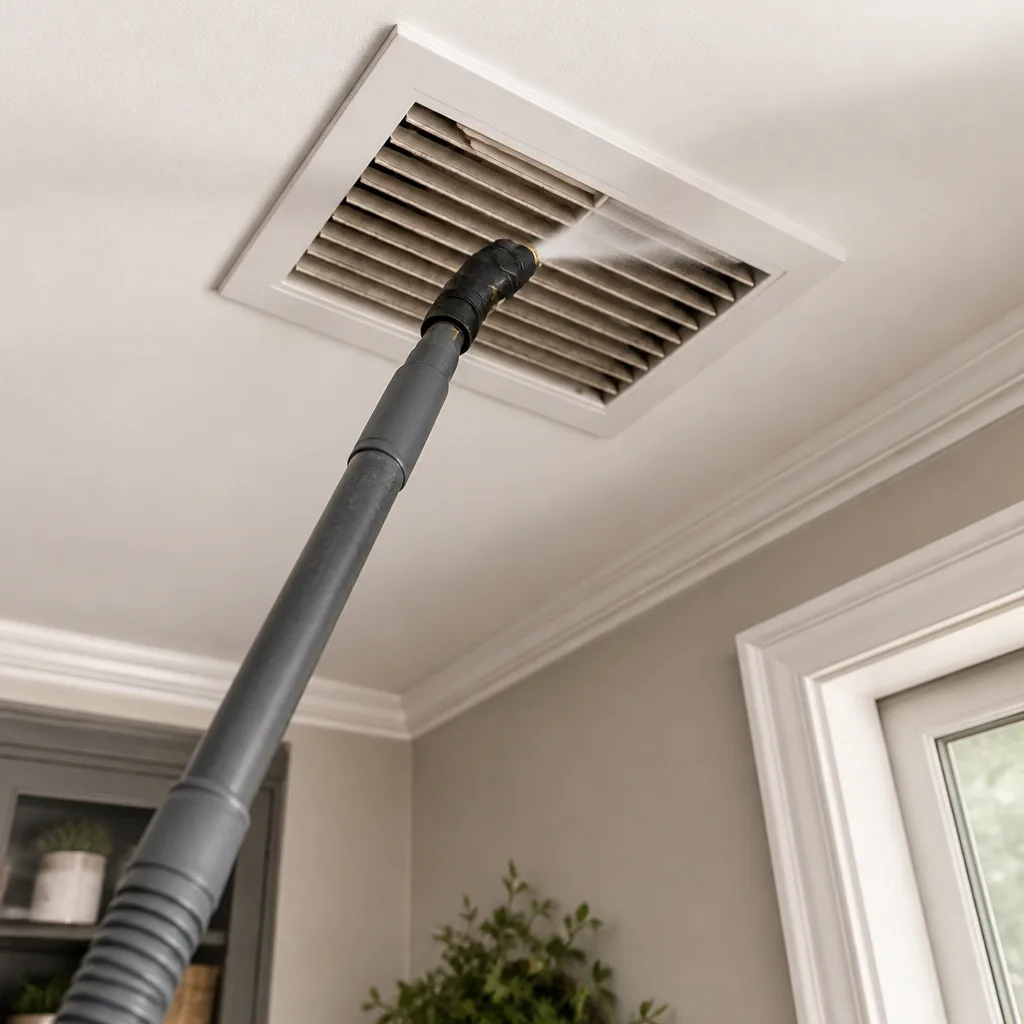 Sanitizing & deodorizing
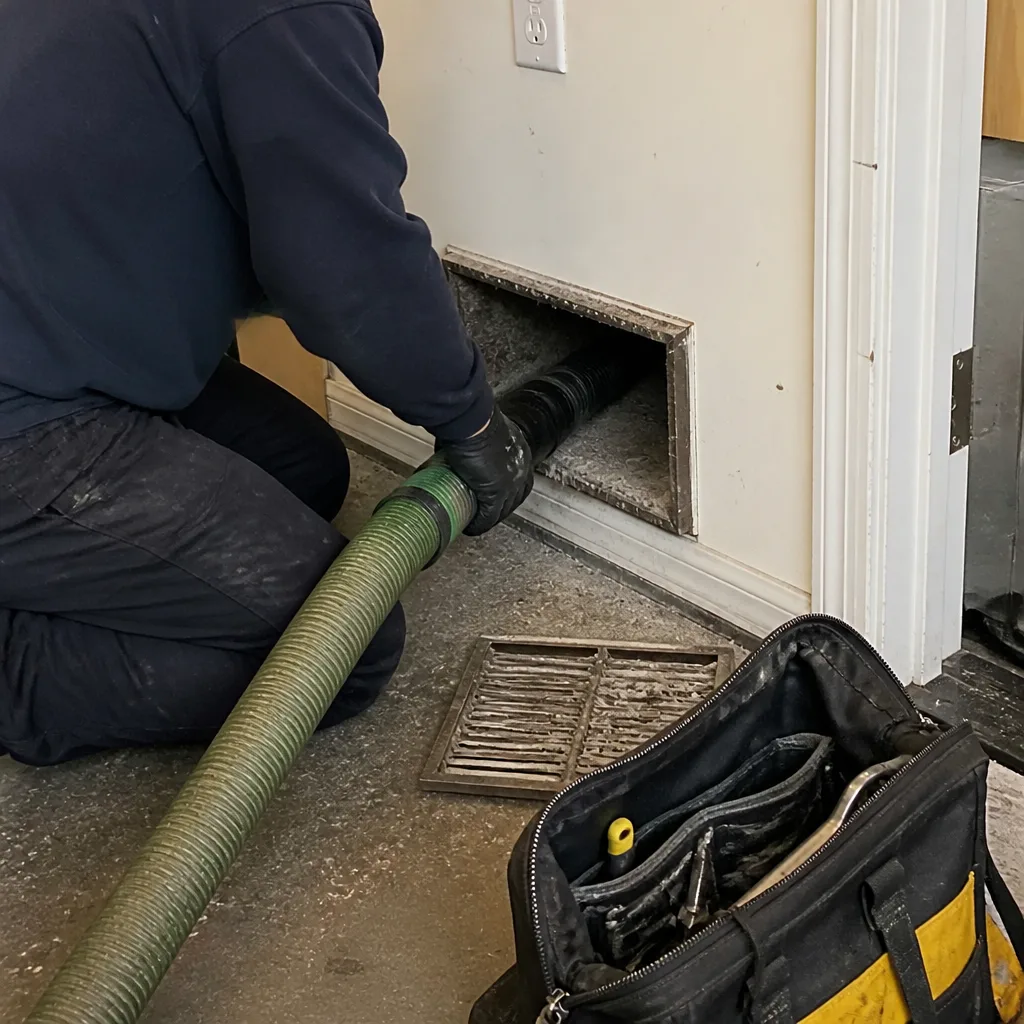
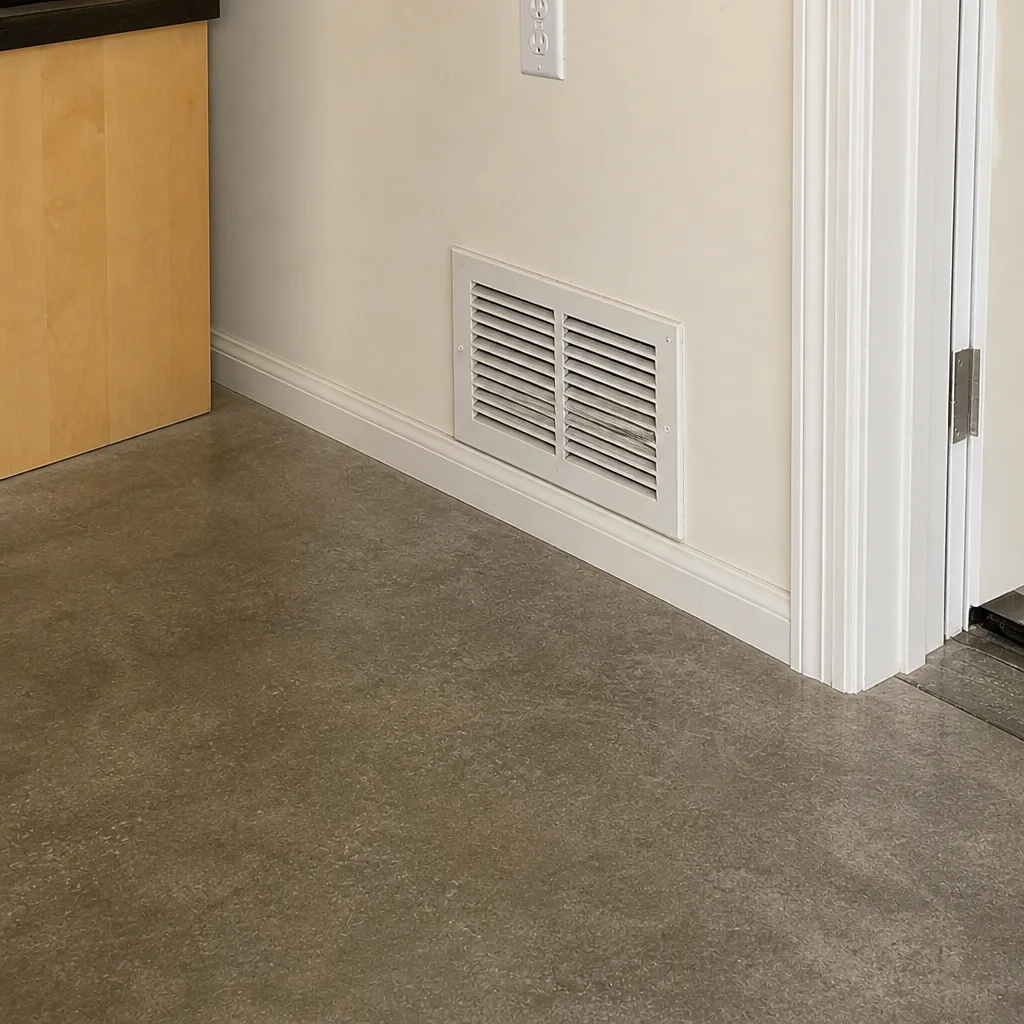
Whole-system duct and dryer vent check with before-and-after photos - you see exactly what came out of your vents
That "$99 whole-house special" is a bait ad - the real number appears once they are in your hallway, or the "clean" is a shop-vac at the register. We photograph the inside of your ducts before and after instead.
Air Duct Cleaning Emergency Preparedness Guide for Renton Homes
Most homeowners think of their ducts as passive metal hidden behind drywall, something that only matters when the furnace quits. It’s the opposite in an emergency. Your duct system is the single fastest path for smoke, water, and contaminants to reach every room in the house at once. During the August 2023 wildfire smoke events, plenty of Renton homeowners ran their HVAC systems on recirculate and helped push fine particulate into bedrooms, closets, and crawl spaces the smoke never should have reached. The system worked exactly as designed. That was the problem. This guide gives you the shutdown sequence, the filter specs, and the response protocols to have ready long before you need them, so a bad week doesn’t turn into a bad season.
Quick Answer
Emergency duct preparedness for a Renton home comes down to three moves: know where your air handler shutoff is and how to stop airflow fast, keep the right filter sizes and a MERV-13 minimum staged ahead of time, and never run the HVAC system after water or rodent contamination until the ductwork has been professionally assessed and cleaned. Smoke events, flooding, and rodents each demand a different response sequence, and getting the order wrong is what turns a manageable problem into a remediation project.
Styles & brands we work with
- Whole-home duct cleaning
- Dryer vent cleaning
- Camera inspection
- Sanitizing & deodorizing
Table of Contents
- Why Your Ducts Become the Emergency
- Wildfire Smoke Protocol: Recirculate, Shut Down, or Neither
- Flooding and Water in the Duct System
- Rodent Contamination: The Sequence That Matters
- Pre-Event Preparedness: What to Set Up Now
- What to Tell an Emergency Contractor on the First Call
- Common Mistakes to Avoid
- When to Call a Professional
Why Your Ducts Become the Emergency
A forced-air system moves a large volume of air through your home every hour. That’s the whole point of it. But it means any contaminant that gets into the return side gets distributed to every supply register within minutes. Smoke, flood moisture, rodent droppings, and the fine dust they leave behind all travel the same way. The duct network is the distribution channel, and the air handler is the pump.
This matters more in Renton than in a lot of places because of what surrounds the city. We sit between the Cascade foothills and the lowlands, in a basin that holds cool air and traps smoke during regional wildfire events. The summer and early fall smoke seasons have become a recurring feature here, not a freak occurrence. Renton homes also deal with a wet season that runs long, which means crawl spaces and lower-level duct boots see moisture far more often than homeowners expect.
Here’s the part most people miss. Ductwork is not a sealed, static assembly. It’s a network with joints, flex connections, boots at every register, and a return path that often runs through a crawl space or garage ceiling. Those seams leak a small percentage of airflow by design. During an emergency, that leakage works in reverse. Contaminants get pulled in through the same gaps that normally leak conditioned air out.
The good news is that the response to each type of event follows a predictable sequence. If you know the order, you can protect the system in the first thirty minutes and give a professional the cleanest possible starting point. For a baseline understanding of how the system is cleaned and why the method matters, start with our duct cleaning in Renton overview, then come back to the emergency protocols below.
Wildfire Smoke Protocol: Recirculate, Shut Down, or Neither
Wildfire smoke is the most common emergency duct event in Renton, and it’s the one homeowners get backwards most often. The instinct is to shut the windows and turn the HVAC on to “filter the air.” Depending on the filter and the outdoor air intake, that can make things worse, not better.
The Thirty-Second Sequence
- Close every window and exterior door. Do this before touching the thermostat. Smoke enters through gaps faster than most people realize.
- Check your filter first. If it’s below MERV-13 or visibly loaded with dust, do not run the system. A clogged or low-rated filter lets smoke particles pass through and recirculate.
- Switch the thermostat to fan-only or recirculate, not “auto with outdoor air.” Recirculate mode keeps the system working on indoor air only. If your system has a fresh air intake or economizer, shut that intake. On a Honeywell or Aprilaire controller, the setting is usually labeled clearly. If you’re not sure how yours is configured, stop and call.
- If you cannot confirm recirculate, shut the system off entirely. A running system pulling smoke-laden outdoor air through the ducts distributes that smoke into every room. Off is safer than wrong.
- Seal the gap under exterior doors with a damp towel and keep interior doors open so the system isn’t fighting pressure differences.
- Run a stand-alone HEPA purifier in the room where you spend the most time while the smoke event is active. The duct system is not a substitute for a dedicated purifier during heavy smoke.
What Filter to Have Staged
Keep a MERV-13 filter on hand in your exact size before smoke season. MERV-13 is the practical minimum for capturing fine wildfire particulate without choking airflow in most residential systems. Higher ratings can strain a system that wasn’t designed for the pressure drop, so don’t jump to the highest number on the shelf without checking what your air handler can handle. If your home runs a Honeywell or Aprilaire whole-home air quality system, the filter spec is different from a standard slot filter, and the wrong size will bypass air around the edges. We’re trained on both brands and can tell you what your system actually takes.
After a significant smoke event, the ducts themselves hold fine ash and particulate. That material sits in the joints and on the duct walls and gets re-released every time the system cycles. That’s when professional cleaning with containment equipment matters. Our technicians use Abatement Technologies air filtration on-site so dislodged particulate is captured rather than blown into your living room. Learn more about our air duct cleaning process if you want to understand the equipment side.
Flooding and Water in the Duct System
Water in a duct system is a clock problem. Once moisture reaches ductwork, mold colonization becomes likely within roughly 48 hours if the material stays wet. The clock starts the moment water touches the duct lining, insulation, or a duct boot, not when you first notice a damp smell. Anything you do in that window matters a great deal.
The 48-Hour Response
- Shut off the HVAC system immediately. Do not run it to “dry things out.” A running system pushes humid air through the whole duct network and spreads moisture into sections that were dry.
- Cut power at the air handler shutoff, not just the thermostat. Thermostats can be overridden or reset by a power blip.
- Document everything with photos before you move anything. Water lines on ductwork, damp insulation, and the extent of the flooded area all matter for both remediation and any insurance claim.
- Remove standing water and start structural drying in the rooms, not the ducts. Fans and dehumidifiers belong in the living space first. Duct interior drying is a separate job that needs the system assessed first.
- Do not run the system again until a professional has inspected the ductwork and confirmed it’s dry and clean. This is the step people skip, and it’s the one that leads to a mold problem six weeks later.
Renton’s wet season and the older housing stock in neighborhoods like Renton Highlands and the Renton Hill area mean lower-level duct boots and crawl space runs see water more often than the rest of the system. Porous duct board and flex duct that has been wet usually cannot be cleaned back to a safe condition and needs to be replaced rather than dried. Metal ductwork can often be dried, cleaned, and disinfected. A professional assessment in the first 48 hours tells you which situation you have. It also matters if your home has an Aprilaire humidifier tied into the duct system, because water intrusion can travel back through that connection.
We repair ducts, not just clean them. If a flooded section has to come out, that’s part of the same job rather than a separate contractor. If water has reached the ductwork in your home, call (866) 942-6902. We answer 24/7, with fast dispatch from 7am to 7pm.
Rodent Contamination: The Sequence That Matters
Rodent activity in ductwork is more common in Renton than most homeowners want to think about, especially in homes near greenbelts and older crawl spaces. The reason it’s an emergency is not the smell. It’s the contamination. Rodent urine, droppings, and nesting material inside a duct system carry real health risk, and running the HVAC before it’s remediated distributes that contamination to every register in the house.
Do Not Do This First
Do not turn the system on to “check if it’s really that bad.” Do not run a shop vac or a consumer vacuum anywhere near the duct openings. A standard vacuum aerosolizes fine particles and blows them back into the room. This is exactly the wrong result.
The Correct Sequence
- Shut the system off at the air handler. Stop airflow before anything else.
- Seal the affected registers with plastic sheeting and tape to limit migration while you arrange professional remediation.
- Leave the ductwork to a professional. Washington State treats rodent contamination in enclosed spaces as a genuine hazard, and the hantavirus protocol requires containment, appropriate respiratory protection, and HEPA-rated capture rather than dry sweeping or standard vacuuming. This is not a job for a homeowner with a mask and a shop vac.
- Address the entry point as part of the remediation. Cleaning without sealing the gap that let the rodents in is a temporary fix. A duct repair assessment will identify where the system was breached.
- Do not run the system again until cleaning and inspection confirm it’s clear. Get confirmation in writing.
This is where equipment choice actually matters. Our technicians use a Rotobrush rotary brush system for mechanical agitation of duct walls and Nikro HEPA-rated vacuum equipment for capture. Those tools are built for duct work, not repurposed consumer vacuums, and they’re the difference between removing contamination and moving it around. That’s the standard we bring to every job in Renton.
If you suspect rodents in your system, call (866) 942-6902. The estimate is free and the price is set per job by the written estimate before any work begins.
Pre-Event Preparedness: What to Set Up Now
The best time to prepare for a duct emergency is a quiet Saturday afternoon in March, not the night the smoke rolls in. Setting these items up in advance takes about an hour and removes most of the panic from an actual event.
Document Your Duct System
Walk your home with a phone and photograph every register, both supply and return. Note the size and location of each one. Photograph the air handler and the visible ductwork around it. If your home has a crawl space or attic run, photograph what’s visible at the access point. Store these photos in a cloud folder you can pull up from anywhere. When you call a professional during an emergency, clear photos let them assess the scope immediately.
Know Your Air Handler Shutoff
Find the dedicated switch or breaker that cuts power to your air handler and furnace, and label it clearly. It’s usually a switch on or near the unit itself, separate from the main panel. Test that you know exactly how to kill power to the system. In a smoke or water event, the ability to stop airflow in ten seconds is the most useful skill you can have.
Stage the Right Filters
Buy two MERV-13 filters in your exact size before smoke season. Write the size and the replacement date on the edge of each one. Know whether your system uses a standard slot filter, a media cabinet, or a whole-home air quality system from Honeywell or Aprilaire, because the replacement method differs. If your filter housing is unusual, photograph the label inside the door so you can order the right one without guessing.
Keep a Small Response Kit
- Two MERV-13 filters (correct size)
- Plastic sheeting and painter’s tape for sealing registers if needed
- A flashlight and a pair of work gloves
- Your duct documentation photos in a shared folder
- A stand-alone HEPA room purifier for smoke events
Homes running a whole-home Honeywell or Aprilaire system benefit from an annual filter and equipment check as part of the pre-season routine. If you’re not sure what your system needs, that’s an easy question for us to answer. Reach the team through our Renton service page or call directly.
What to Tell an Emergency Contractor on the First Call
The quality of your first call determines how quickly a contractor can actually assess damage. Coming into an emergency job prepared cuts the back-and-forth significantly, and it helps a professional give you an honest scope instead of guessing.
Have These Details Ready
- The event and its timeline. What happened, when it started, and how long the system ran afterward. “Smoke reached the house Thursday evening, and we ran the fan on recirculate until Friday morning” is the answer that lets a contractor calibrate.
- System type and brand. Note whether your system is a standard HVAC setup or a whole-home air quality system from Honeywell or Aprilaire, and where the air handler sits.
- Duct material and layout. Rigid metal, flex, or duct board, and whether any runs travel through a crawl space or attic.
- What you’ve already done. Tell them if you shut the system off, sealed registers, started drying, or ran the system after the event. This is not a judgment call; it’s how the contractor knows the current state.
- Water line or contamination extent, if applicable. How high the water reached, what areas are wet, and whether visible residue or droppings are present.
- Insurance status. Whether you’ve opened a claim and what documentation you already have. We can work with your insurer on the documentation side.
The detail that catches homeowners off guard is how much the timeline affects the recommendation. A smoke event that ended two hours ago is a cleaning job. A flood that reached the duct boots five days ago may be a replacement job. If you can give an accurate event timeline, the contractor can plan the first visit accurately instead of discovering the scope on arrival.
Common Mistakes to Avoid
- Running the HVAC system to “filter out” smoke. A system on fresh-air or auto mode pulls outdoor smoke into the ducts and distributes it into every room. Switch to recirculate only if the filter is MERV-13 or higher, and shut the system off if you can’t confirm the setting.
- Using a shop vac or consumer vacuum on suspected rodent contamination. A standard vacuum aerosolizes fine particles and blows them back into the room. Rodent contamination needs HEPA-rated capture and containment, not a home vacuum.
- Waiting past the 48-hour window on flood water. Mold colonization in ductwork becomes likely within roughly two days of moisture contact. Calling on day five turns a cleaning job into a replacement job.
- Skipping the entry-point repair after rodent remediation. Cleaning the ducts without sealing the breach that let rodents in is a fix that won’t hold. This is why we repair ducts, not just clean them.
- Buying the highest-MERV filter available without checking system compatibility. MERV-13 is the right minimum for smoke, but jumping to a much higher rating can choke airflow in a system that wasn’t designed for the pressure drop.
- Assuming a suspiciously cheap duct cleaning quote is a good deal. The duct cleaning industry has a well-documented bait-and-switch reputation. A low teaser price that grows once the technician is on site is a warning sign. We quote one flat price per system, agreed before work starts, with before-and-after photos of your own ducts.
- Letting a smoke event pass without follow-up cleaning. After heavy wildfire smoke, fine ash settles in duct joints and re-releases with every cycle. If your system ran during a major smoke event, book a post-event cleaning before the next heating season.
When to Call a Professional
Call a professional when the event is one you can’t fully assess from the living room. That means any time water has reached ductwork, any suspected rodent contamination, any heavy smoke event where the system ran, and any situation where you’re not sure whether the insulation and lining have been affected. If you can see visible debris at a register, or smell something persistent after a smoke event, that’s a duct system that needs attention.
We work in Renton and know the local housing, the terrain, and the seasonal patterns. Duct Cleaning Renton offers free estimates in Renton. Call (866) 942-6902. We answer 24/7. Fast dispatch from 7am to 7pm.
See the difference
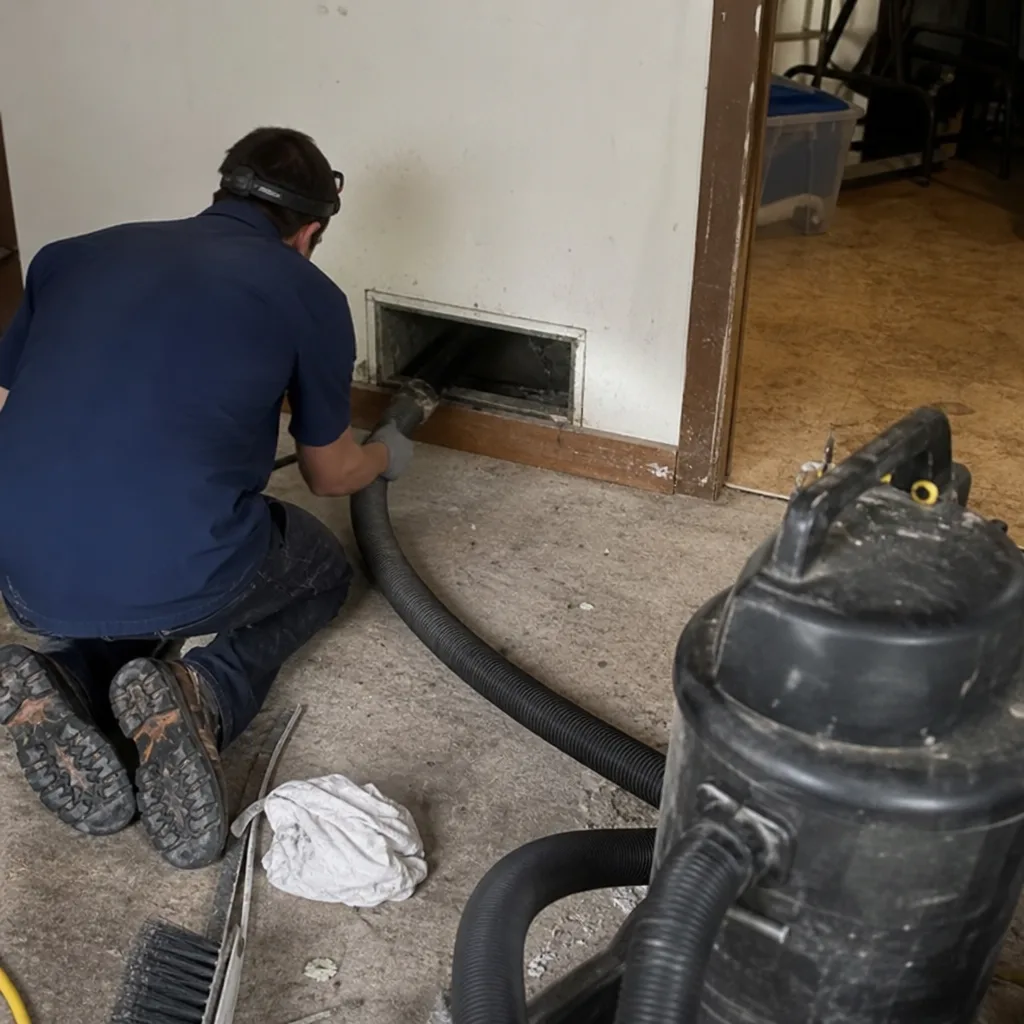 Before
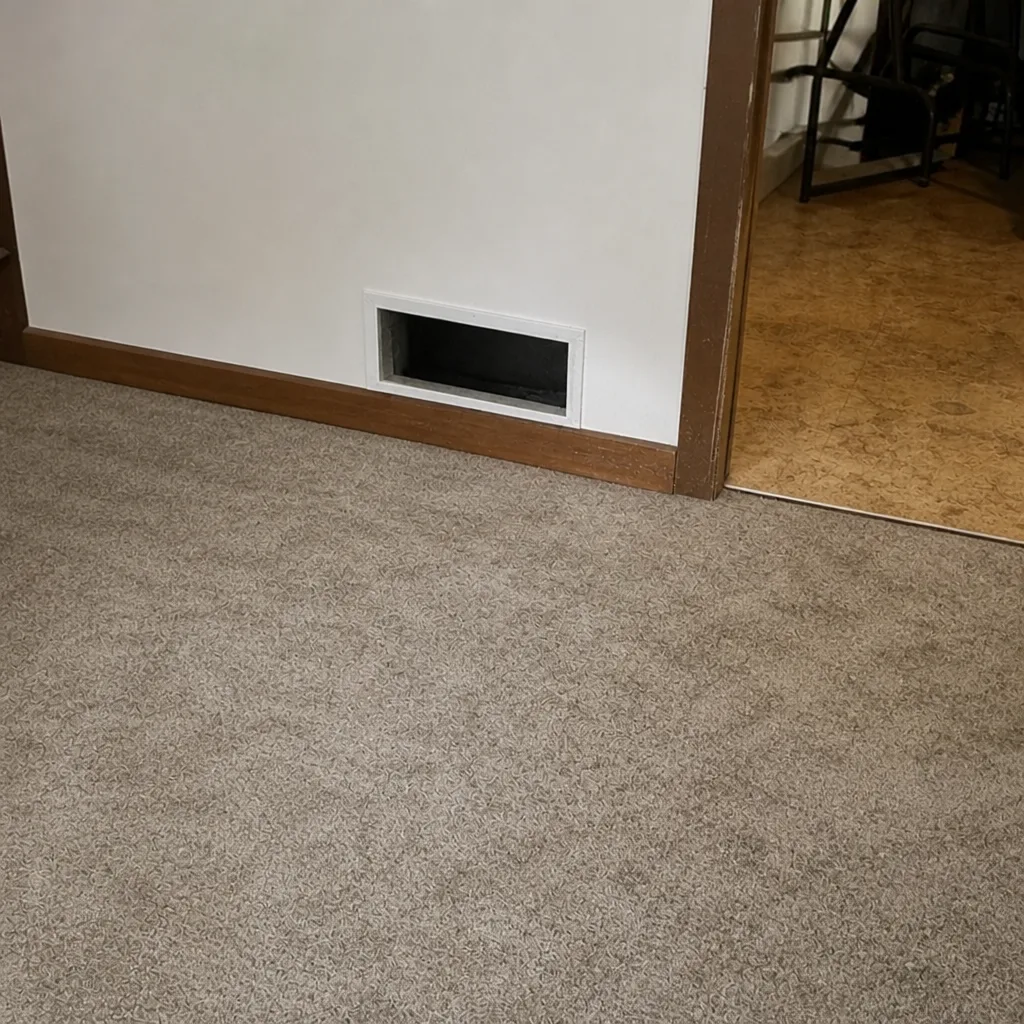 After
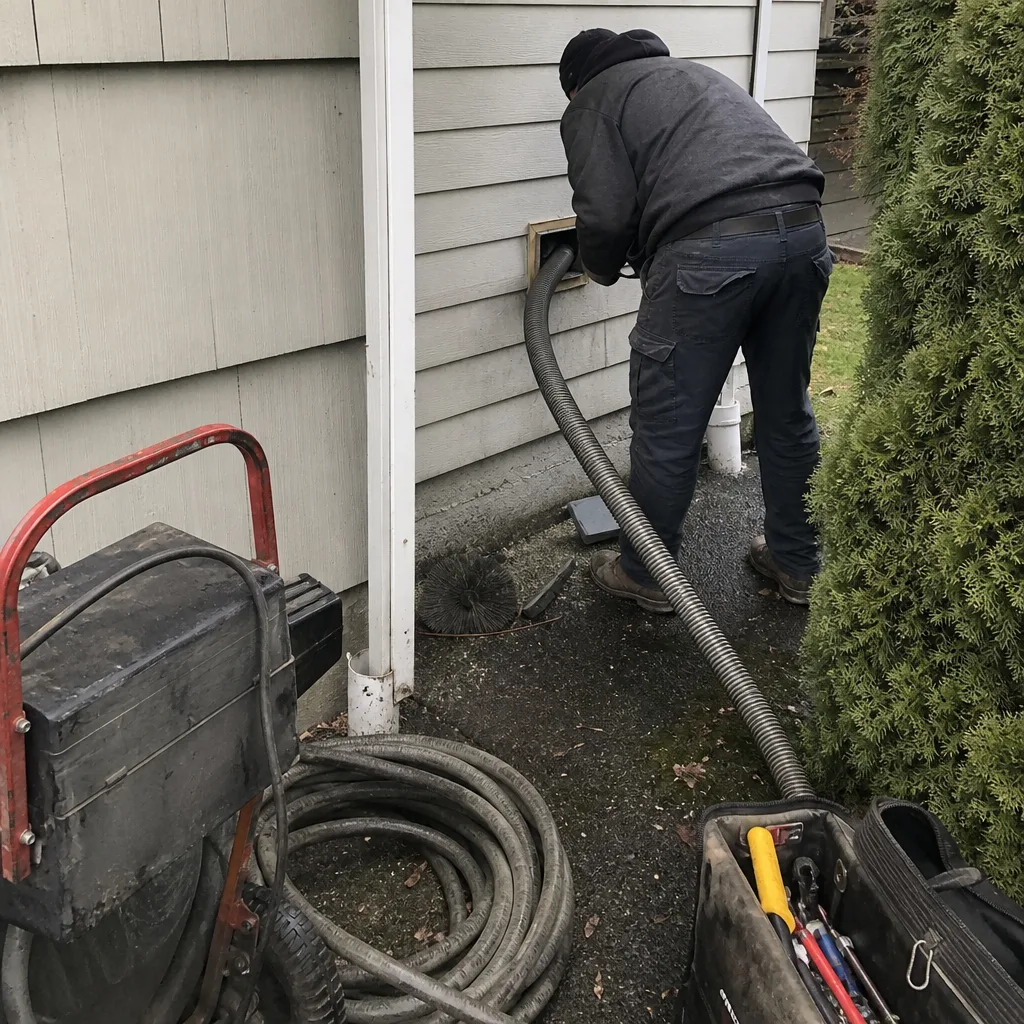 Before
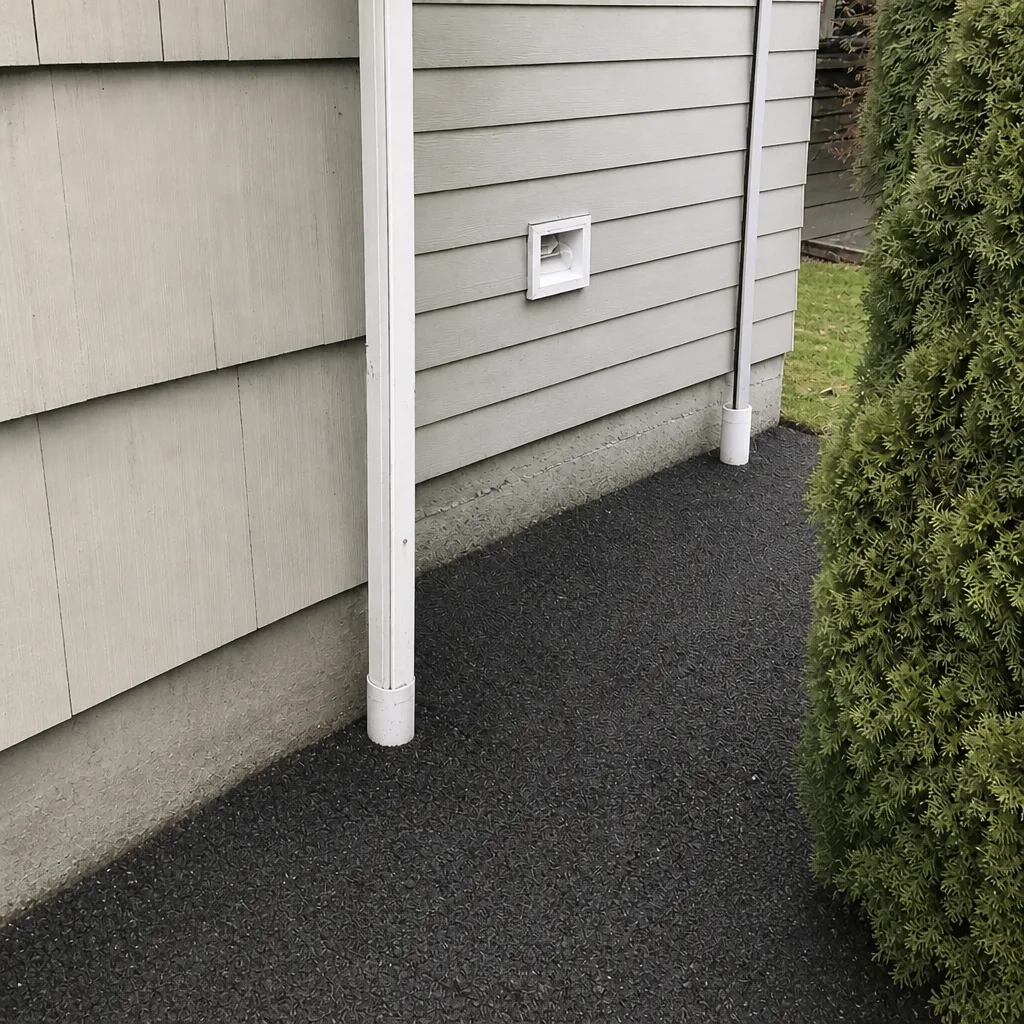 After
 Before
 After
Frequently Asked Questions
You can run it on recirculate only if your filter is MERV-13 or higher and the system is confirmed to be pulling indoor air. If you can’t confirm the recirculate setting, shut the system off entirely. Running on auto or fresh-air mode during smoke pulls outdoor particulate into the ducts and distributes it into every room.
Roughly 48 hours. Mold colonization in ductwork becomes likely within two days of water contact, so the window for drying and assessing is short. Shut the system off at the air handler, document with photos, and call for an assessment immediately. Porous material that has been wet often needs replacement rather than drying.
No. Washington State treats rodent contamination in enclosed spaces as a genuine hazard, and hantavirus protocol requires containment and HEPA-rated capture. Standard vacuuming aerosolizes fine particles and makes the problem worse. Leave it to a professional with the right equipment and protective setup.
MERV-13 is the practical minimum for capturing fine wildfire particulate in most residential systems. Keep two filters in your exact size on hand before smoke season. If your home runs a whole-home Honeywell or Aprilaire system, the replacement method is different from a standard slot filter, so confirm the spec.
A very low quote usually means the work will grow once the technician is on site, or that the equipment is a shop vac rather than professional-grade extraction. We quote one flat price per system, agreed before work starts, with no per-vent pricing and before-and-after photos of your own ducts.
Ask for before-and-after photos of your own ductwork, not generic stock images. A professional job includes photographic documentation of the ducts before cleaning and after. The price is set per job by the written estimate, and the work should match that scope exactly.
Yes, and it’s often overlooked. Lint buildup in a dryer vent is a documented fire risk, and it’s the one duct in your home that most directly affects safety. Regular dryer vent cleaning is a fire-safety service, not an add-on. It’s worth including in your yearly home maintenance routine alongside duct inspections.
It depends on your home and your events. A home with no pets, no allergies, and no smoke events may need it every few years. A home that has been through a smoke event, a rodent issue, or a flood needs it after the event regardless of the calendar. Renton’s smoke seasons make a post-event cleaning more common here.
The Bottom Line
Duct emergencies in Renton follow three patterns: smoke, water, and rodents. Each has a correct response sequence, and the first few moves protect the system before a professional ever arrives. Know your air handler shutoff. Keep a MERV-13 filter staged. Shut the system off rather than run it after water or rodent contamination. Document your duct system now, while it’s quiet. And when the event is bigger than you can assess, call for an estimate that sets one flat price per system before the work starts.
Emergency preparedness isn’t about expecting the worst. It’s about knowing what to do in the thirty seconds that matter most. Call Duct Cleaning Renton at (866) 942-6902 for a free estimate. We answer 24/7, with fast dispatch from 7am to 7pm. Our technicians have up to 12 years of experience, and we work in Renton and the surrounding area.
Written by the team at Duct Cleaning Renton.