
Last updated November 15, 2026
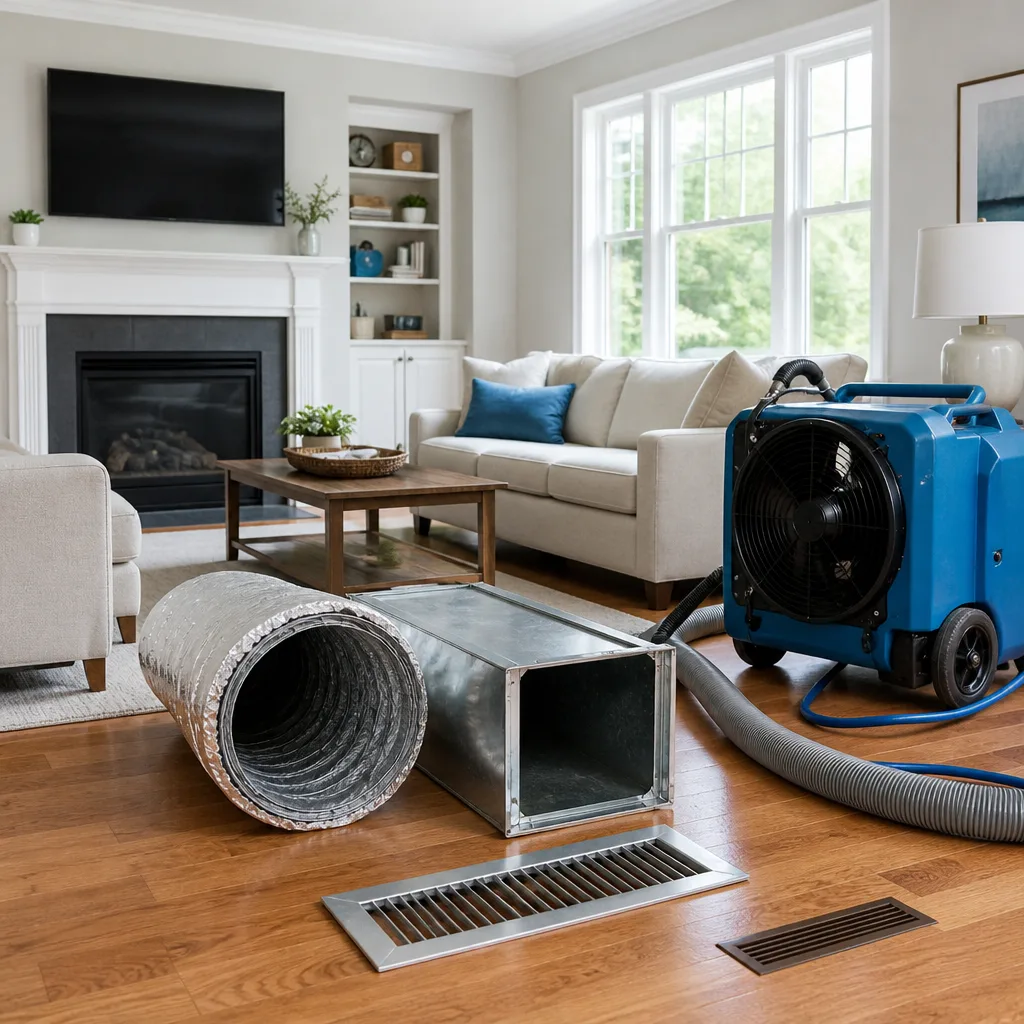 Whole-home duct cleaning
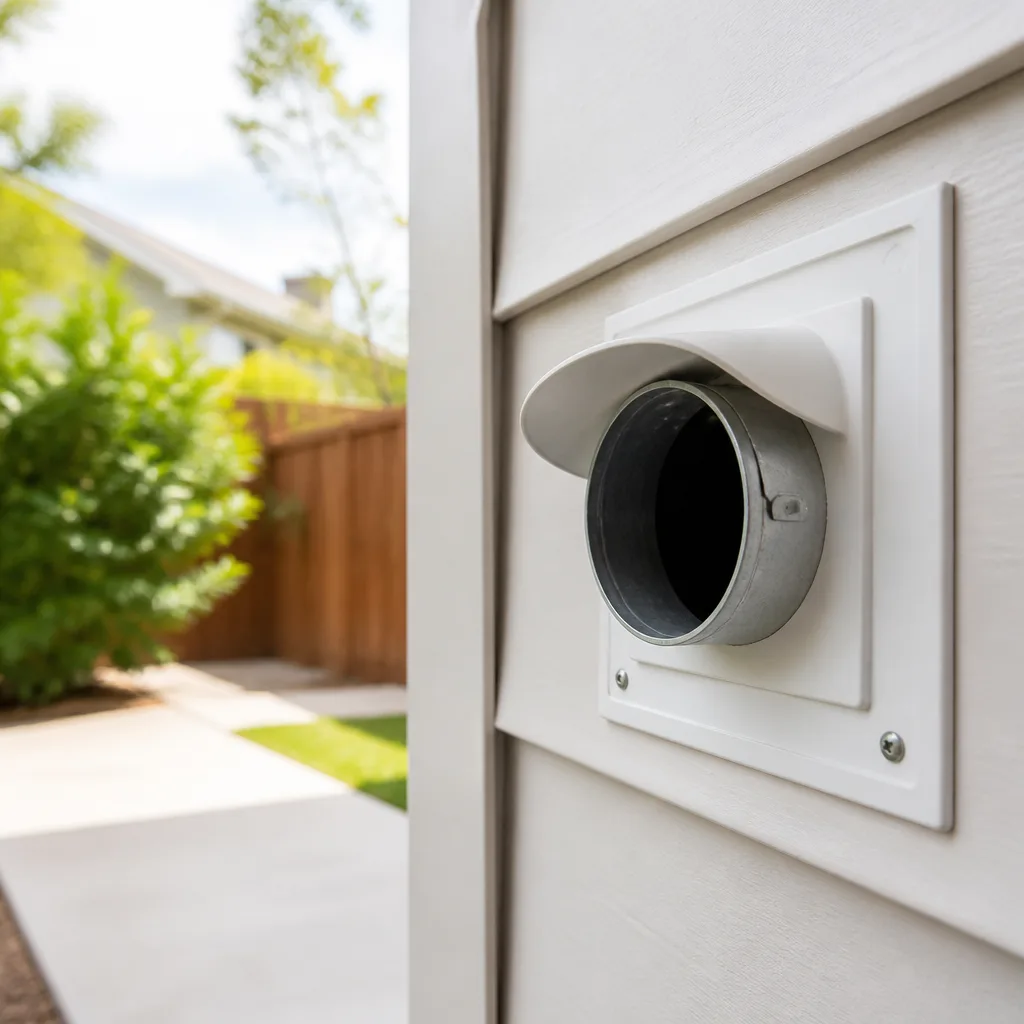 Dryer vent cleaning
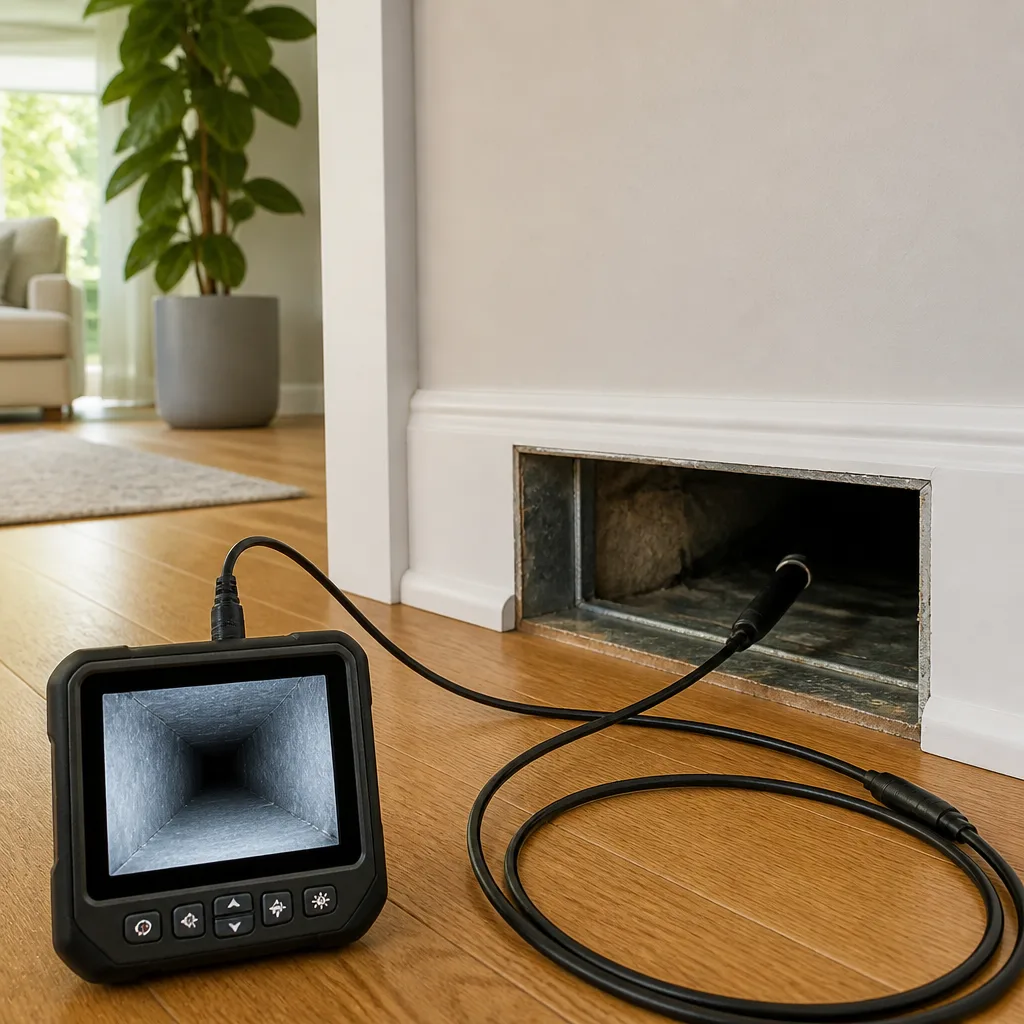 Camera inspection
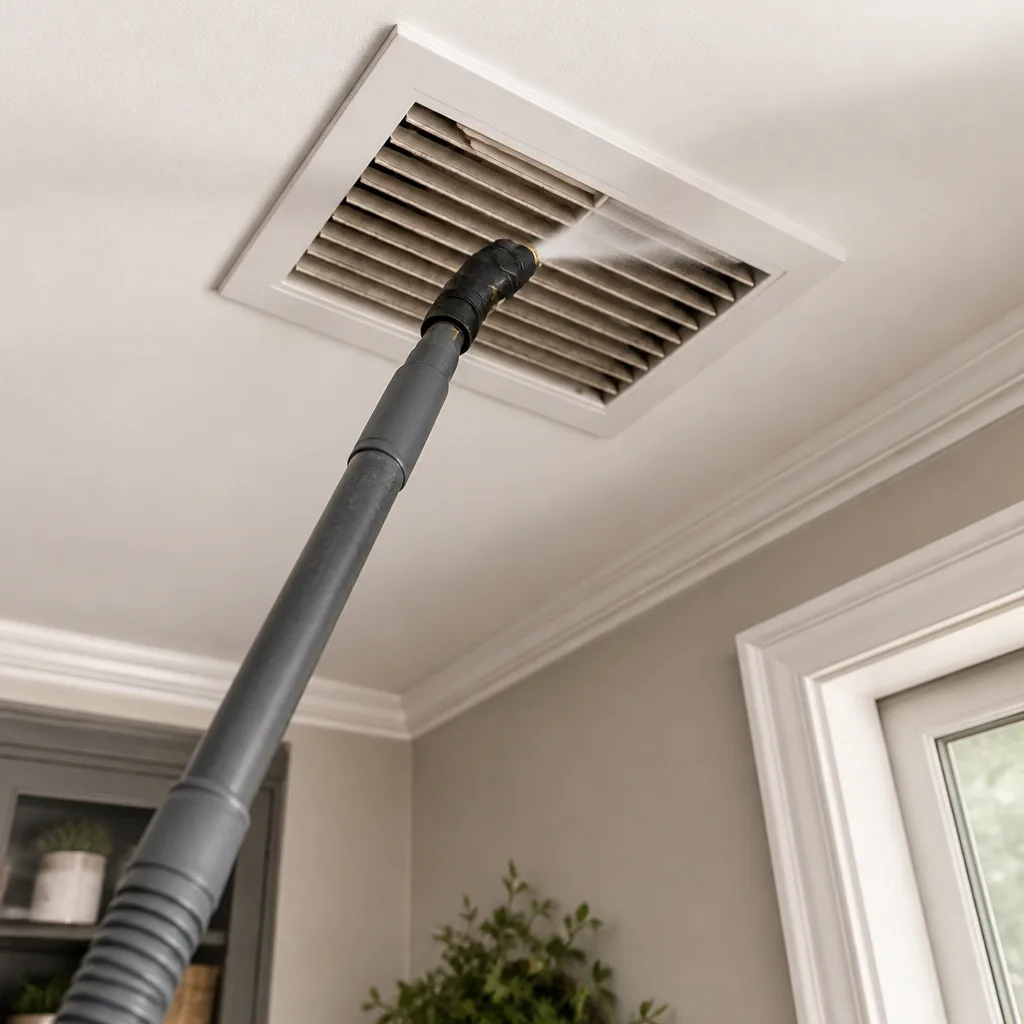 Sanitizing & deodorizing
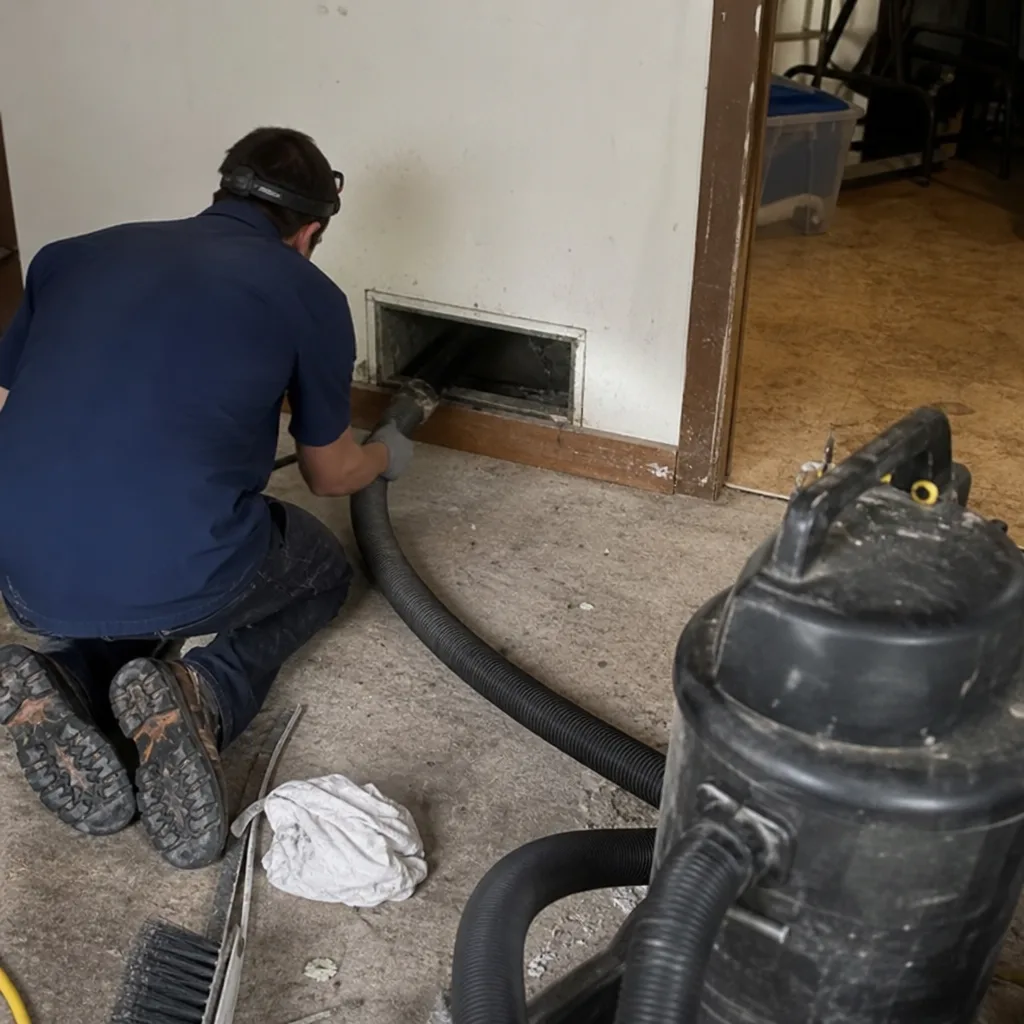
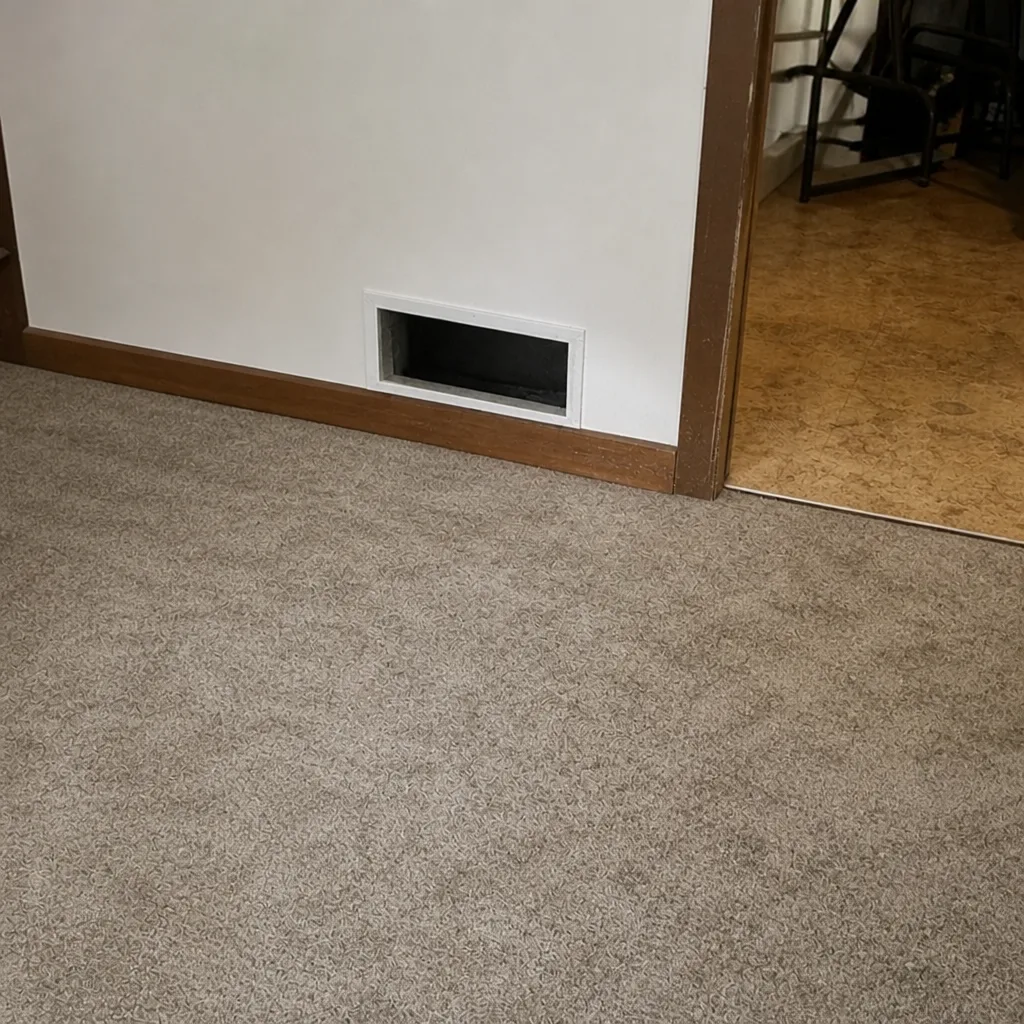
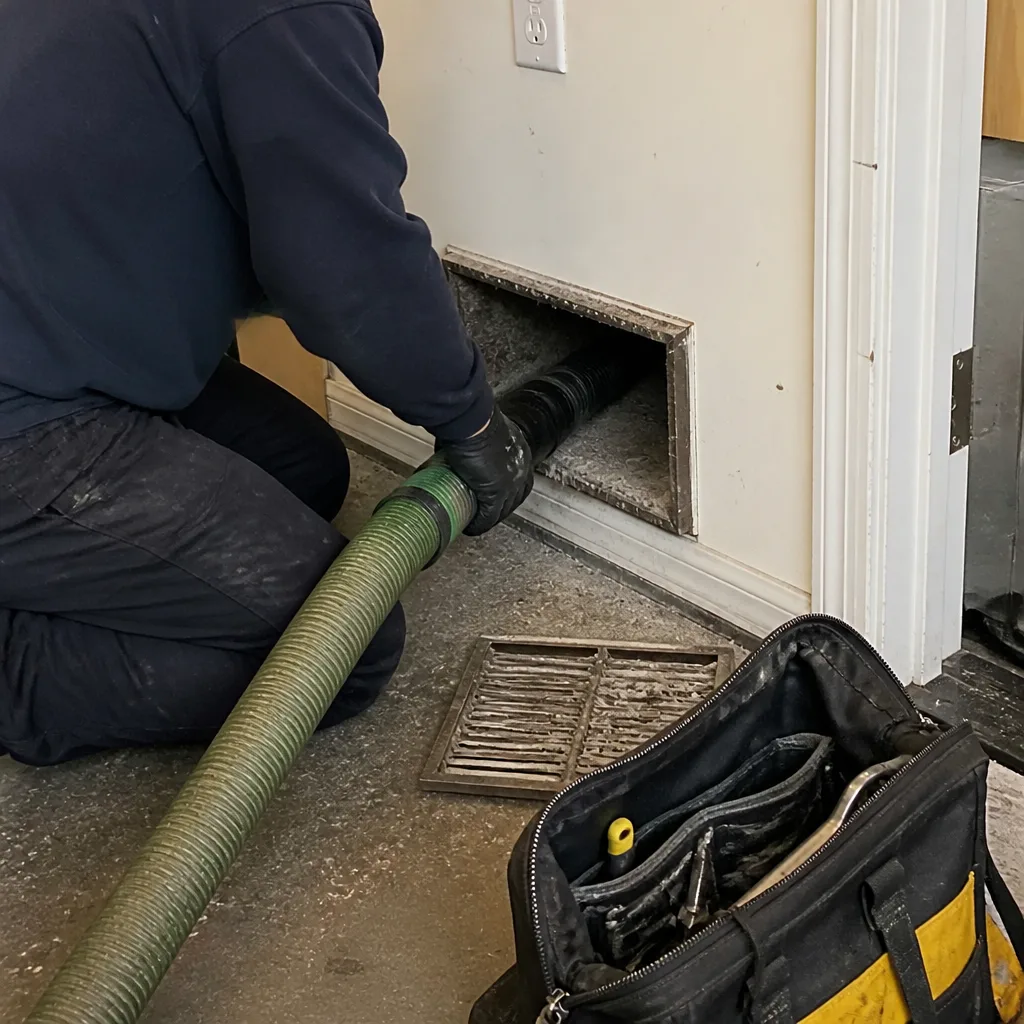
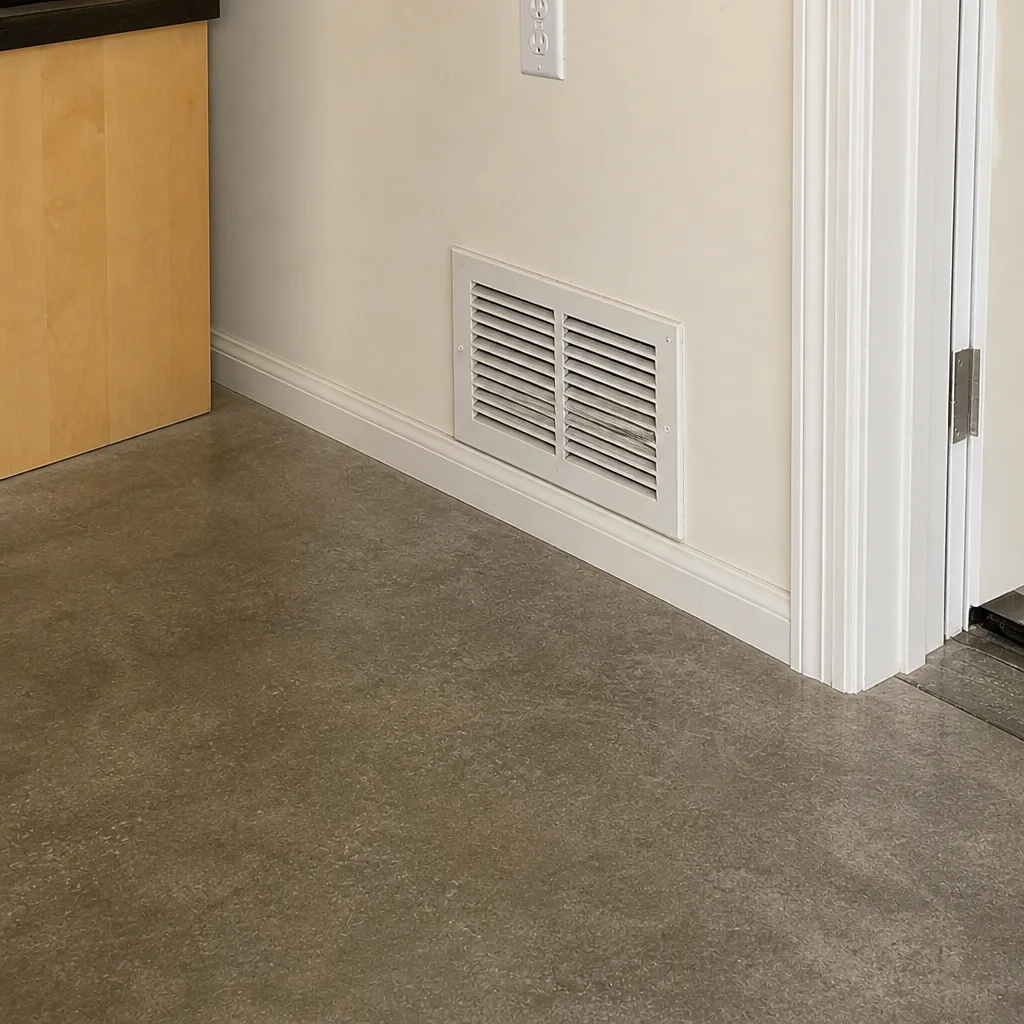
Whole-system duct and dryer vent check with before-and-after photos - you see exactly what came out of your vents
That "$99 whole-house special" is a bait ad - the real number appears once they are in your hallway, or the "clean" is a shop-vac at the register. We photograph the inside of your ducts before and after instead.
How to Hire an Air Duct Cleaning Contractor in Renton: A Step-by-Step Guide
Any contractor can claim they use “professional equipment.” The phrase means almost nothing on its own. What matters is whether the machine parked at your curb is a purpose-built duct cleaning system or a consumer vacuum with a longer hose and a fresh coat of paint. You can ask about the difference directly, before anyone sets foot in your home, and a straight answer tells you most of what you need to know. This guide walks you through the questions, credentials, and quote signals that separate a real duct cleaning operation from a sales pitch that sounds identical. We’ll cover the equipment questions worth asking, what a legitimate pre-job walkthrough looks like, how Washington licensing works, and the red flags that show up most often in Renton.
Quick Answer
Hiring an air duct cleaning contractor in Renton comes down to verifying three things before you book: the equipment they actually run (ask for the rotary brush brand, the extraction unit’s CFM rating, and whether exhaust is HEPA-filtered), the credentials behind the company (NADCA membership and a valid Washington contractor registration), and the quote itself (a per-system price after they’ve counted registers and checked duct material, not a flat number over the phone). A contractor who can answer all three without hesitation is usually the one worth hiring.
Styles & brands we work with
- Whole-home duct cleaning
- Dryer vent cleaning
- Camera inspection
- Sanitizing & deodorizing
Table of Contents
- Why the Duct Cleaning Industry Has Such a Low Barrier to Entry
- The Equipment Questions to Ask Before You Book
- Why NADCA Membership Matters as a Baseline Credential
- What a Legitimate Pre-Job Walkthrough Looks Like
- Red Flags in a Duct Cleaning Quote
- How to Verify a Contractor in Washington State
- What to Ask If You Run Honeywell or Aprilaire Equipment
- Common Mistakes to Avoid
- When to Call a Professional
- Frequently Asked Questions
Why the Duct Cleaning Industry Has Such a Low Barrier to Entry
Almost anyone can buy a shop vacuum, print business cards, and advertise duct cleaning by the end of the week. There’s no federal license specific to duct cleaning, and few states require a separate certification for the work itself. That’s the structural problem behind most of the frustration homeowners describe. The question “how much does duct cleaning cost” gets answered in wildly different ways because the people quoting it aren’t offering the same service at all.
A legitimate professional setup involves several pieces of purpose-built equipment working together. A rotary brush system mechanically agitates the duct walls, loosening debris that’s bonded to the surface. A high-powered extraction unit pulls that debris out under negative pressure. Air filtration equipment captures the particulates dislodged during cleaning so they don’t recirculate into your living room. Each of those is a separate machine, and each costs real money to buy and maintain.
Compare that to a consumer vacuum with a hose run into a register. It might pull loose dust off the floor of the duct, but it won’t scrub the walls, and it won’t contain what it stirs up. Both operations advertise “air duct cleaning.” Only one is doing the job the phrase describes.
In our experience working in Renton, this gap shows up most in older neighborhoods where ductwork hasn’t been touched in years. The debris in those systems is often bonded to the duct walls, not loose. A brushless setup won’t move it. That’s why the equipment questions in the next section matter more than the marketing copy.
You can read more about what the service actually involves on our Duct Cleaning Renton page, but for hiring purposes, stay focused on what you can verify before the appointment.
The Equipment Questions to Ask Before You Book
Ask these questions directly when you call. A contractor with real equipment will answer them plainly. A contractor without it will pivot to price, availability, or a special offer.
- What brand of rotary brush system do you use? Rotobrush is the most common name in professional duct cleaning, and it’s a fair marker of whether a company has invested in purpose-built equipment. A vague answer like “a professional brush system” without a brand name tells you something.
- What is the CFM rating on your extraction unit? CFM stands for cubic feet per minute, the measure of airflow your contractor can pull through the system. Higher CFM means stronger negative pressure, which is what keeps debris moving toward the machine instead of settling back into your ducts.
- Do you run HEPA filtration on the exhaust? This is the containment question. HEPA filtration captures fine particulates instead of pushing them back into your home’s air. If a contractor can’t answer this one clearly, that’s a real concern for anyone with allergies or respiratory sensitivity.
- Do you use air scrubbers on site? Equipment like Abatement Technologies air scrubbers runs during the job to contain airborne contaminants in the work area. It’s another sign of a containment-first process.
- What vacuum equipment do you pair with the brush? Nikro is one brand that makes HEPA-rated vacuum equipment built for duct work. Ask what they run alongside the rotary brush.
The point of these questions isn’t to quiz anyone for sport. It’s that a trained contractor can describe their own equipment fluently, and someone running a repurposed vacuum usually can’t. When we talk about professional-grade equipment, not a shop vac with a logo on it, this is the distinction we mean. You’re not looking for the fanciest answer. You’re looking for a specific one.
Ask one more: how long does a whole-home job take? A setup with real extraction and agitation takes longer than a pass with a hose, and a contractor who quotes a suspiciously short window hasn’t accounted for the work involved.
Why NADCA Membership Matters as a Baseline Credential
NADCA stands for the National Air Duct Cleaners Association. It’s the trade body that publishes the industry’s recognized standard for how duct cleaning should be performed, and membership is one of the few ways to check that a contractor has committed to a written standard rather than winging it.
Membership isn’t a license, and it doesn’t guarantee good work on its own. What it does tell you is that a contractor has agreed to a defined scope of work and a source inspection standard. NADCA membership typically involves committing to the association’s code of ethics and completing a certified training course that covers the actual methods and equipment used in the trade, not just sales technique. For a homeowner trying to sort one operation from another, that’s a useful baseline filter.
- Membership beyond the license. It’s a voluntary credential, which makes it more informative than a license required of everyone.
- Standard of care. Members agree to follow the published source-removal standard, including verifying results after cleaning.
- A verifiable list. NADCA maintains a member directory you can check yourself. A contractor’s word isn’t required; you can confirm it independently.
In our experience, a reputable company won’t mind the question. If they’re not a member, ask what standard they hold themselves to instead. If the answer is vague, that tells you something too.
What a Legitimate Pre-Job Walkthrough Looks Like
A real contractor doesn’t quote a whole-home duct cleaning price before seeing your system. There are too many variables. The walkthrough is where the real assessment happens, and it’s a step worth watching closely.
During a legitimate walkthrough, expect the contractor to do the following:
- Count the registers. Supply and return register count determines the scope of the job. A quote given without a register count is guesswork, and guesswork is how a price initially quoted becomes something quite different once the work begins.
- Inspect duct material. Sheet metal, flex duct, and rigid fiberglass all behave differently under cleaning. Flex duct in particular needs gentler handling. A contractor who doesn’t check before quoting hasn’t planned for the job.
- Locate access points. Real cleaning requires access into the ductwork, not just at the register grille. If your system doesn’t have convenient access panels, the contractor should discuss how cleaning will actually reach the duct runs.
- Ask about your whole-home air quality equipment. If you run a whole-home humidifier, dehumidifier, or air filtration system connected to your HVAC, it needs to be handled correctly during cleaning. Contractors trained on Honeywell and Aprilaire equipment understand how those systems integrate with your ducts and what to protect during the job.
- Give you a written scope. What’s included, what isn’t, and how many registers are covered. Get it in writing before anyone starts.
If a contractor quotes a firm whole-home price over the phone without ever asking how many registers you have or what your ducts are made of, treat that as a sign. It might be a door opener for an upcharge later, or it might just be a number picked to win the call. Either way, it doesn’t reflect your actual system.
Red Flags in a Duct Cleaning Quote
Most of the signals that something is off appear in the quote and the conversation leading up to it. Watch for these:
- An unusually low whole-home price. Duct cleaning uses multiple machines, trained labor, and time. A price that sounds barely worth the drive usually means fewer registers are actually being cleaned, or the process is a pass with a shop vac rather than a real cleaning. Ask what the number covers and get it in writing.
- No mention of register count. Any legitimate quote accounts for how many supply and return registers your home has. No register count means no real scope.
- Upsells pushed before the job starts. If the pre-job conversation jumps quickly to sanitizers, deodorizers, sealants, or add-ons before you’ve agreed on the base cleaning, that’s a sales pitch disguised as a service call. A good contractor addresses the base service first and treats add-ons as a separate conversation about actual need.
- A price that doesn’t match pictures. If the quote is very low, ask how you’ll know afterward what was actually done. A contractor with nothing to hide can show you before-and-after photos of your own ducts.
- Vague equipment answers. As covered above, if the contractor can’t name their rotary brush system or explain their extraction setup, the equipment probably isn’t what they’re claiming.
- Price framed as “today only.” Urgency to close on the spot is a sales tactic, not a service detail. Take the written estimate home and compare it.
In our experience, the honest version of this conversation is calmer. The contractor assesses the job, quotes a fair per-system price in writing, schedules the work, and shows you results afterward. If you’re comparing, it helps to know the honest range before the conversation. For a full breakdown of what duct cleaning costs in this market, see our air duct cleaning page for Renton-specific price ranges. And note: we price one flat amount per system, agreed in writing before work starts, not per vent.
How to Verify a Contractor in Washington State
Washington State requires contractors to register with the Department of Labor & Industries. That registration covers general contractor work, which includes duct cleaning and HVAC-adjacent services. It’s not specific to duct work, but it’s the core check you should do before letting anyone work in your home.
Verification takes a few minutes:
- Ask for the contractor’s registration number. A registered business will have one and will share it without hesitation.
- Look it up with L&I. The Department of Labor & Industries maintains a public lookup for contractor registrations. Check the number yourself rather than taking it on faith.
- Ask about liability insurance and bonded status. Registration in Washington requires insurance and bonding. Ask whether those are in place for the company you’re hiring.
- Ask who will actually do the work. Some companies subcontract. Find out who will be in your home and whether they’re employees or independent contractors, and check that the business with the insurance is the one sending the technicians.
This check matters in a city like Renton, where a mix of older housing and newer construction means duct systems vary widely. A registered contractor carries the insurance that matters if something goes wrong inside your walls. An unregistered operator doesn’t.
Also worth asking: what happens if a duct connection comes loose or a seal fails during cleaning? A contractor with a duct repair capability can fix it as part of the service rather than leaving you to find someone else. We repair ducts, not just clean them, and that matters more than it sounds when the work uncovers a problem.
What to Ask If You Run Honeywell or Aprilaire Equipment
If you’ve invested in a Honeywell or Aprilaire whole-home air quality system, ask a specific question during your contractor interview: how do you handle equipment like this during duct cleaning? The answer tells you whether the person on the phone understands your system or is just booking jobs.
Honeywell and Aprilaire systems are integrated with your HVAC and your ductwork. Components like inline filtration, humidifiers, and dehumidifiers connect to the same air paths being cleaned, and they need to be protected or temporarily bypassed during the process. A contractor trained on those brands knows the layout and can clean around them without damaging anything. A contractor who hasn’t worked with them may not.
- Ask about compatibility. “Have you cleaned systems with Honeywell or Aprilaire equipment before?”
- Ask about protection. “How do you protect my filtration and humidity control equipment during the cleaning?”
- Ask about inspection. “Will you inspect the whole-home equipment before and after cleaning?”
The answer to those questions is a clearer signal than any marketing claim. Someone who’s worked on these systems can describe the integration in plain terms. Someone who hasn’t will talk around the question.
The Renton area has plenty of homes with whole-home air quality equipment installed, and if yours is one, it’s worth being deliberate about who touches the ductwork connected to it. A mismatched contractor can do damage that costs more than the cleaning saved.
Common Mistakes to Avoid
- Booking on price alone from a phone quote. A phone quote given without a register count or duct-material check isn’t a real estimate for your home. Get a written scope before anything else.
- Assuming “professional equipment” in an ad means anything. The phrase is used by everyone, including operations with a shop vac and a website. Ask for the brand of the rotary brush and the CFM rating on the extractor.
- Skipping the L&I check. Washington requires contractor registration, and the lookup takes minutes. Letting an unregistered operator into your home removes the insurance protection that matters if something goes wrong.
- Agreeing to add-ons before the base cleaning is scoped. Sanitizers and deodorizers come up fast in some sales conversations. Nail down the cleaning scope first, then decide whether anything else is actually needed.
- Ignoring your whole-home air quality equipment. If you run Honeywell or Aprilaire systems, a contractor who isn’t familiar with them may not protect your equipment properly. Ask directly.
- Letting the appointment end without a visual record. Before-and-after photos of your own ducts are the simplest way to confirm the work was done. Ask for them before booking if the contractor doesn’t offer them.
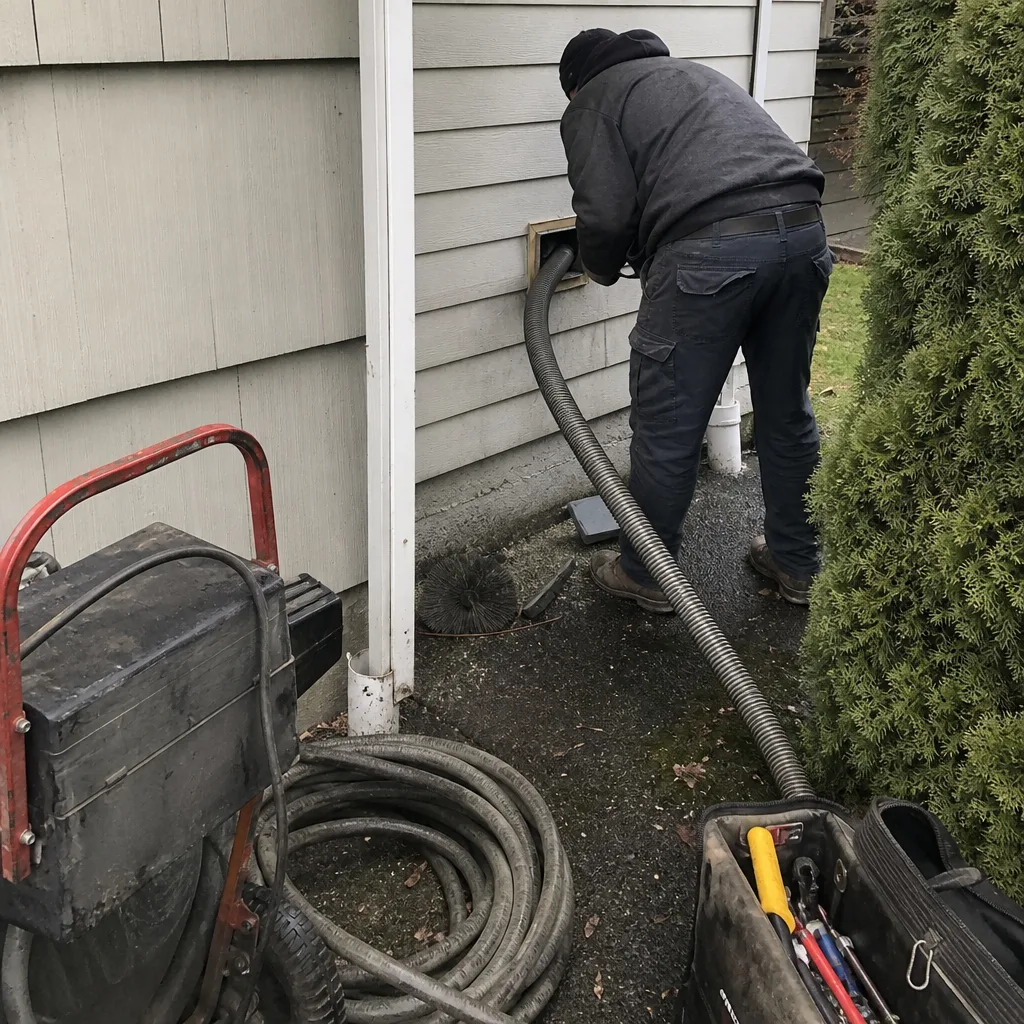
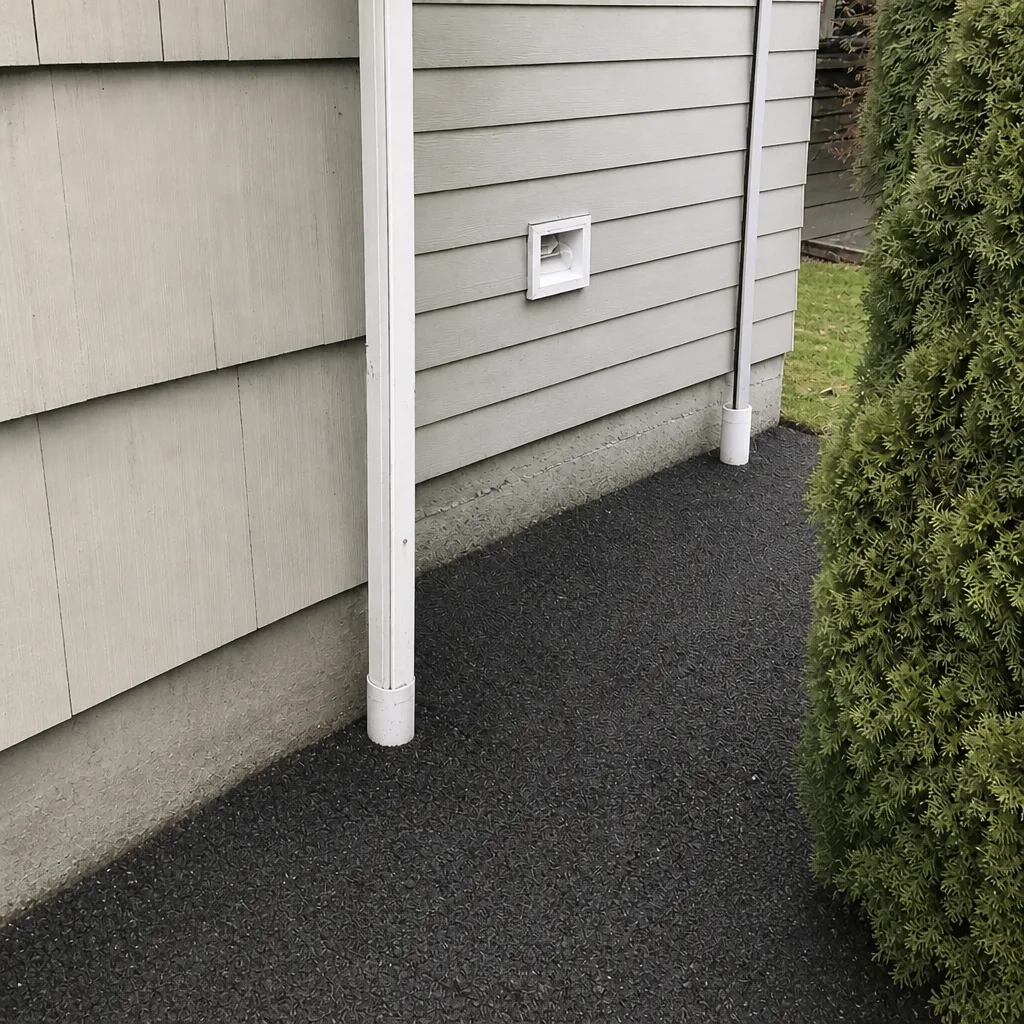
- Skipping dryer vent cleaning as a separate line item. Dryer vents are a documented fire-safety concern, and they clog from lint accumulation like any duct. Include dryer vent cleaning on your list of questions even if your focus is air ducts.
When to Call a Professional
Not every home needs duct cleaning on a schedule. Some houses have visible dust buildup at the registers, persistent musty odors when the system runs, or allergic symptoms that seem worse indoors. Others have had remodeling work done that likely pushed debris into the duct system. And some have never had the ducts cleaned at all. Those are good reasons to have someone evaluate the system.
Dryer vents are the more time-sensitive case. Lint buildup in a dryer vent is a recognized fire hazard, and a dryer that takes twice as long to dry a load is often telling you something is restricted. That’s worth checking.
Duct Cleaning Renton offers free estimates in Renton. Call (866) 942-6902. We answer 24/7. Fast dispatch from 7am to 7pm, Sunday through Friday.
Frequently Asked Questions
Air duct cleaning in the Renton area typically falls in a range based on the number of registers, the duct material, and the condition of the system, quoted as one flat price per system after a walkthrough. There’s no universal price because systems differ significantly from home to home. Call (866) 942-6902 for an exact quote; estimates are free.
Cheap quotes usually reflect a different service: a shop vac with a hose into each register rather than a rotary brush, high-CFM extraction, and HEPA filtration running as a coordinated system. The price difference tracks the equipment difference. Call (866) 942-6902 to talk through what a real cleaning involves for your home; estimates are free.
Ask for before-and-after photos of your own ducts, taken during the job. A contractor with genuine equipment and a straight process will have no problem providing that record. Call (866) 942-6902 to ask how a specific job gets documented; estimates are free.
There’s no single schedule that fits every home. Homes with pets, recent remodeling, allergy concerns, or older ductwork tend to need it more often than a newer home with no specific complaints. The right answer depends on what’s in your system, not a calendar. Call (866) 942-6902 to get an honest assessment; estimates are free.
Washington State requires contractors to be registered with the Department of Labor & Industries, and that registration covers the liability insurance and bonding that protects you if something goes wrong. Ask for the registration number and verify it with L&I before booking. NADCA membership is a separate voluntary credential worth checking at the same time. Call (866) 942-6902 if you’d like to know what we provide; estimates are free.
It can if the contractor isn’t familiar with whole-home air quality equipment and doesn’t take steps to protect the integrated components during cleaning. Ask whether the contractor has worked on Honeywell or Aprilaire systems and how they handle that equipment. Call (866) 942-6902 to ask how we approach systems like yours; estimates are free.
The Bottom Line
The best protection against a bad duct cleaning experience is a set of direct questions asked before you book. Ask for the rotary brush brand, the CFM rating on the extraction unit, and whether HEPA filtration is running on the exhaust. Verify contractor registration with L&I. Confirm NADCA membership if it matters to you. Insist on a walkthrough and a written scope with a register count before accepting any quote. And if you run Honeywell or Aprilaire whole-home equipment, find a contractor who knows those systems. In Renton, the difference between a legitimate duct cleaning and a shop vac with a logo on it comes down to those checks, and they’re all available to you before anyone sets foot in your home. For a broader look at services across the city, see Renton.
Call (866) 942-6902 for a free estimate. We answer 24/7. Fast dispatch from 7am to 7pm, Sunday through Friday.
Written by the team at Duct Cleaning Renton.
See the difference
 Before
 After
 Before
 After
 Before
 After