
Last updated November 15, 2026
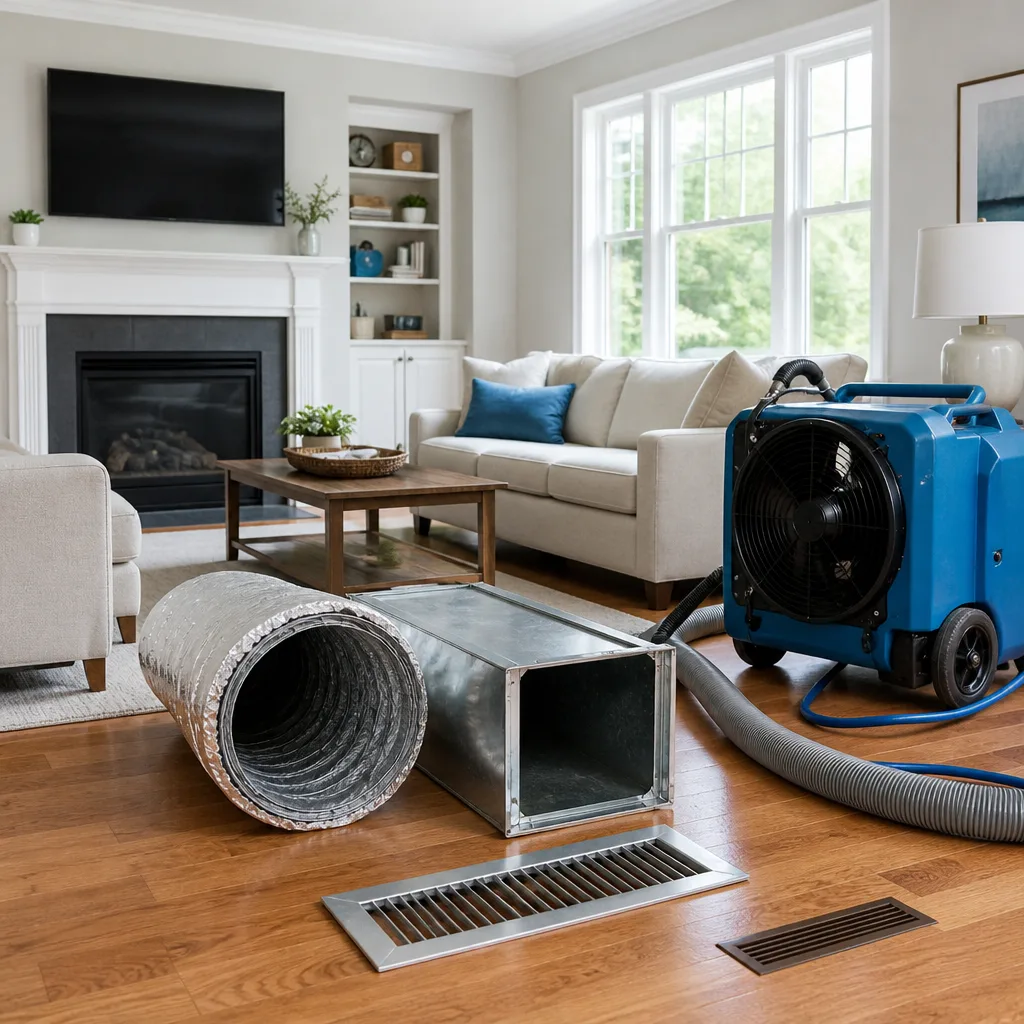 Whole-home duct cleaning
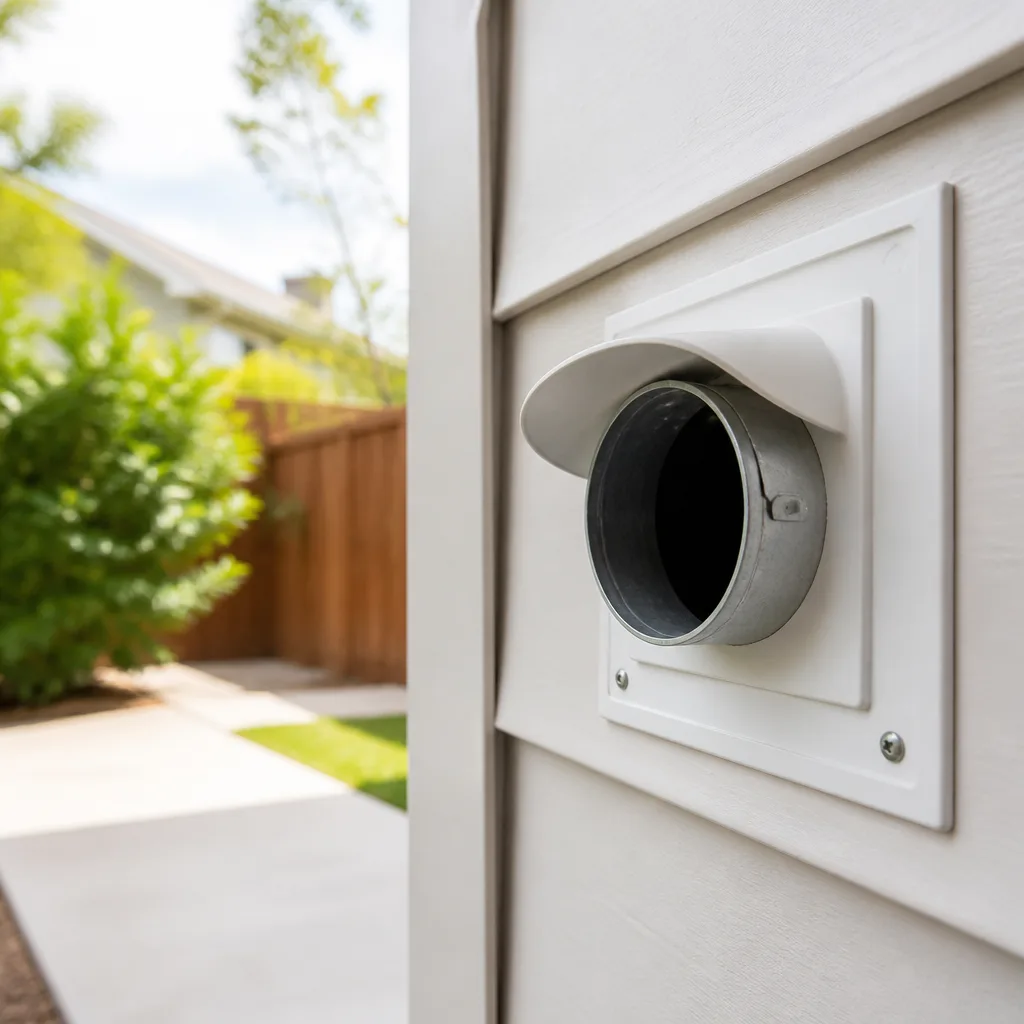 Dryer vent cleaning
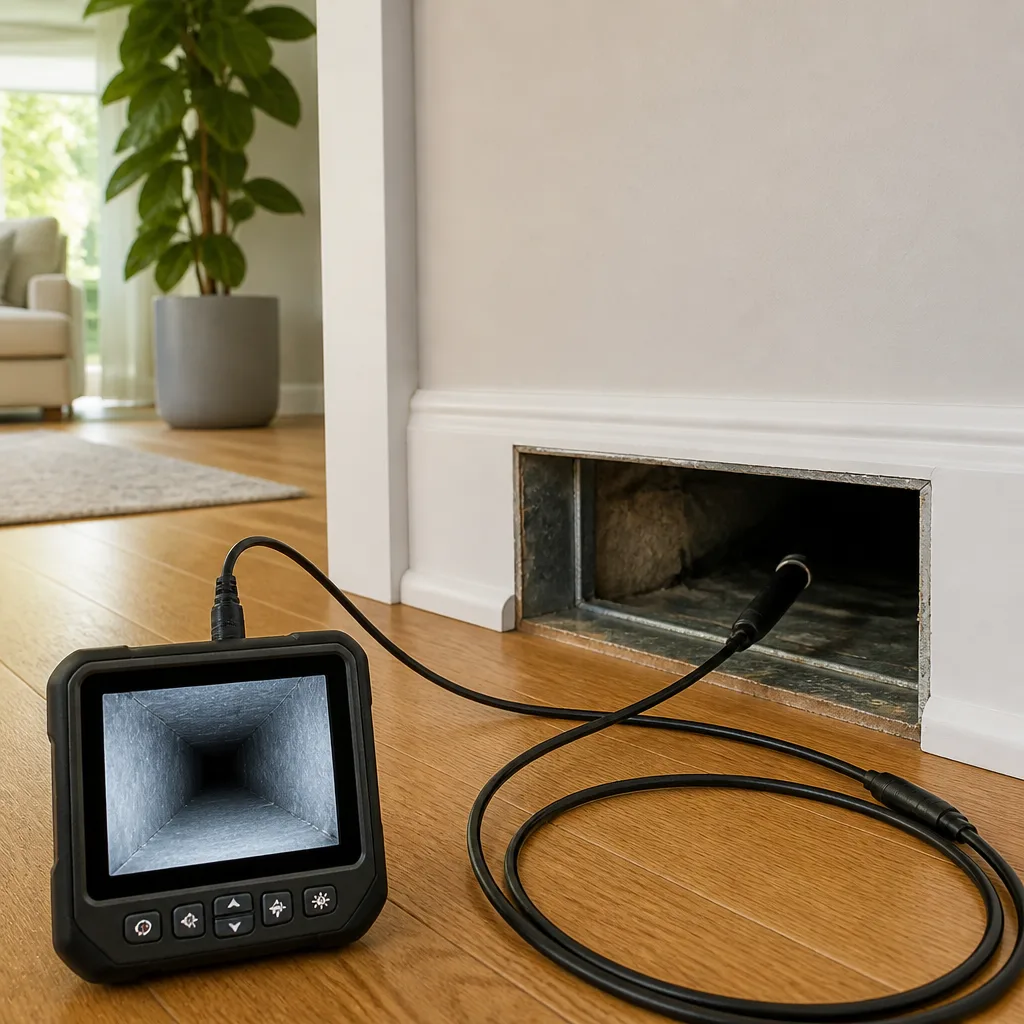 Camera inspection
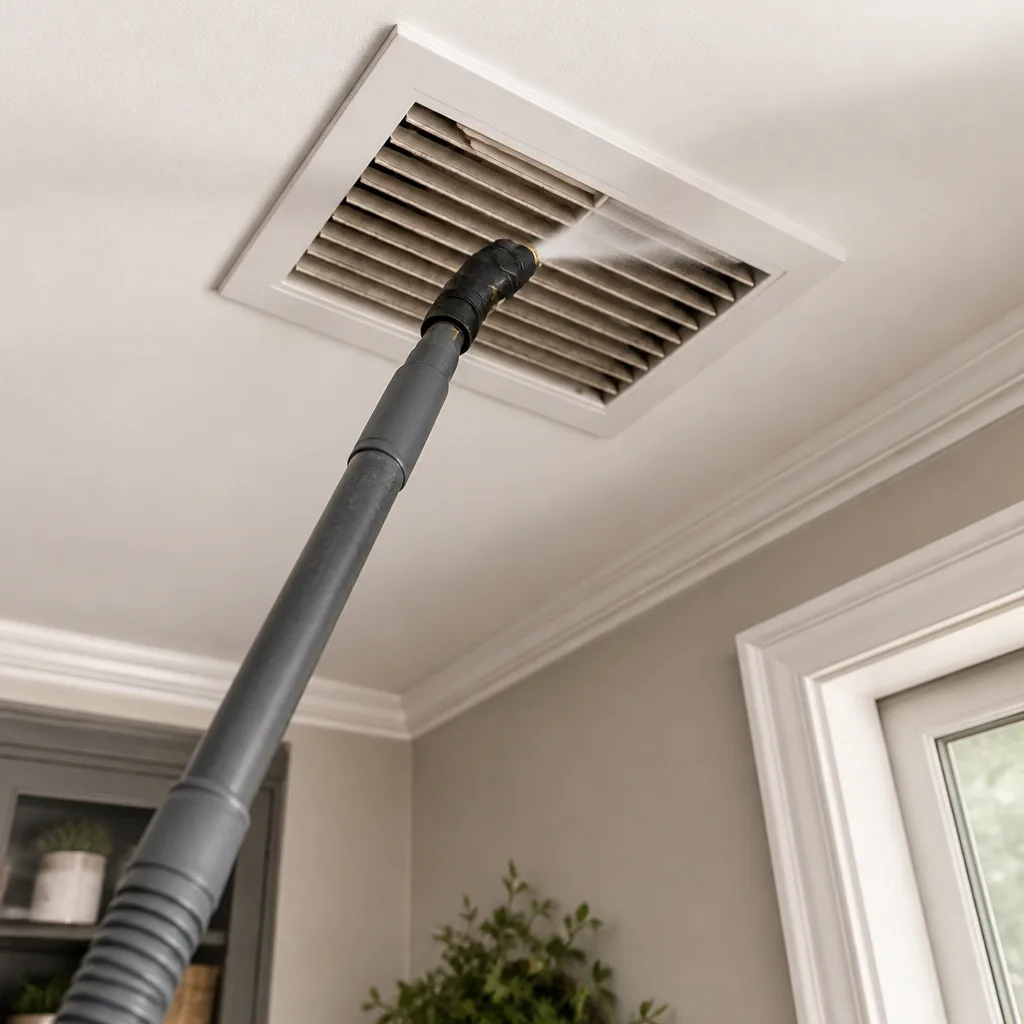 Sanitizing & deodorizing
Whole-system duct and dryer vent check with before-and-after photos - you see exactly what came out of your vents
That "$99 whole-house special" is a bait ad - the real number appears once they are in your hallway, or the "clean" is a shop-vac at the register. We photograph the inside of your ducts before and after instead.
DIY vs Professional Air Duct Cleaning: The Renton Homeowner’s Decision Guide
Most duct cleaning advice splits into two useless camps: vacuum-and-a-dream encouragement or fear-based upselling. Here’s the honest middle. A homeowner with a shop vac, a dryer vent brush, and two hours can meaningfully clean accessible registers and short duct runs. That same homeowner attempting a full fifteen-register system with no extraction equipment will redistribute more contamination than they remove. The difference isn’t effort or courage. It’s physics. This guide walks through exactly what DIY can accomplish, where it stops working, and how to decide which path fits your home in Renton.
Quick Answer
DIY air duct cleaning in Renton is a reasonable choice for registers, accessible boots, and short straight runs near the air handler, but it is not adequate for full-system cleaning because it lacks negative-pressure extraction. Without a HEPA-rated vacuum holding a pressure differential on the system, brushing duct walls drops contamination into the airstream and redistributes it through the house. For post-renovation debris, rodent contamination, suspected mold, or any home with a full trunk-and-branch layout, professional cleaning with Rotobrush or Nikro extraction equipment is the only method that actually removes what’s in there.
Styles & brands we work with
- Whole-home duct cleaning
- Dryer vent cleaning
- Camera inspection
- Sanitizing & deodorizing
Table of Contents
- The Physics That Decide the Whole Question
- What DIY Duct Cleaning Can Legitimately Accomplish
- Where DIY Stops Working in a Renton Home
- What Professional Equipment Actually Does Differently
- The Hybrid Approach: Split the Job
- Renton Climate, Housing Age, and Duct Contamination
- Air Quality Equipment and Duct Cleaning
- Cost, Value, and What the Estimate Should Look Like
The Physics That Decide the Whole Question
The single question that determines whether a duct cleaning job works comes down to one thing: which way the air is moving while you’re disturbing the contamination. Negative-pressure extraction pulls air toward the vacuum. Positive-pressure brushing pushes air away from the brush. Those are opposite directions, and one of them is what you want.
Here’s what happens in a DIY setup. You brush or vacuum a duct from the register end. The vaccum pulls some material toward the hose. But the return side of the system is still open, the air handler cabinet is not sealed, and the whole house is one big pressure envelope. Debris dislodged in one branch has no reason to travel to your vacuum specifically. It travels wherever the pressure takes it, which is often back into the living space.
Professional cleaning inverts the setup. A HEPA-rated extraction unit is connected at the main trunk or air handler, creating a sustained negative pressure across the entire duct system. Brushing happens from the far branches toward the extraction point, so every particle the brush releases has one route to travel: out of the ducts and into the HEPA filter.
- Airflow direction during agitation is the deciding variable, not brush quality or vacuum size
- System sealing matters – open registers and unsealed cabinets break the pressure differential
- HEPA filtration at the vacuum keeps captured material from re-entering the return
- Containment during service prevents what’s released from drifting into other rooms
None of this is a knock on homeowners. It’s just how air behaves inside a house. Once you understand that the airflow direction is the whole game, the DIY-versus-professional decision stops being about effort and becomes about equipment and method.
What DIY Duct Cleaning Can Legitimately Accomplish
There is a real, useful set of tasks a careful homeowner can do well. Knowing what they are keeps you from wasting a day on a job that won’t improve your air quality and from skipping the small jobs that actually do.
- Register and grille cleaning. Remove the supply and return registers, wash them in the sink with mild soap, dry fully, and reinstall. This alone often removes the visible dust ring you notice first.
- Boot cleaning (the box behind the register). With the register removed, a shop vac with a brush attachment can reach into the short boot extending off the wall or floor. Vacuum the boot walls gently. If a brush dislodges more dust than the shop vac can hold, stop and seal the register back up.
- Short, straight duct runs near the air handler. A few feet of straight sheet metal duct that you can actually see the far end of can be cleaned with a shop vac and a flexible hose attachment. This is where DIY actually captures what it disturbs.
- Return air grille and filter slot. Vacuuming the return grille face and the filter tray reduces dust load on the filter and keeps the air handler cleaner between filter changes.
- Dryer vent lint near the dryer. Disconnect the dryer, pull the flexible transition duct, vacuum out visible lint, and reconnect with a proper clamp. Anything past the wall is a different job.
- Filter replacement. A fresh filter at the manufacturer’s recommended interval does more for indoor air quality than any duct work in the world if you let one load up for too long.
If your home has a small number of registers, an accessible main trunk, and no renovation, no rodents, no visible mold, and no flex duct collapses, DIY plus a clean filter may be all you need for a while. The professional call is for the jobs that outgrow that level of access.
Where DIY Stops Working in a Renton Home
Certain conditions make a full-system professional clean the only honest recommendation. Each of these has a specific reason why the homeowner’s shop vac can’t solve it.
Post-renovation debris
Drywall dust, sawdust, and small construction fragments from a remodel or addition settle deep into trunk lines and branch runs. This fine particulate can clog the air handler evaporator coil and shorten the life of the blower. A shop vac reaches the first few feet of duct. It cannot pull out what’s sitting in the middle of a twenty-foot trunk run.
Rodent contamination
Rodent activity in ducts leaves droppings, urine, nesting material, and hair throughout the system. Disturbing that material without sealed extraction and containment moves pathogens into the living space. This is a job for a professional with HEPA-rated extraction and on-site air filtration – Abatement Technologies air scrubbers are what we deploy for exactly this scenario.
Suspected mold growth
If you see dark spotting near registers, smell a musty odor when the system runs, or notice moisture inside the air handler cabinet, DIY vacuuming will spread spores rather than remove them. Professional cleaning plus a careful look at the moisture source is the right first step.
Collapsed or damaged flex duct
Flex duct pinches at bends, sags, and collapses over time. A homeowner can’t reach into a collapsed run to restore airflow – the duct has to be repaired or replaced. That’s a repair, not a cleaning, and it’s why we separate air duct repair from cleaning as two distinct services.
Large multi-trunk systems
Homes in Renton with two or three heating zones, a long trunk run to a bonus room, or a complicated branch layout in an older home can’t be cleaned through register access alone. The trunk lines and air handler compartment need extraction equipment sized for the whole system.
What Professional Equipment Actually Does Differently
The distance between a shop vac and a proper duct cleaning trailer is not brand vs. brand. It’s the difference between agitating dust and capturing it. Professional-grade equipment, not a shop vac with a logo on it, changes four things at once.
Rotobrush rotary agitation
A rotating brush head on a flexible shaft spins at a controlled rate through the duct, scouring duct walls from all sides at once. It reaches lengths of duct a homeowner can’t see, and it works with the extraction system rather than against it. Physical agitation lifts stuck dust so extraction can capture it.
Nikro HEPA extraction
A Nikro HEPA-rated vacuum holds a true pressure differential on the connected duct system. Every particle the brush dislodges travels toward the extraction point because the system is pulling air that direction from start to finish. Consumer shop vacs run at a fraction of the airflow and often recirculate fine particles back through their own exhaust.
Abatement Technologies air filtration
Before anyone disconnects a register or opens a trunk line, an Abatement Technologies air scrubber is set up in the work area. It filters the ambient air, catching any fine material that escapes during service. Containment-first cleaning means particulates come out of your ducts, not into your living room. That matters most in older Renton homes where a century of accumulated dust sits in the system.
Sealing and method sequencing
Registers are sealed around the brush and hose entry points. The air handler compartment is treated separately from the trunk lines. Returns and supplies are cleaned in a specific order that maintains the extraction differential throughout the job. This is the part homeowners can’t replicate without a system-level plan.
If the home runs Honeywell or Aprilaire whole-home air quality equipment, the technician also needs to know how those systems interact with duct pressure. Trained equipment compatibility matters – disconnecting or disturbing a UV air purifier, fresh-air intake, or whole-home humidifier without understanding it can create a problem the cleaning was supposed to solve. Our team is trained on both Honeywell and Aprilaire systems, and it’s a real part of the job, not a marketing line.
The Hybrid Approach: Split the Job
You don’t have to choose sides. A middle path works for many Renton homeowners, and it’s the one we’d recommend to a friend: homeowner handles what a homeowner can safely do; the professional handles what needs extraction.
- You clean the registers. Remove every supply and return grille, wash them, and dry them fully before reinstallation. This is one of the highest-value tasks in the whole system and there’s no reason to pay for it.
- You vacuum accessible boots. With a shop vac and brush attachment, take the dust out of the short boxes behind each register. Seal the register back up as soon as you’re done so nothing drifts back.
- You change the filter. A clean filter after a duct cleaning is standard. A clean filter before one is also sensible – it catches anything that gets disturbed.
- The professional handles the trunk lines. Main trunk runs and branch lines past the boot need rotary agitation and HEPA extraction. This is where the contamination that actually affects air quality lives.
- The professional handles the air handler compartment. The blower wheel, evaporator coil face, and return plenum need cautious cleaning by someone who knows what they’re touching, especially if a Honeywell or Aprilaire component is inside.
- You document with before-and-after photos. Any duct cleaning company worth calling will show you photos of your own ducts before and after. Ask for them and look at them. That’s the difference between service and theater.
This split makes financial sense too. A homeowner who’s already cleaned registers and boots doesn’t need to pay for that step, and a straight-forward quote reflects it.
Renton Climate, Housing Age, and Duct Contamination
Renton sits in the Puget Sound lowland, which means a few specific conditions shape what ends up in a duct system here. The rainy season runs long, humidity is high more months than not, and forced-air heating systems move a lot of air through poorly insulated spaces in older construction. Those conditions have predictable effects on duct contamination.
- Long damp season. Moisture finds its way into crawl spaces and attic runs. Duct insulation that stays damp is a substrate for mold growth, and once it starts inside a run, DIY cleaning can’t reach it.
- Older housing stock near downtown Renton, Kennydale, and Highlands. Homes built mid-century or earlier often have original sheet metal trunks with years of dust accumulation and, sometimes, gaps at seams that draw in crawlspace air.
- Newer construction in the Renton Highlands and along the Renton Landing corridor. Tighter homes mean less air exchange, so a duct system carrying dust and construction debris gets more concentrated. New builds with post-construction debris are a common professional cleaning call.
- Heating-season dust load. When the system runs for months at a time through the wet season, dust that would otherwise settle gets pulled through the ducts repeatedly, coating walls and returning to the breathing zone.
If you’re in an older Renton home with original ductwork and a bad musty smell when the heat comes on, the answer probably isn’t DIY. If you’re in a newer townhome with a clean filter and no smell, register cleaning may genuinely be enough for a while. Location matters less than duct condition, but it’s a useful starting signal.
Air Quality Equipment and Duct Cleaning
If your home runs a premium whole-home air quality system, the standard for duct cleaning goes up. A Honeywell or Aprilaire UV air purifier, humidifier, or media filter cabinet is designed to work with a clean, sealed duct system. Duct contamination that reaches the equipment shortens its service life and undermines what you paid for it.
That’s why equipment compatibility matters when you hire. A duct cleaner who’s trained on Honeywell and Aprilaire systems knows which components to protect during cleaning, which to check for contamination, and which to leave alone. A generalist with a shop vac and a rotating brush does not. This is one of the reasons we recommend asking two questions before any duct cleaning company steps into your home: what equipment are you using, and are you trained on the air quality equipment already installed here?
Allergy sufferers and health-conscious households should also be clear on what a good cleaning does and doesn’t do. It removes accumulated contamination from a system. It doesn’t sterilize the air, replace a filter, or substitute for addressing moisture and ventilation problems at the source. Anyone selling duct cleaning as a health cure is overselling. Anyone explaining it as one part of a clean-air system is being straight with you.
Cost, Value, and What the Estimate Should Look Like
Duct cleaning pricing varies with the number of registers, the number of systems, and access difficulty. We don’t price by the vent because that model encourages bait-and-switch: a low headline number, a larger invoice once the technician is on site. What’s honest is a flat price per system, agreed before work starts.
DIY costs the price of a shop vac and a few hours. What it doesn’t cost, it also doesn’t deliver: extraction, containment, and agitation with equipment built for the job. Whether that trade is worth making depends entirely on the state of your duct system.
Before any professional visit, ask for these things:
- A walkthrough of the system before quoting – how many registers, how many systems, how many trunk runs
- Confirmation of what equipment will be used on-site (Rotobrush, Nikro, Abatement Technologies, for example)
- Before-and-after photos of your own ducts, not stock photos
- A flat per-system price in writing, agreed before any work begins
If any of those four things is missing from a quote, be cautious. If the number is dramatically lower than others, ask what the quote excludes. If you’re not sure whether your home needs full-system cleaning, start with a call. Duct Cleaning Renton provides free estimates and can tell you honestly whether DIY is adequate for your system or not.
Common Mistakes to Avoid
- Brushing a duct without extraction. Agitating dust without a HEPA-rated vacuum pulling the air toward the extraction point just moves contamination into the airstream. If you’re going to brush, have the extraction running first.
- Cleaning registers before a filter change. The filter catches what your register work dislodges. Swap it before and after the job for cleaner results.
- Using a shop vac without a HEPA filter inside it. A standard shop vac exhausts fine particles back into the room. That’s the opposite of what duct cleaning is supposed to accomplish.
- Opening the air handler cabinet without knowing the wiring and gas connections inside. The blower compartment on a gas furnace shares a cabinet with the controls. That’s a job for a trained technician, not a homeowner with good intentions.
- Shoving a brush into flex duct past a bend. Flex duct tears easily at reinforcements, and a nicked liner becomes a leak. Short runs and boots are fine. Anything past the bend is not.
- Believing a very low quote without asking what’s included. The cheapest quote in Renton is usually the least equipment on-site. Ask what equipment shows up and whether containment and photos are included.
- Ignoring the dryer vent. Dryer vent lint is a documented fire safety issue, and it’s separate from the HVAC ducts. Cleaning the supply and return runs doesn’t touch the dryer vent behind the wall.
See the difference
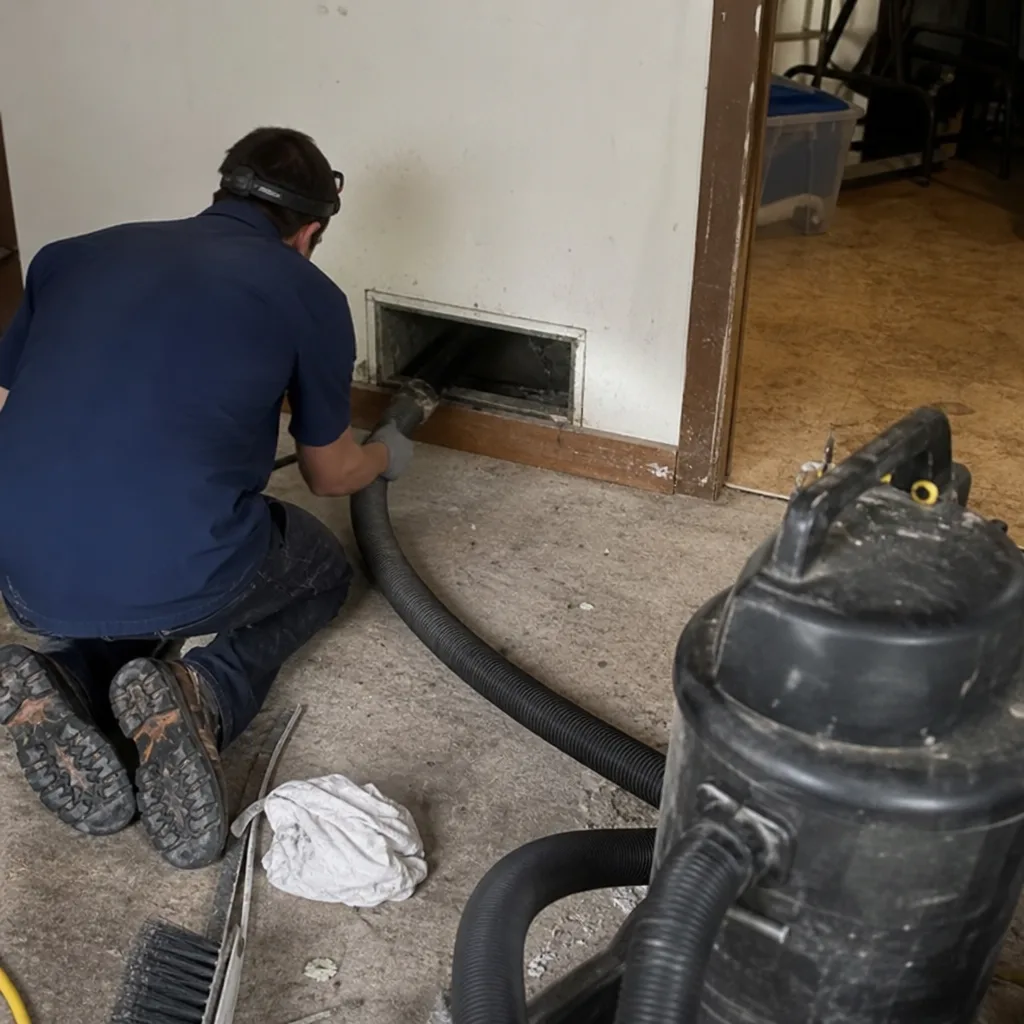 Before
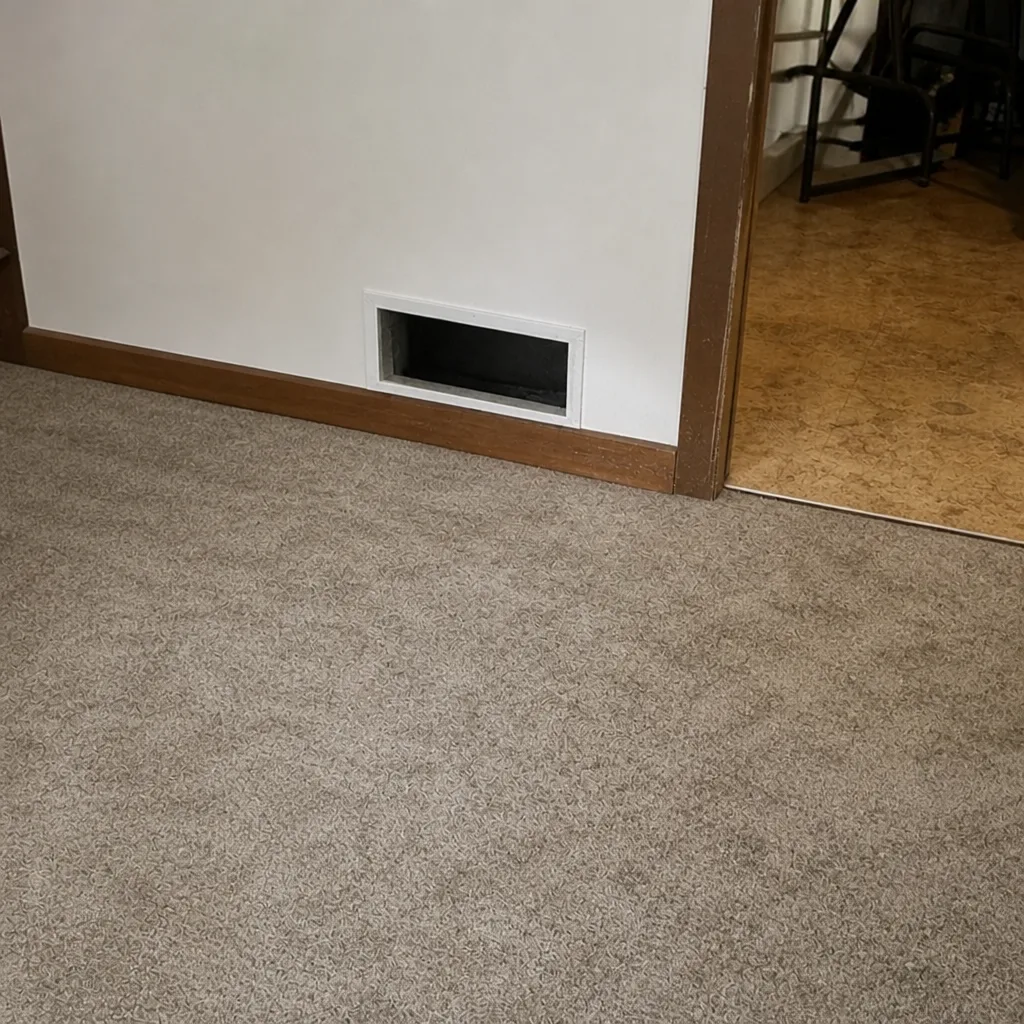 After
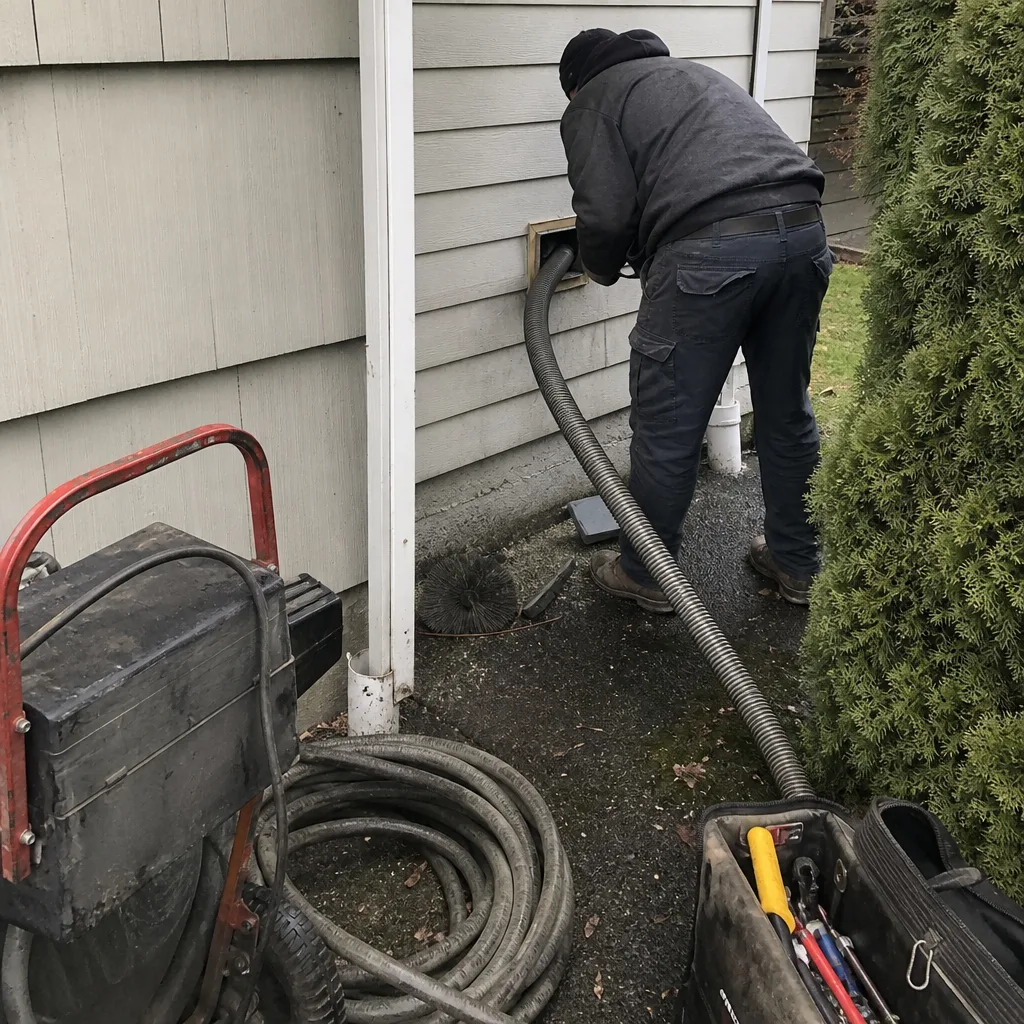 Before
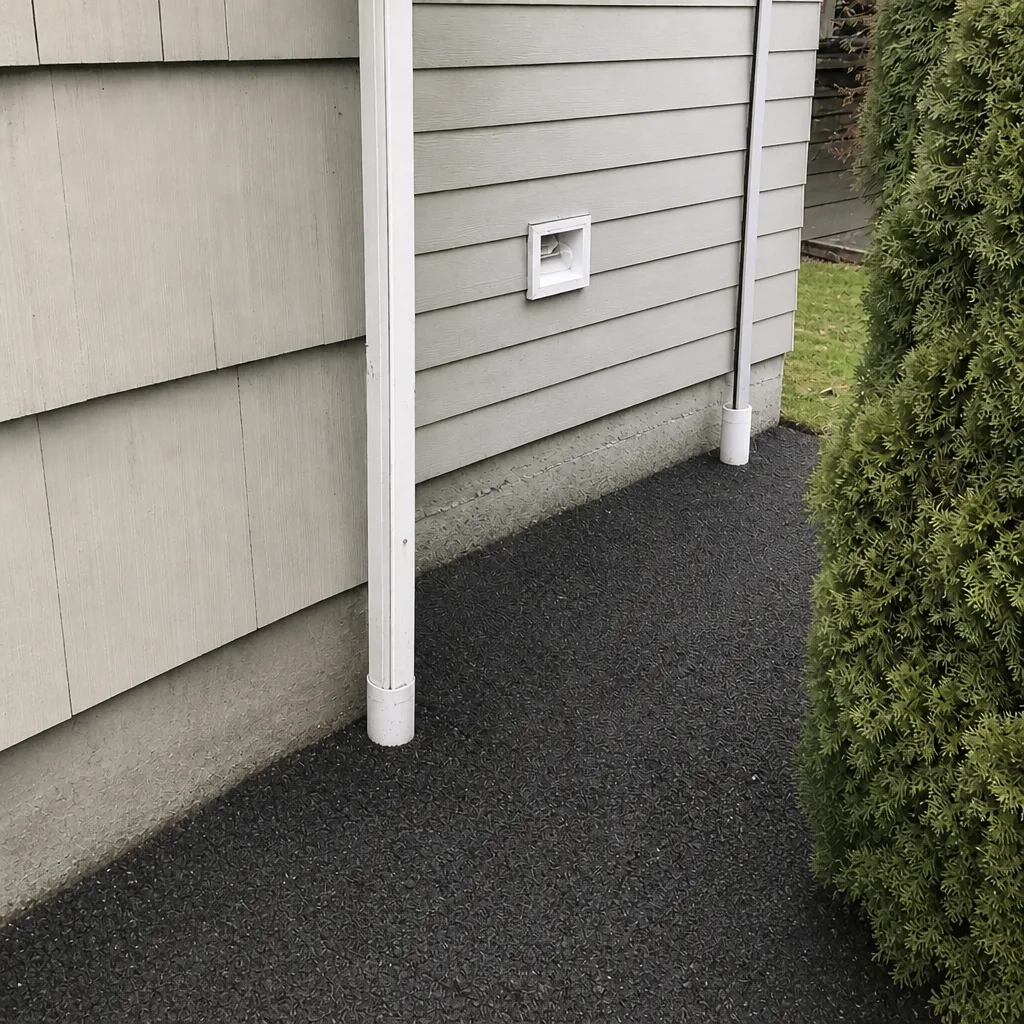 After
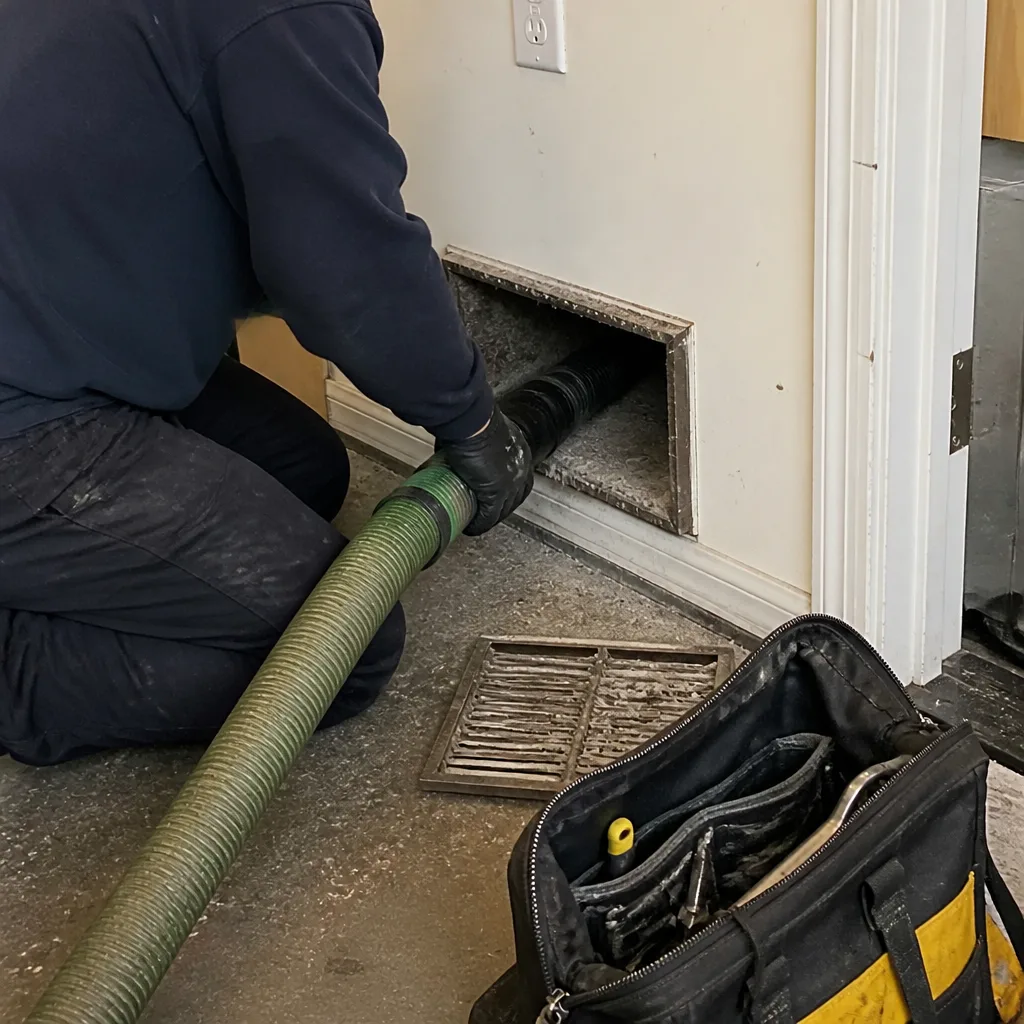 Before
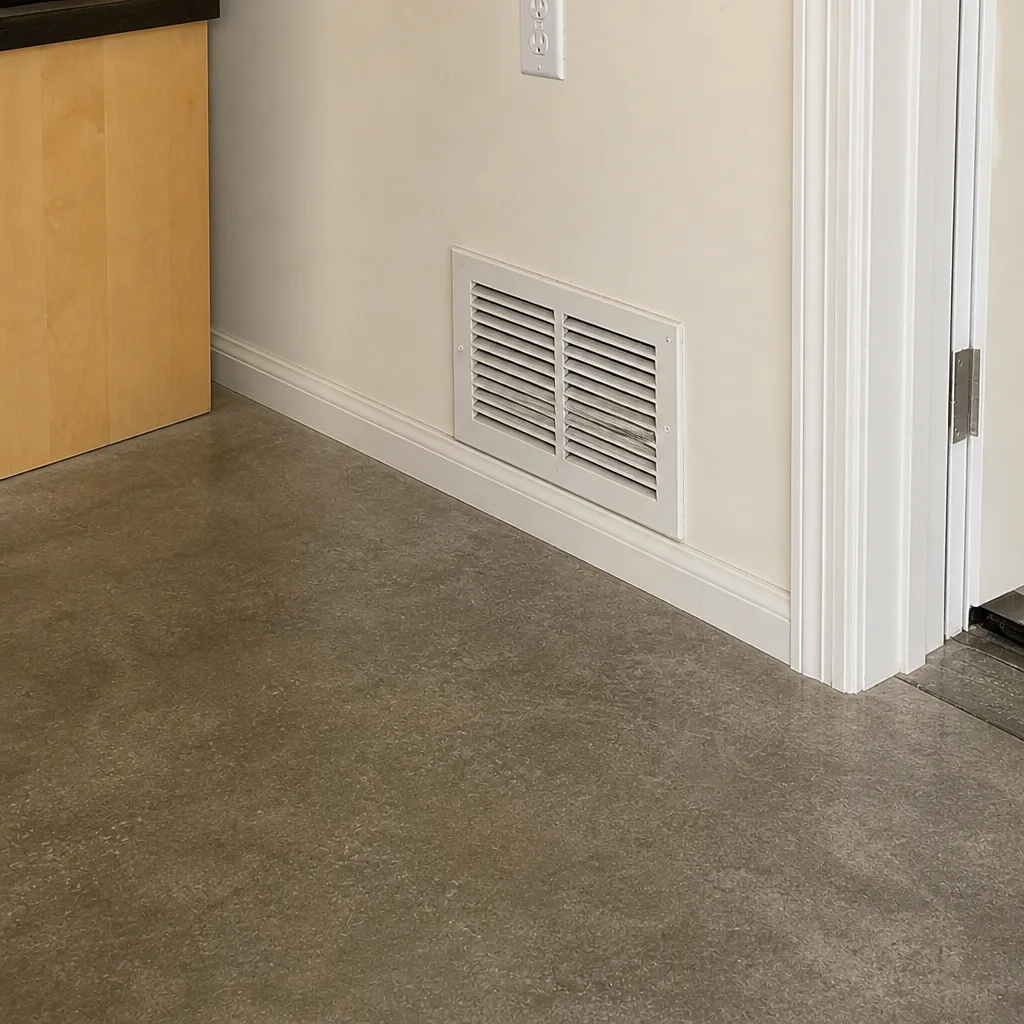 After
When to Call a Professional
Call for a professional evaluation if you’re dealing with post-renovation debris, rodent or pest contamination, suspected mold growth, a collapsed or torn flex duct run, or a system with multiple trunks and an inaccessible air handler. Call if the home runs Honeywell or Aprilaire equipment and you want the cleaning done without disturbing that equipment. Call if you’ve had a dryer vent fire risk on your mind and haven’t had it inspected. Duct Cleaning Renton offers free estimates in Renton – call (866) 942-6902. We answer 24/7. Fast dispatch from 7am to 7pm, Sunday through Friday.
Frequently Asked Questions
Yes, for registers, accessible boots, short straight runs near the air handler, and dryer vent lint right at the dryer connection. DIY becomes a bad idea when the system has multiple trunks, post-renovation debris, rodent contamination, suspected mold, or flex duct damage, because none of those can be cleaned with a shop vac. If you’re unsure which category your home falls into, air duct cleaning professionals can answer that in a short visit. Call (866) 942-6902 for an exact quote – estimates are free.
Look for visible dust streaking around registers, a musty smell when the system kicks on, a recent renovation, or pest activity. Most homes without those signals can wait, and regular filter changes stretch that window further. If you’re in an older Renton home and the smell is persistent, professional cleaning is worth scheduling. Call (866) 942-6902 for an exact quote – estimates are free.
Because they exclude the equipment that makes cleaning work. A very low quote usually means no HEPA extraction, no rotary agitation, no containment during the job, and no before-and-after photos. What you’re paying the extra amount for on a professional quote is exactly the things that distinguish cleaning from unsettling dust. Ask any company to name the equipment they’ll bring before you book. Call (866) 942-6902 for an exact quote – estimates are free.
Ask for before-and-after photos of your own ducts, and if you’re home during the visit, ask to see the extraction equipment in use. A legitimate cleaning shows visible changes in duct interiors and leaves you with documented proof. Anything without photos is difficult to verify. Call (866) 942-6902 for an exact quote – estimates are free.
Yes, they’re separate systems. dryer vent cleaning addresses lint accumulation that’s a documented fire risk, and HVAC duct cleaning doesn’t touch the dryer vent behind the wall. If you’re already scheduling a visit for Renton ducts, having the dryer vent done at the same time makes sense. Call (866) 942-6902 for an exact quote – estimates are free.
There’s no single number that fits every home. A clean home with a well-maintained filter can go several years without needing it; a home with pets, recent renovation, or a prior pest issue may need it more often. The right answer depends on what the system looks like, not a fixed calendar. Call (866) 942-6902 for an exact quote – estimates are free.
The Bottom Line
DIY air duct cleaning isn’t dangerous. It’s just mechanically limited, and the limitation is specific: without negative-pressure extraction, disturbing contamination in one section of duct moves it rather than removes it. Clean registers, accessible boots, and short straight runs are within reach of a homeowner with a shop vac and a brush. Trunk lines, air handler compartments, post-renovation debris, pest contamination, mold, and damaged flex duct are not. Once you know which category your system falls into, the decision stops being an emotional one and becomes a practical one. Our technicians have up to 12 years of experience working on both sides of that line.
If you’re still not sure where your home lands, or if you just want a straight answer on what your ducts actually need, we’re here to look. We repair ducts, not just clean them, and we use Rotobrush and Nikro equipment plus Abatement Technologies air filtration on every professional job. Call (866) 942-6902 for a free estimate. We answer 24/7. Fast dispatch from 7am to 7pm, Sunday through Friday, and we’re closed Saturday.
Written by the team at Duct Cleaning Renton.