
Last updated November 15, 2026
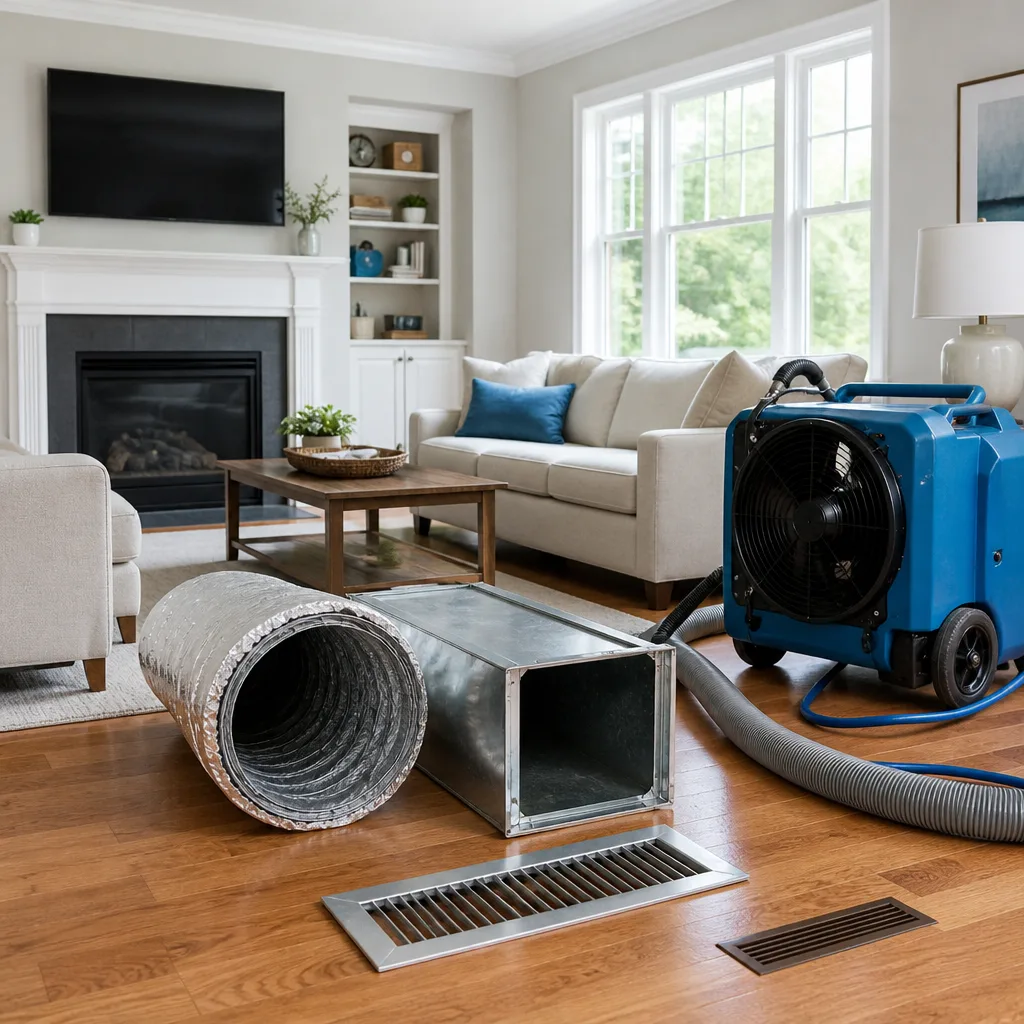 Whole-home duct cleaning
 Dryer vent cleaning
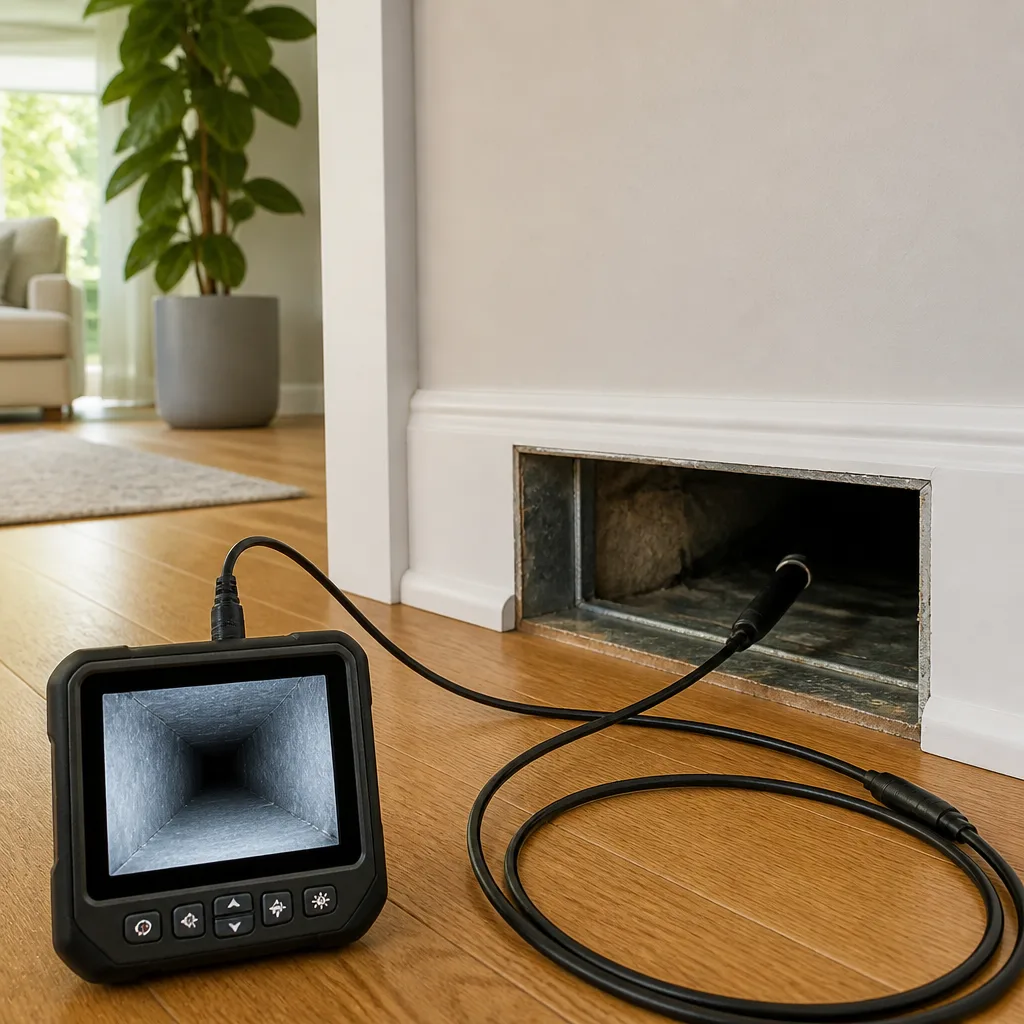 Camera inspection
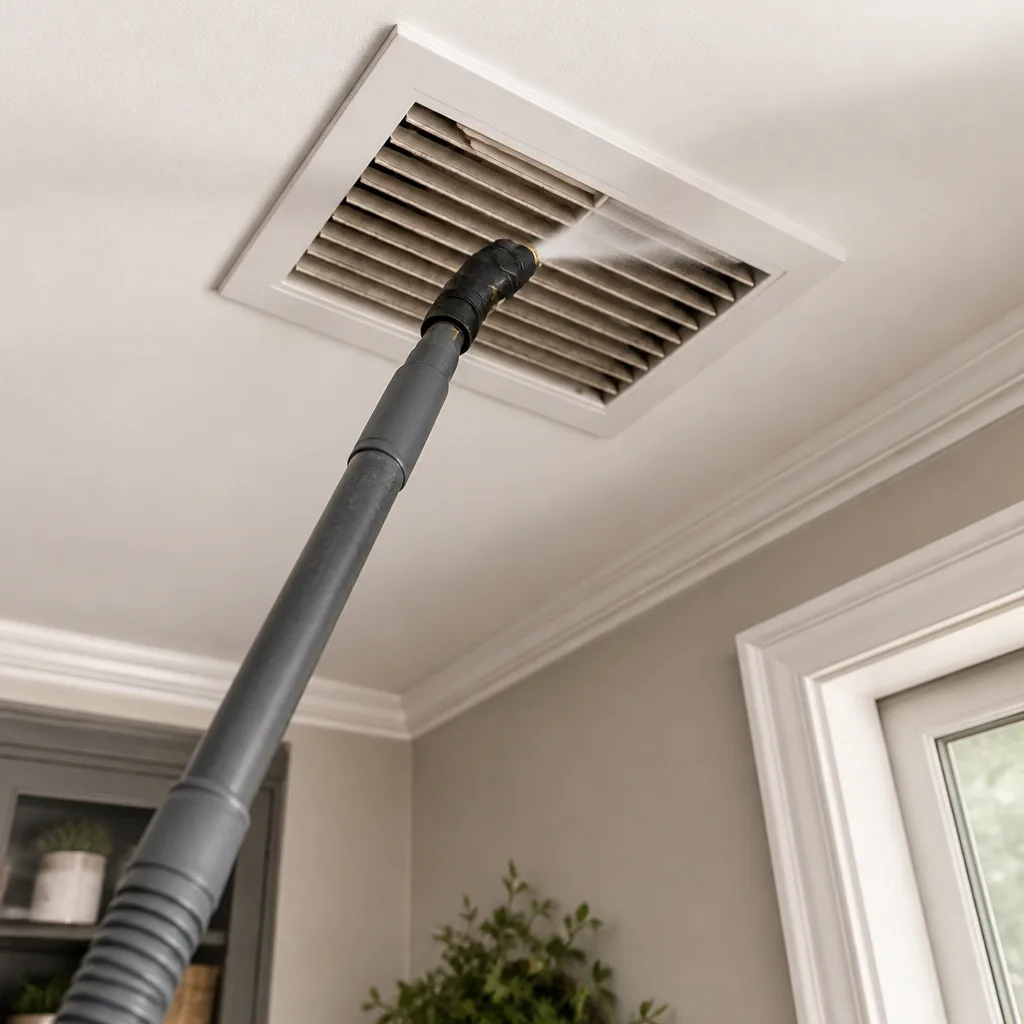 Sanitizing & deodorizing
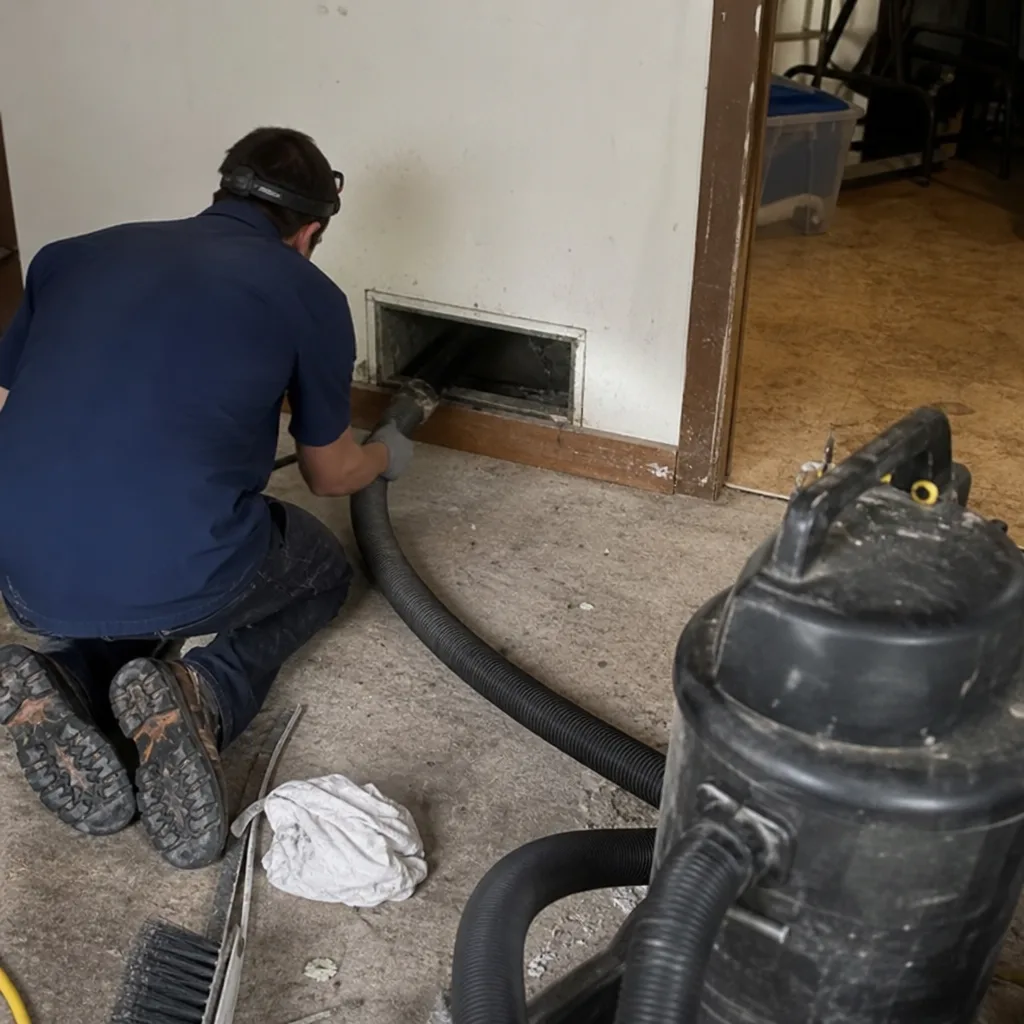
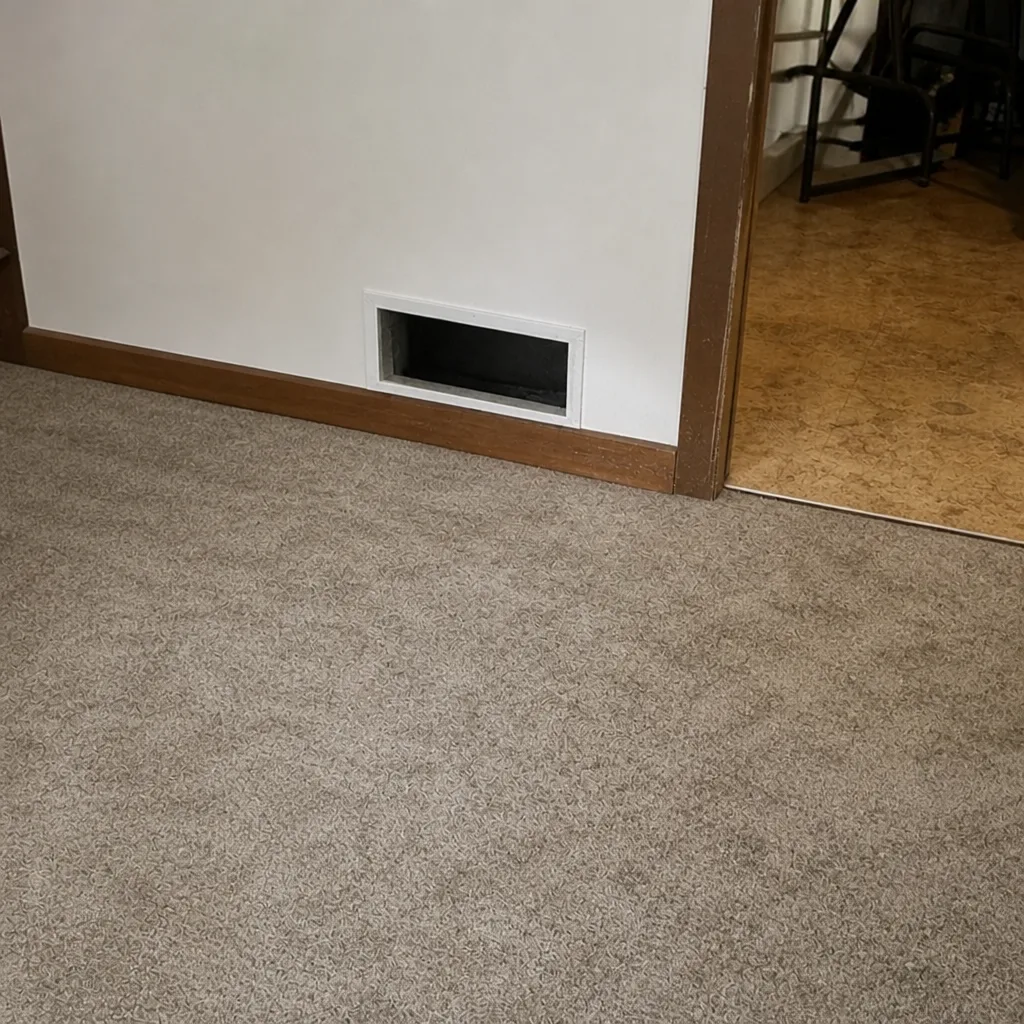
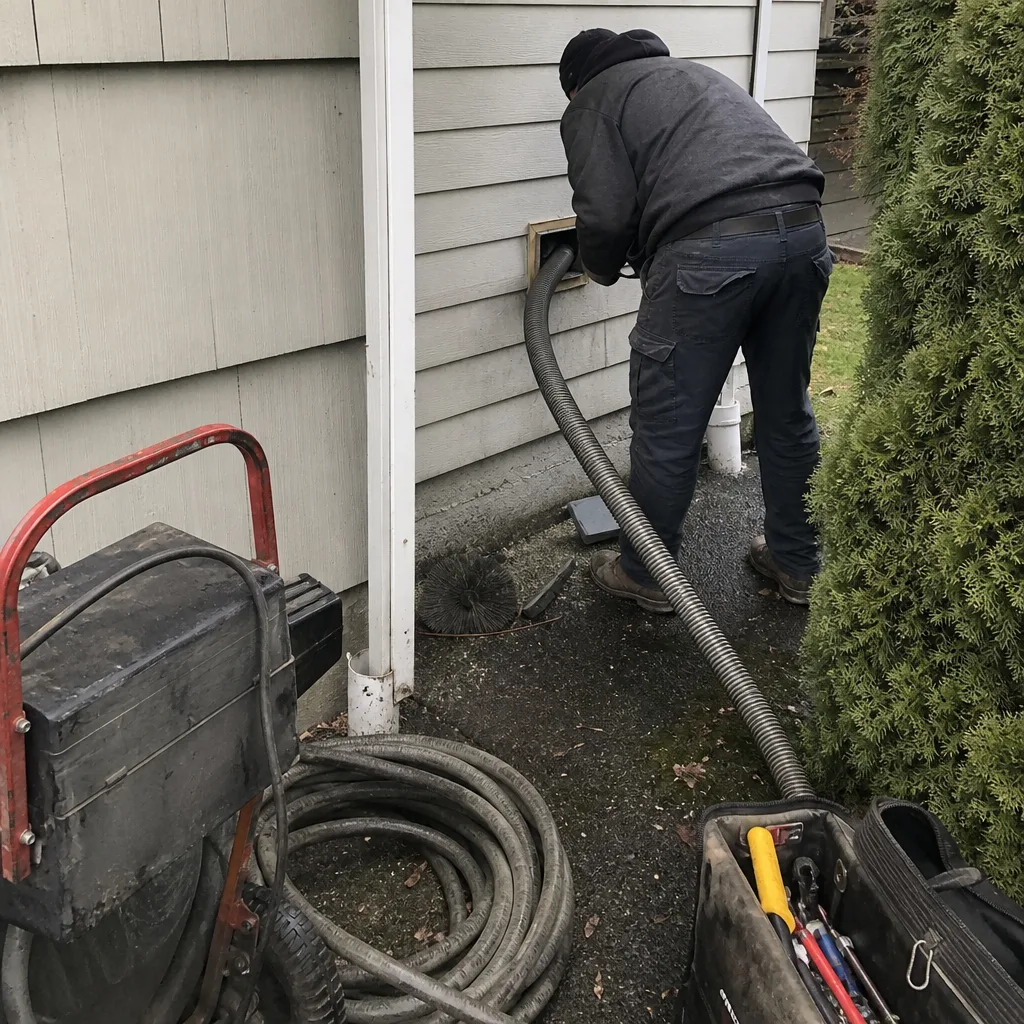
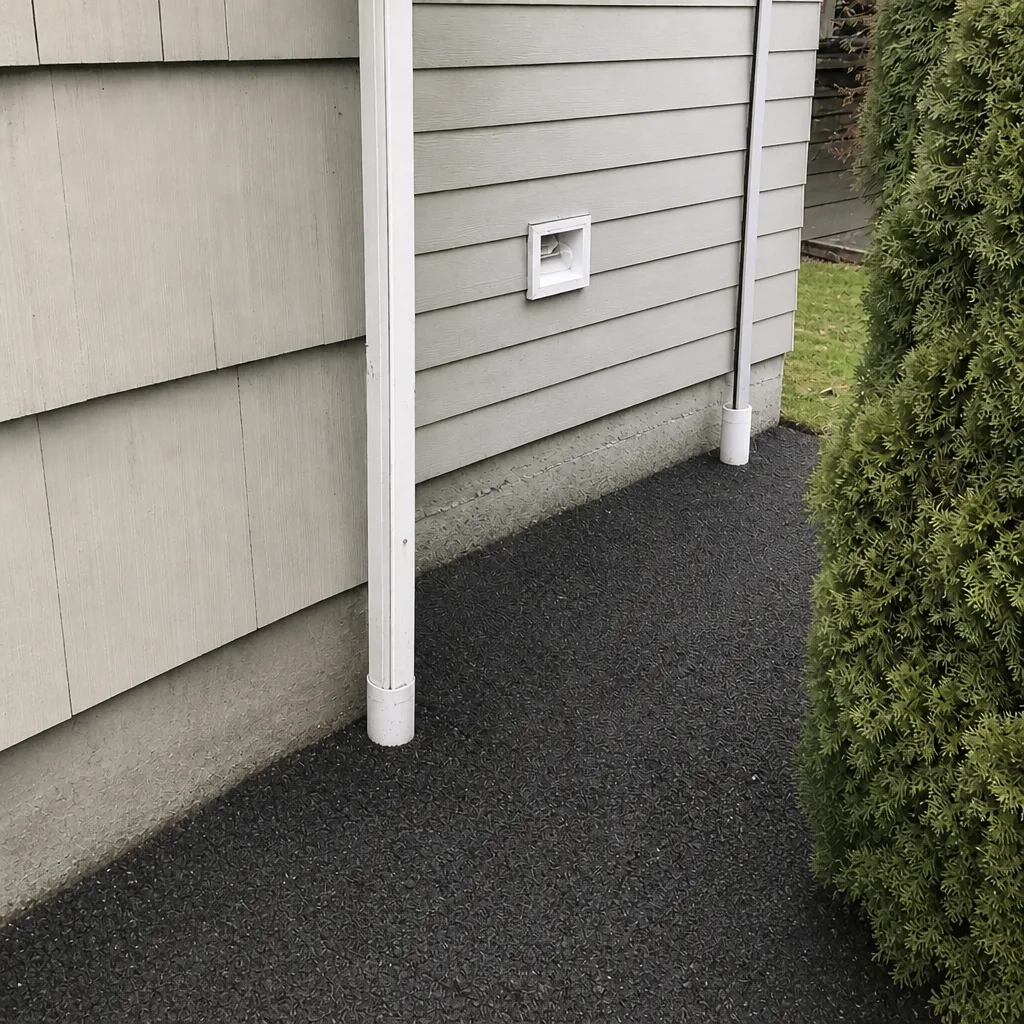
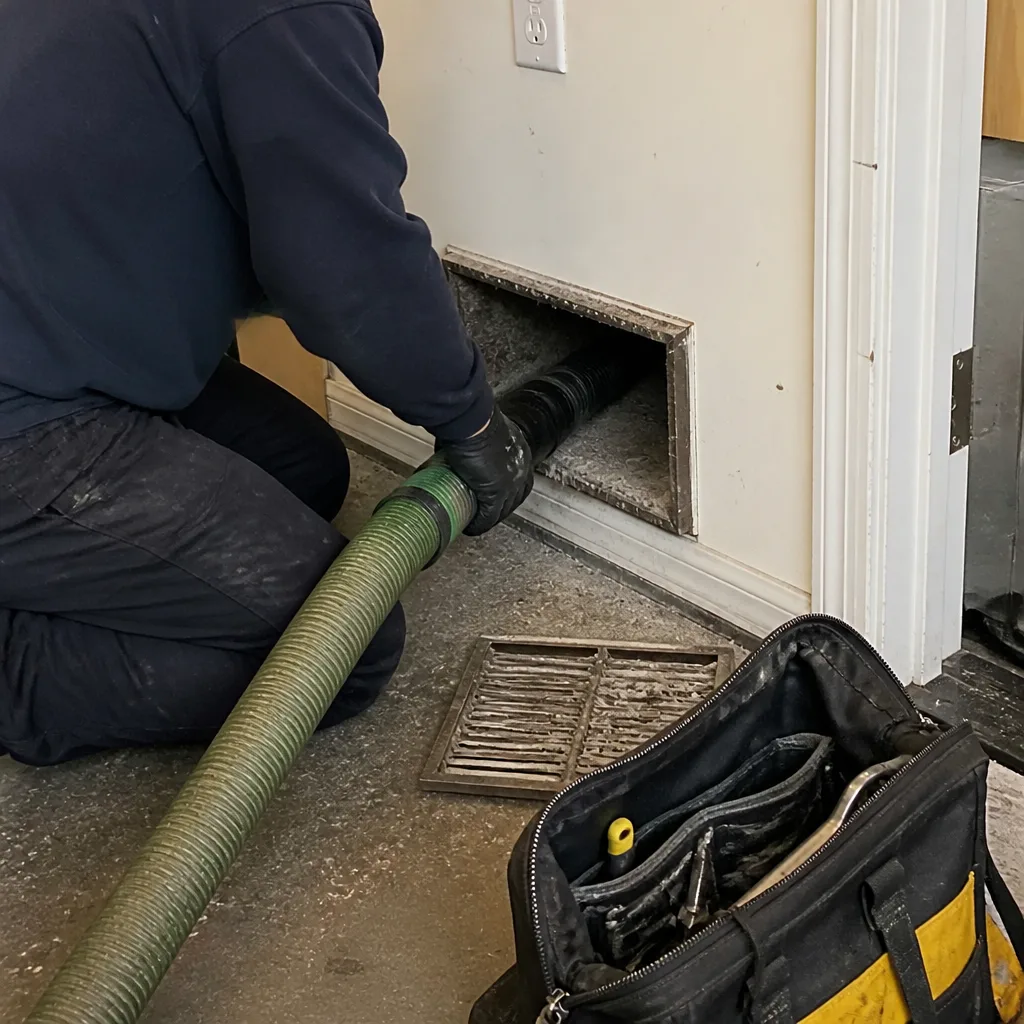
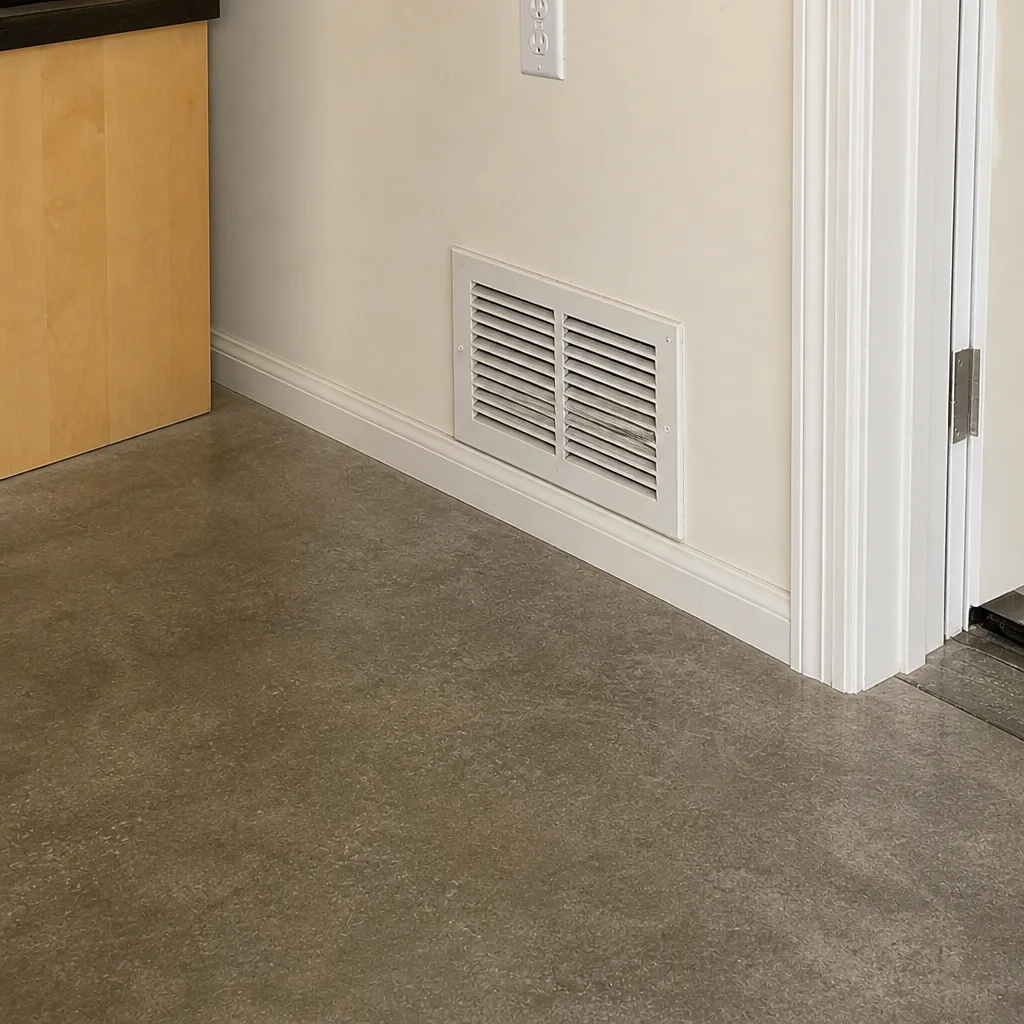
Whole-system duct and dryer vent check with before-and-after photos - you see exactly what came out of your vents
That "$99 whole-house special" is a bait ad - the real number appears once they are in your hallway, or the "clean" is a shop-vac at the register. We photograph the inside of your ducts before and after instead.
Air Duct Cleaning Warning Signs: A Renton Homeowner’s Reference Guide
Visible dust on your supply registers is not a warning sign. It’s normal accumulation, and wiping it off once a season is routine housekeeping. The warning sign is dust that comes back within days of wiping. That pattern points to active particulate movement from a system that’s overloading its ducts, not just surface settling. We wrote this guide to translate that difference and several others into something you can actually act on. Each symptom in your duct system has a specific mechanical cause, and the cause tells you how urgent the response is. By the end, you’ll know which signs are cosmetic, which are system-level, and which mean you should pick up the phone. We’ll use Renton examples throughout because our climate and housing stock shape what these symptoms look like here.
Quick Answer
The main warning signs of a duct problem are: dust that re-accumulates within days of wiping, rooms that stay measurably warmer or cooler than the rest of the house, musty odor that appears only when the heat runs, condensation or rust on supply registers, and pest evidence around duct joints or returns. Each symptom maps to a mechanical cause inside the system, not to a single seasonal annoyance. If two or more of these show up together, the system usually needs professional air duct inspection in Renton rather than another round of register wiping.
Styles & brands we work with
- Whole-home duct cleaning
- Dryer vent cleaning
- Camera inspection
- Sanitizing & deodorizing
Table of Contents
- Dust That Comes Back: Surface Accumulation vs. System-Level Movement
- Uneven Room Temperatures: What They Reveal About Duct Blockage
- Moisture Signs Specific to Renton’s Climate
- Pest Activity Indicators Inside Duct Systems
- Duct Warning Signs vs. HVAC Equipment Warning Signs
- Odor and Airflow: Reading the Smell and the Static Pressure
- How to Map Your Own System Room by Room
- Common Mistakes to Avoid
Dust That Comes Back: Surface Accumulation vs. System-Level Movement
Dust settling on a supply register is normal. Dust that reappears on the same register within three or four days of wiping is not. The first case is a function of how air moves across a metal or plastic surface; the second is a sign that the duct system is pushing particulate through faster than the house can filter it. When we explain this to homeowners, we draw a line between two very different situations.
Surface accumulation comes from four ordinary sources:
- Air passing across a register grille with a slight static charge that attracts dust
- Room-level dust from carpet, pets, and cooking that never enters the duct system at all
- Standard return-air pickup near floor level, where dust naturally settles
- Seasonal pollen load (Renton’s cedar and grass seasons are both substantial), which fades when the season does
System-level particulate movement looks different. The dust reappears within a few days, usually at the same registers, and often has a grey or tan color rather than the loose brown of settled household dust. There may also be a fine film on horizontal surfaces near the return nearest the air handler.
What causes the system-level version
- Overloaded filter or undersized return. When static pressure climbs, air rushes past gaskets and joints instead of moving in a controlled way, dragging dust along with it.
- Loose or disconnected duct joints. A gap between a trunk and a branch lets air leak into the attic or crawl space and re-enter the conditioned envelope through a low-pressure path.
- Debris buildup inside the trunk line. Years of fine dust on a duct wall, once disturbed by a filter change or a fan speed change, releases as a visible plume.
- Worn supply boots. The metal boots that connect the duct to the register often lose their sealant at the joint, and the loss is invisible from inside the room.
If the dust pattern follows the same registers every time, the cause is almost always duct-side. If it follows the room you spend most time in, the cause is more often room-side and a simple filtration review will do more than any duct service. That distinction is the whole basis for whether air duct cleaning makes sense for a given home, and it’s the first thing we’d want to establish before quoting the work.
Uneven Room Temperatures: What They Reveal About Duct Blockage
A room that runs four or five degrees warmer or cooler than the rest of the house is usually a duct problem, not an HVAC capacity problem. That’s the short version. The long version needs a little patience and a thermometer, and it pays off because it points straight at the cause.
Airflow in a forced-air system depends on a few things: the total static pressure available from the blower, the cross-sectional area of the duct serving each room, the length of the run, and the number of bends. When any of these changes, the room gets less air. Common duct-side causes of temperature imbalance include:
- Collapsed or crushed flex duct. In attics, flexible duct can sag under insulation or get stepped on during a service call. A crushed section loses almost all capacity.
- Closed or failed damper. A branch damper left partly closed, or one whose linkage has failed, starves the downstream rooms.
- Disconnected branch in the attic. The air goes into the attic, cools or heats it uselessly, and the room gets nothing.
- Undersized branch line. Common in older additions where a single new register was tied into a nearby branch without resizing.
- Register or grille blockage. Furniture, rugs, and even a well-intentioned magnetic vent cover can cause the effect.
Where this gets confusing in Renton is that our housing stock spans widely different construction eras. Homes built in the mid-century neighborhoods on the Highlands side often have metal trunk-and-branch systems with ducts chased into walls and, occasionally, undersized returns down in the crawl. Newer construction east of downtown tends to use flex duct in the attic. The symptoms look similar in both cases, but the failure points aren’t. In a metal system, look at the joints, dampers, and boot connections. In a flex system, look at the runs themselves for sag, crush, and connection tape that’s drying out.
How to map temperature imbalance room by room
- Pick a day with steady outdoor temperature and no direct sun through windows (an overcast afternoon in Renton works well).
- Let the HVAC system run for at least twenty minutes without changing the setpoint.
- Measure temperature at the register face in each room, holding the thermometer a few inches from the supply.
- Record the difference between the warmest and coolest rooms.
- Note which rooms are on the same branch or the same side of the house.
A spread of more than three or four degrees between a north-facing and a south-facing room on the same branch usually indicates a duct issue. A spread that follows the side of the house most exposed to afternoon sun is more likely load-related, which is a separate conversation.
Moisture Signs Specific to Renton’s Climate
Moisture symptoms in duct systems in Renton trace back to the local pattern of cool, damp air for most of the year followed by a dry, warm stretch in summer. Homes here run their heating system for many months of the year, which means the duct system spends a lot of time cycling warm, humid air through metal that can be at or below the dew point. That combination produces specific, readable warning signs.
Condensation on supply registers
Beads of water on the face of a supply grille usually indicate that the register surface is dropping below the dew point of the room air. In cooling season, this is normal for a short period right after the system starts, and it’s common in homes with an oversized A/C relative to the room load. Persistent condensation, or condensation that appears only on one or two registers, points at an issue: either a duct running through unconditioned space that isn’t insulated to the depth it needs for our climate, or a leak pulling humid outside air into the duct.
Musty odor that appears only during heating
A smell that shows up when the furnace kicks on and fades when it cycles off is a strong duct-side signal. During the off-season, the duct interior can accumulate a biological film on surfaces where moisture lingers. When the heated air runs through, that film volatilizes and the smell reaches the room. The same smell in every room, rather than only near one return, tells you the film is upstream in the trunk line and not in a single branch.
Rust on register grilles
Surface rust on a steel supply grille is different from the light oxidation you’ll see on old painted surfaces. Rust that follows the perimeter of the register frame, or that forms where the duct boot meets the drywall, means water has been sitting there. A quick check with a flashlight into the boot will usually show either a rusted-to-through seam or a damp interior. Neither is cosmetic; both point to moisture entering the duct somewhere upstream or to condensation that isn’t draining.
Renton’s shoulder seasons make this an easy symptom to miss. Humidity climbs before the heat comes on and drops again before the cooling season starts, so the window where the problem is obvious can be short. If you’ve seen it even once, it’s worth treating as a standing issue rather than a one-off.
Pest Activity Indicators Inside Duct Systems
Pest activity in a duct system is one of the more clear-cut warning signs once you know what to look for, and one of the easiest to miss if you don’t. The reason is that most of the evidence sits in places a homeowner doesn’t routinely inspect: the attic-side connections, the return plenum, the crawl space runs, and the boot behind a register.
The main indicators to check for are:
- Droppings on top of duct runs in the attic, or at the base of a vertical chase. Rodent droppings are typically small, dark, and clustered near an entry point.
- Nesting material at duct joints – bits of insulation, shredded paper, and fibers, often held together with a distinctive matted texture.
- Gnaw marks on flex duct or on the foil facing of rigid duct. Rodents chew through flex quickly because it’s soft and warm.
- Entry-point damage where a duct enters a wall or soffit – torn insulation, gaps at the collar, or a small hole in the surrounding sheathing.
- Insect evidence – frass, shed casings, or wings in the return-air plenum or near the air handler.
What makes a duct-side pest issue different from a life-side pest issue is location. A mouse in the kitchen is a general pest problem. A mouse trail on top of the trunk line in your attic, with evidence of a connection gnawed loose, is a duct problem too. That matters because cleaning without sealing the entry point just resets the clock, and the next round arrives sooner.
Where to look, in order
- Around the air handler. The return plenum is the area most accessible and most frequently intruded. A flashlight and fifteen minutes will tell you a lot.
- Attic runs. Look along the top of the duct where droppings will show plainly against foil or metal.
- Crawl space branches. Renton has a lot of crawl space construction, and the branches there are often the least visible part of the system. Look for sagging insulation, torn vapor barrier, and droppings near the foundation vents.
- Boot connections at each register. Pull the register face and look inside the boot for debris or nesting material.
If you find evidence of an active infestation, the sequence matters: exclude first, then clean. We handle the cleaning side with equipment rated for the job, and we’ll flag when a pest control professional needs to come first.
Duct Warning Signs vs. HVAC Equipment Warning Signs
Duct symptoms and HVAC equipment symptoms overlap frequently enough that homeowners, and sometimes technicians, misattribute the cause. Knowing which is which saves money because it points to the right professional before anyone starts opening panels.
Here’s the practical test. HVAC equipment problems show up as symptoms that follow the equipment itself: the blower, the burner, the coil, the compressor. Duct problems show up as symptoms that follow location and distribution. If the symptom changes when you change which room you’re standing in, it’s more likely duct. If it changes when the equipment cycles, it’s more likely equipment.
| Symptom | More likely duct | More likely HVAC equipment |
|---|---|---|
| One or two rooms always cooler or warmer | Yes | Rarely |
| Whole house cool or warm, system running | Rarely | Yes |
| Odor when heat starts | Yes (biological film in ducts) | Sometimes (heat exchanger dust burn-off at first run) |
| Odor when A/C starts | Sometimes | Yes (evaporator coil issue) |
| Whistling at a register | Yes (static pressure) | Sometimes (blower speed) |
| Excessive dust within 3-4 days | Yes | Sometimes (filter bypass) |
| System short-cycling | Rarely | Yes |
| Weak airflow at every register | Sometimes (trunk blockage) | Yes (blower or coil) |
One of the reasons this distinction matters in Renton is that a lot of homes here run Honeywell or Aprilaire whole-home air quality equipment, and the failure modes of that equipment overlap even more with duct symptoms. A clogged Aprilaire humidifier pad, for example, can send moisture past its designed balance point and read as a duct moisture problem. A Honeywell filtration cabinet with a bypass gap does the same for dust. Understanding the interaction between premium air quality hardware and the duct system it feeds is part of what we’re trained on, and it’s the kind of thing a generalist misses.
Odor and Airflow: Reading the Smell and the Static Pressure
Odor is a symptom with two independent dimensions in duct work: what the air smells like, and how much of it moves. Diagnosing an odor requires tracking both, because some of the classic causes show up as one or the other, and some as both.
The four most common odor patterns and their duct-side causes:
- Musty, only during heating. Biological film on the duct wall, volatilized by warm air. Usually upstream in the trunk, not local.
- Musty, all the time. More often an issue in the air handler cabinet or the cooling coil, where standing water exists.
- Chemical or “new” smell. Recently installed duct or a sealing product off-gassing. Usually fades, sometimes accelerates.
- Dusty or “dirty sock” smell. Typically a combination of duct debris and a coil that needs attention, more common in homes with high runtime and low filtration.
The other half of the picture is airflow. If airflow at a single register has dropped noticeably while others are unchanged, the issue is in that branch. If airflow at every register has dropped together, the issue is upstream of the branch or is equipment-side. In our experience, homeowners notice a single-register drop quickly and a whole-house drop slowly, because it arrives gradually and gets blamed on the weather. A simple airflow check (hold a piece of tissue to the register face and note the deflection) done once a season for each room will catch the whole-house version earlier than you’d otherwise.
How to Map Your Own System Room by Room
Mapping your own system gives you something any professional would value: a written record of how your system performs across seasons. It costs an afternoon and a notebook, and it makes every future diagnosis faster.
- Draw the floor plan. Sketch each room on a single sheet, and mark every supply register and every return grille. If your basement or crawl access is accessible, note where the trunk line runs.
- Label each register. Give each one a short identifier (e.g., “living-N”, “bed2-W”) so your notes stay consistent across seasons.
- Measure airflow at each register. The tissue test is enough for a rough grade: strong, moderate, weak. Note which ones are noticeably weaker than the average.
- Measure temperature at each register. Same day, same run cycle, twenty minutes into a steady cycle.
- Note dust and moisture observations. Write down which registers re-accumulate dust quickly, which show condensation, which have visible rust.
- Repeat seasonally. One pass in heating season, one in the shoulder, one in cooling season. The differences carry more information than any single pass.
Once you’ve got that sheet, the diagnosis gets much shorter. Weak airflow plus cold register plus a register that’s far from the air handler on the same trunk is a branch problem. Normal airflow plus persistent condensation is a moisture or insulation problem. Dust reappearing everywhere plus normal airflow is a filtration problem. Match the pattern, and the repair follows.
If you’d rather skip the mapping and go straight to a professional read, that’s what we do for a living. Our Duct Cleaning Renton team works with Rotobrush rotary brush systems for mechanical agitation, Nikro HEPA vacuum capture, and Abatement Technologies air scrubbers positioned on-site to contain particulates during the work. The difference shows up in what stays out of your living room, not just what leaves your ducts.
Common Mistakes to Avoid
- Wiping registers instead of checking the cause. A wipe resets the surface but never addresses the source. If the dust is back within days, spend the effort on the diagnosis, not the rag.
- Assuming a whole-house filter upgrade fixes everything. An upgraded filter cabinet from Honeywell or Aprilaire only performs as designed when the duct system upstream isn’t leaking air past it. Filtration and sealing are separate work.
- Choosing the lowest duct cleaning quote without asking what equipment it uses. A shop vac with a modified hose isn’t the same job as a purpose-built rotary brush system feeding a HEPA-rated vacuum. Ask what they’ll run, and ask how they’ll contain dislodged material.
- Ignoring the dryer vent because it’s not “part of the duct system.” Dryer vent cleaning addresses a fire-safety risk that’s independent of what’s happening in your supply ducts. In Renton’s older homes with long, bends-heavy dryer runs, this is one of the higher-value checks you can do.
- Waiting for the musty smell to “go away on its own.” A biological film in the duct doesn’t self-clear. It cycles through a wet season, dries, and comes back when the next humid stretch arrives.
- Treating a pest issue by cleaning alone. If rodents have chewed a boot connection, cleaning and closing up leaves the entry point live. The sequence is exclude, seal, then clean.
- Skipping the crawl space. In Renton’s crawl-space construction, that’s where the least-visible duct problem usually lives. If a professional doesn’t propose looking there, ask them to.
See the difference
 Before
 After
 Before
 After
 Before
 After
When to Call a Professional
Call a professional when any two of the warning signs on this page appear together, and call sooner if you see active moisture, pest evidence, or an obvious duct collapse in the attic. Also call if you’ve been plugging filters more often than usual, if your Honeywell or Aprilaire air quality equipment seems to be fighting your duct system rather than supporting it, or if a quote you’ve been given was much lower than the others and you couldn’t get a straight answer about equipment or containment. And call on your dryer vent if you’ve never had it checked. Those are the situations where the diagnosis determines the fix. Duct Cleaning Renton offers free estimates in Renton – call (866) 942-6902. We answer 24/7. Fast dispatch from 7am to 7pm, Sunday through Friday. Duct repair is one of the three services we offer, alongside cleaning and dryer vent work, so we can tell you when the right answer is to repair rather than clean. The written estimate sets the final price, and it’s per job, not per vent.
Frequently Asked Questions
Most whole-home duct cleaning in Renton falls in the range of a few hundred dollars for a standard system, with larger or more complicated systems costing more. The total depends on the number of trunk and branch runs, accessibility in the attic or crawl, and whether repair work is needed. We give one flat price per system, agreed before work starts, and the written estimate sets the final price. Call (866) 942-6902 for an exact quote – estimates are free.
Cheap quotes usually reflect cheaper tools. A truck-mounted vacuum without rotary agitation cleans the surface of the duct, not the walls. A shop vac style system captures less and recirculates more. Neither is the same job as a purpose-built rotary brush feeding a HEPA-rated vacuum under containment. The low price isn’t a discount on the same work; it’s a lower-priced version of different work. Ask any provider what equipment they’ll run and how they’ll contain dislodged material, and then compare. Call (866) 942-6902 for a straight answer on what our version of the job includes.
Ask for before-and-after photos of your own ducts, not stock images. You should also ask what filters the technician will change when they’re finished, and whether the registers will be pulled for inspection. A professional run leaves traceable evidence of work inside the system. We take photos of the actual duct interior on the job. Call (866) 942-6902 and we’ll walk you through what that documentation looks like.
Most homes can go several years between cleanings unless they have pets, recent remodeling, a pest issue, or visible re-accumulation. The warning signs in this guide are the better guide than a fixed schedule. A Renton home with strong filtration and no pets is usually on the longer end. A home that recently finished a kitchen remodel is on the short end. Call (866) 942-6902 and we’ll help you judge where yours falls.
Yes, in two specific ways. First, our long heating season means duct interiors spend a lot of time cycling warm, humid air across metal surfaces, which favors condensation and biological film. Second, the shoulder seasons compress the window where moisture and odor symptoms are obvious, so issues that would be caught early in a drier climate can go unnoticed through an entire season. That’s why the seasonal mapping exercise in this guide pays off here more than in drier climates. Call (866) 942-6902 if you’re seeing the pattern.
Yes. The symptoms overlap, and the practical way to tell is to watch what changes: room location or equipment cycle. If one room is out of balance, suspect duct. If the whole house is out of balance while the system runs, suspect equipment. A clogged Aprilaire pad or a Honeywell filter cabinet with a bypass can look like a duct problem. Call (866) 942-6902 and we’ll help you sort the difference before anyone starts work.
It’s a separate system with a separate risk profile, but it lives in the same house and often gets forgotten in exactly the way duct issues do. Dryer vent cleaning is a fire-safety service, not an add-on. If it’s been a while, it’s worth a look alongside your duct inspection. Call (866) 942-6902 and we’ll quote it straight.
The Bottom Line
Most duct warning signs get described in vague language, and vague language makes it hard to know what to do. The useful version is more specific: dust re-accumulating within days means active particulate movement; a three-degree spread between rooms means a branch problem; condensation that persists means moisture entering the system; odor that appears only when the heat runs means biological film in the trunk; pest droppings at a joint mean clean-and-seal, not just clean. Map your own system once, watch for the patterns, and call when two or more align. That’s the whole diagnostic method, and it works whether you’re near the Highlands, the Renton Highlands, downtown, Kennydale, or anywhere else in the area. Explore more of our work and coverage at Renton, and if you’re ready for a professional look, we’re one call away.
When you’re ready, call (866) 942-6902 for a free estimate. We answer 24/7. Fast dispatch from 7am to 7pm, Sunday through Friday. Duct cleaning, dryer vent cleaning, and duct repair – one flat price per system, agreed before work starts, with professional-grade Rotobrush and Nikro equipment and Abatement Technologies containment on every job.
Written by the team at Duct Cleaning Renton.