
Last updated November 15, 2026
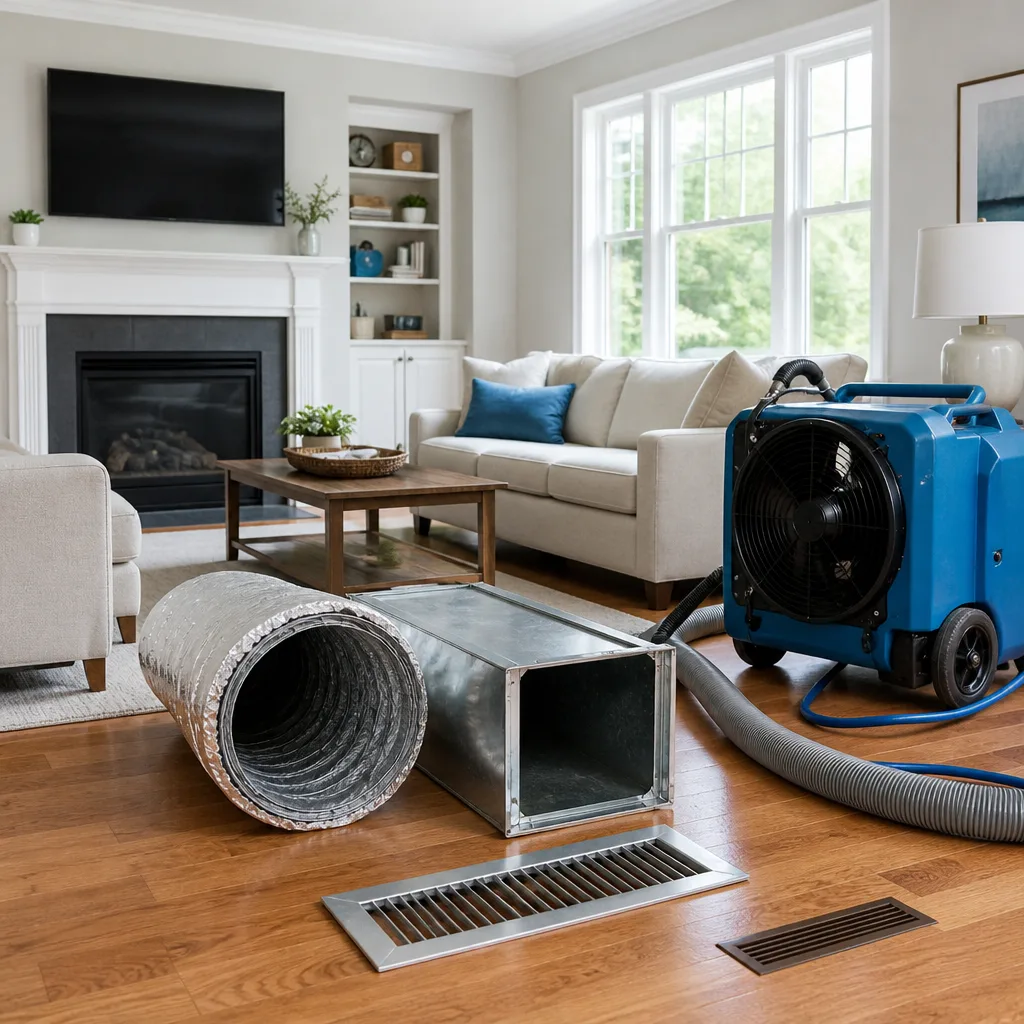 Whole-home duct cleaning
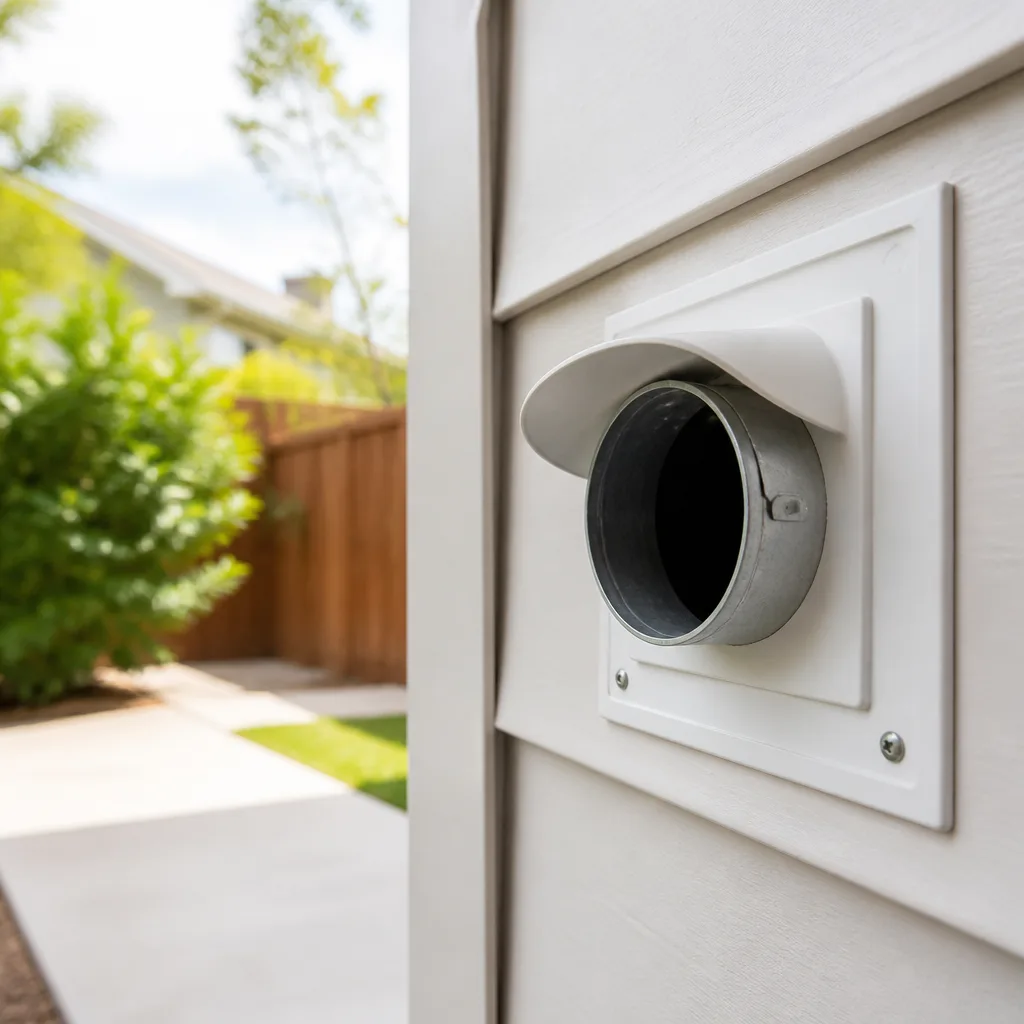 Dryer vent cleaning
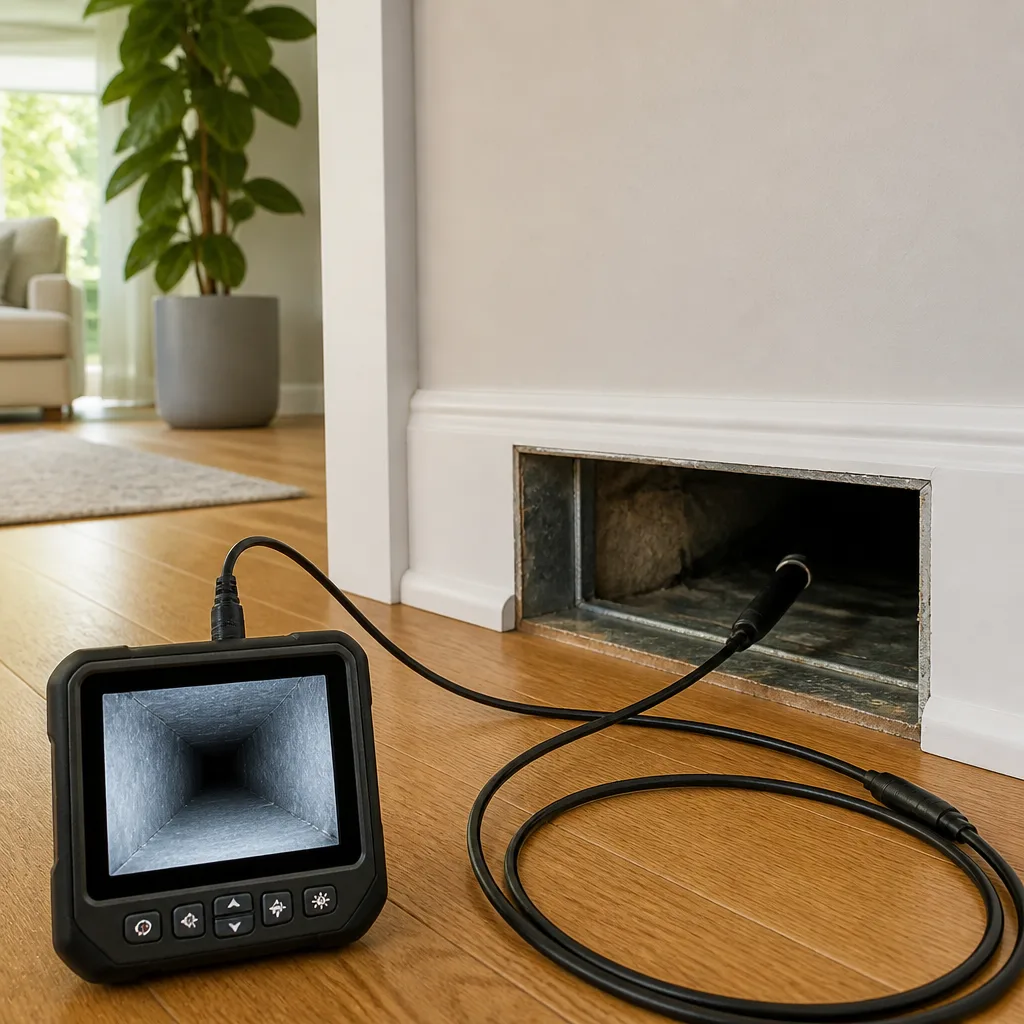 Camera inspection
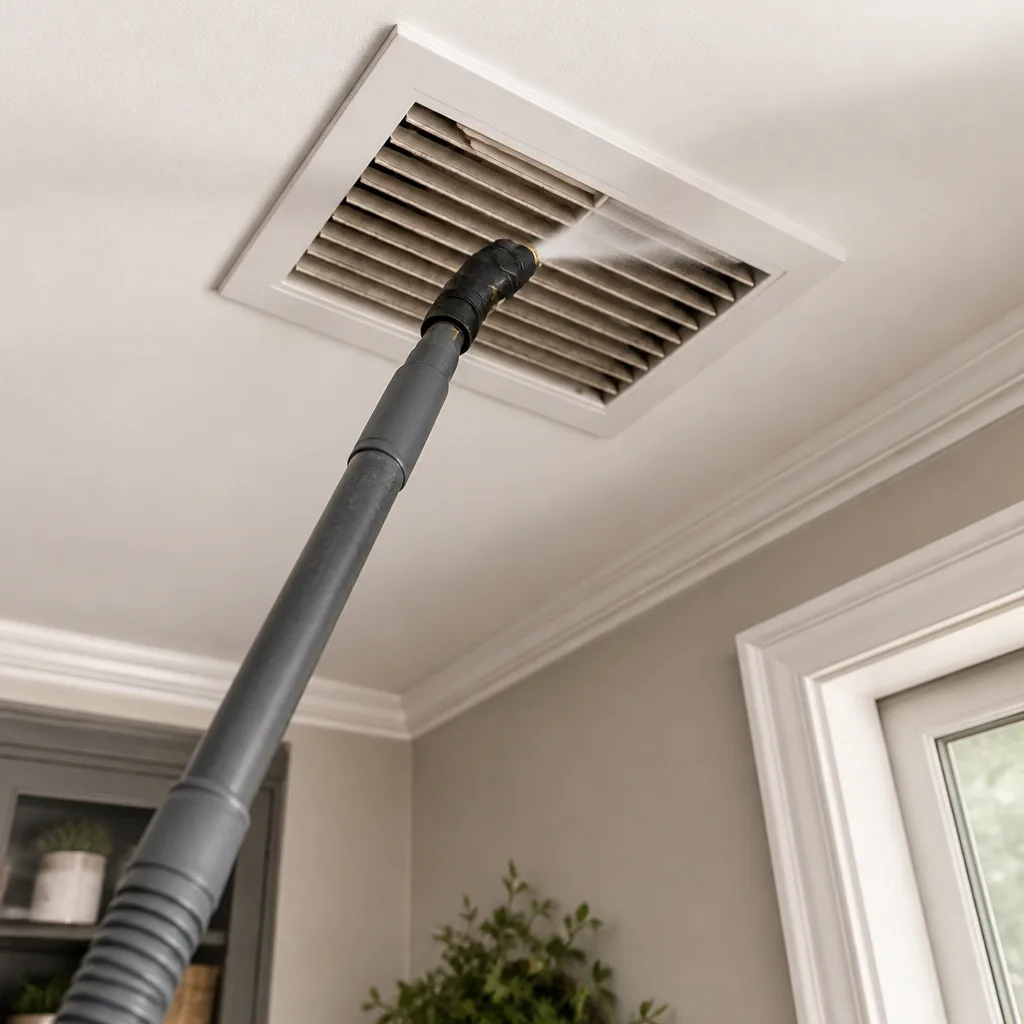 Sanitizing & deodorizing
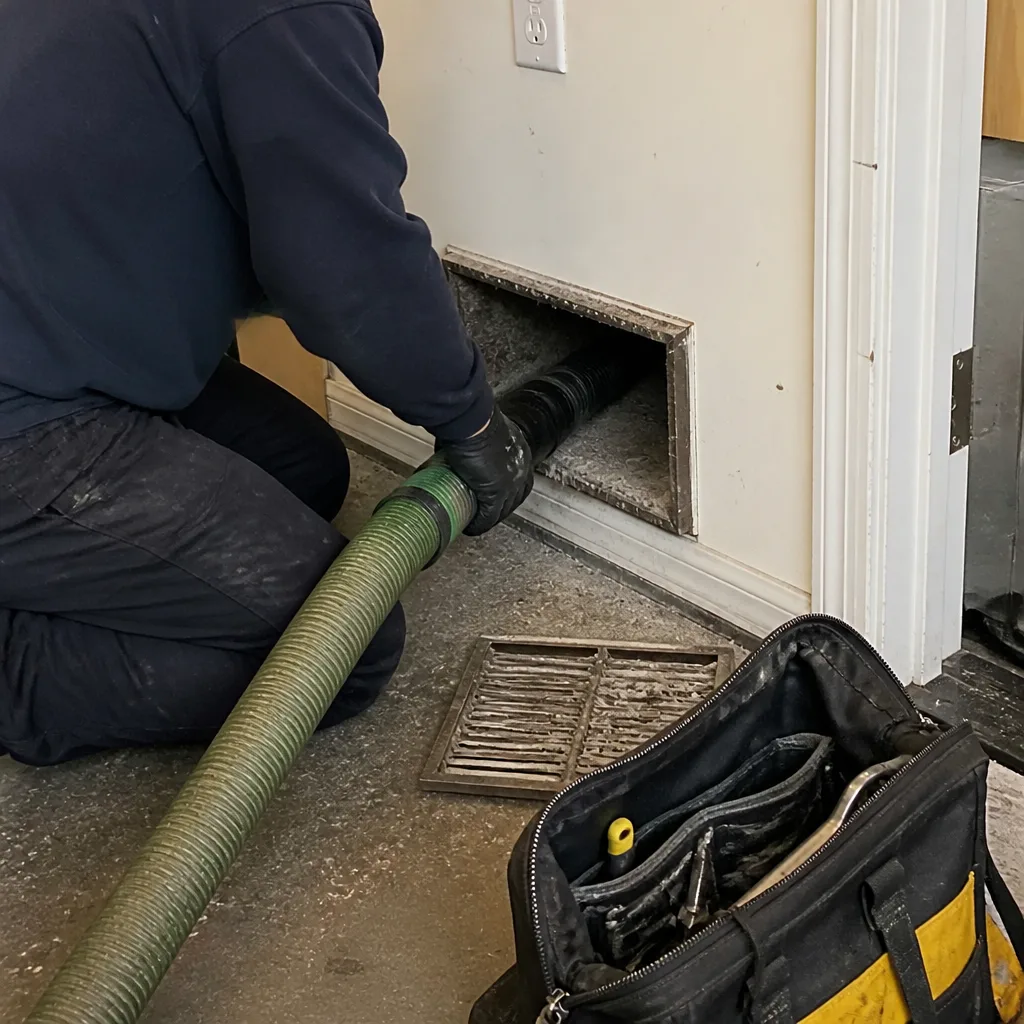
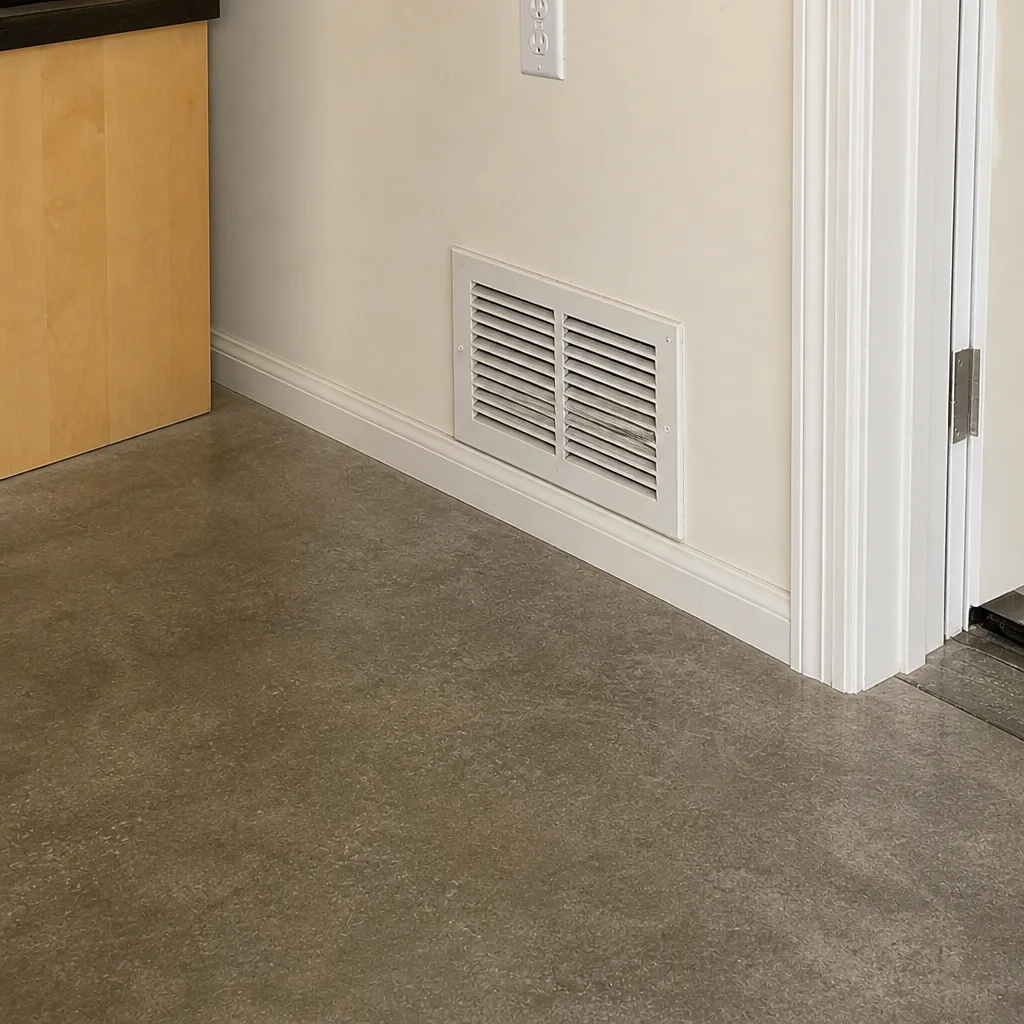
Whole-system duct and dryer vent check with before-and-after photos - you see exactly what came out of your vents
That "$99 whole-house special" is a bait ad - the real number appears once they are in your hallway, or the "clean" is a shop-vac at the register. We photograph the inside of your ducts before and after instead.
The Complete Guide to Air Duct Cleaning in Renton
Most air duct guides tell you to clean your ducts every three to five years. That interval comes from industry averages, and it has almost nothing to do with a house in Renton that spent August under wildfire smoke and runs a forced-air system through a wet season that drags on for months. Two homes on the same block can need very different service because one has rigid metal ductwork and the other was built with flex duct that has been quietly sagging since the 1980s. What follows isn’t a generic checklist. It’s a guide to what actually accumulates inside Renton ducts, why the extraction method matters more than the calendar, and how to tell a real cleaning from a shop vac with a logo on it.
Quick Answer
Air duct cleaning in Renton should be driven by what’s in your ducts, not a fixed schedule, because this climate loads ductwork with moisture and wildfire smoke that drier inland cities never deal with. A proper job uses negative-pressure extraction with contractor-grade equipment, plus containment filtration so dislodged particulates leave the house instead of landing in your living room. Most Renton homes benefit from an inspection first and a cleaning based on what that inspection finds.
Styles & brands we work with
- Whole-home duct cleaning
- Dryer vent cleaning
- Camera inspection
- Sanitizing & deodorizing
Table of Contents
- Why Renton’s Climate Changes What’s Inside Your Ducts
- What Older Renton Housing Stock Means for Your Ductwork
- How Wildfire Smoke Behaves Inside Ducts
- Negative-Pressure Extraction vs. Portable Units: What Each Actually Removes
- What a Legitimate Post-Cleaning Inspection Looks Like
- Dryer Vents: The Duct Most Renton Homes Forget
- When Cleaning Isn’t Enough: Duct Repair
- How Much Does Air Duct Cleaning Cost in Renton?
Why Renton’s Climate Changes What’s Inside Your Ducts
Renton sits in a marine climate where the wet season runs long and the air stays damp for months at a time. That moisture doesn’t stay outside. It migrates into ductwork every time the system cycles, especially in unconditioned runs through crawlspaces and attics where the temperature differential drives condensation. In drier inland cities, dust is the main contaminant. In Renton, dust arrives with a moisture problem riding along with it.
That combination creates the conditions mold and mildew favor: a food source in settled dust, a surface to grow on, and enough humidity to sustain both. Flex duct that sags or has a torn outer jacket can hold damp air against the inner liner, which is where a musty smell coming from your registers usually starts. Homes in the Renton area with crawlspace ductwork tend to show this first, because the crawlspace itself stays humid through the wet months.
This is the core reason we tell homeowners to pay attention to what’s physically present before booking anything. A duct interior that’s dusty but dry needs a different approach than one with visible microbial growth on the liner. Here’s what typically shows up:
- Damp dust buildup on duct walls, which clumps rather than disperses and resists light cleaning
- Mold-favorable conditions in cold runs through crawlspaces and unheated spaces
- Musty odors at registers, often strongest when the system first kicks on
- Condensation staining around the air handler and supply plenum connections
- Sagging flex duct that traps moisture in low spots
Once you know which of these you’re dealing with, the cleaning itself makes sense. Without that, you’re guessing at the method.
What Older Renton Housing Stock Means for Your Ductwork
A large share of Renton homes were built before 1990, and neighborhoods across the city show very different duct systems depending on when they went up. In Highlands and Talbot Hill, you’ll find plenty of homes from the mid-century and later decades where the original ductwork has been retrofitted, patched, or extended over the years. Each modification left a new seam, a new joint, or a change in duct material that affects how a cleaning has to be run.
Older flex duct is the big one. Flex duct from earlier decades has a thin plastic inner liner bonded to wire helix, wrapped in insulation and an outer jacket. Over time, that inner liner can:
- Degrade and flake where airflow is highest, sending particles downstream
- Separate from the helix, creating pockets that trap debris and reduce flow
- Tear at joints during careless cleaning, which is why a rotary brush has to be run at the right speed and pressure
- Compress and sag, which cuts airflow and lets moisture pool in low sections
This is why we don’t treat every duct run the same way. A rotary brush system needs to be worked through flexible runs with enough control that it scrubs the walls without catching on a compromised liner. That’s a different skill from running a brush through rigid galvanized trunk line. If your home is in one of Renton’s older neighborhoods, ask whoever cleans your ducts whether they inspect the flex runs for liner condition before they brush them. Any cleaning that ignores that step can do real damage.
If your flex duct is already failing, the fix isn’t a heavier cleaning. It’s air duct cleaning followed by repair or replacement of the compromised sections, which we cover further down.
How Wildfire Smoke Behaves Inside Ducts
Wildfire smoke season has become a fixture in the Puget Sound region, and the particulate it carries behaves differently from ordinary household dust. Dust is relatively large and settles. Smoke particulate is fine enough that it stays airborne, and inside a duct system it doesn’t just coat the walls. It embeds into the settled dust layer, sticks to any slight oily or moisture film on the liner, and works its way into the seams and joints where the air pressure changes as the system cycles.
That last part matters. A shop vac pulls air and light debris from the open surfaces of the duct. It won’t reach particulate that has lodged into a seam, and it won’t dislodge what’s bonded to the liner. Rotary mechanical agitation does, because the brush physically scrubs the duct wall, loosening the embedded layer so a HEPA-rated vacuum can capture it.
There’s a second problem: when you disturb all that particulate, it becomes airborne again inside the home. Without containment, dislodged smoke residue ends up in the living space as you clean. This is why we run Abatement Technologies air filtration on-site during service, containing airborne contaminants rather than recirculating them through the house. The particulate comes out of the ducts and out of the home, not into the air your family breathes while the work is happening.
Homes running whole-home air quality equipment, particularly Honeywell and Aprilaire systems, deserve special attention here. Those systems pull air through filters and media cabinets that can load faster during a heavy smoke season. When the ductwork behind them is cleaned properly, the equipment performs the way it was designed to. When it isn’t, the filter is working harder than it should against a dirty supply.
Negative-Pressure Extraction vs. Portable Units: What Each Actually Removes
Not all duct cleaning machines are built for duct cleaning, and the gap between them is large. This is where most of the industry’s bait-and-switch reputation comes from: a low starting price paired with equipment that can’t do the job the price implies. Here’s what the two approaches actually accomplish.
Portable shop-vac-style units
- Pull light surface dust from accessible areas
- Generate limited suction over long duct runs, so pressure drops off with distance from the hose end
- Offer no containment for particulate dislodged into the living space
- Bypass whatever is bonded to duct walls, seams, and liner surfaces
- Provide no mechanical agitation to break up the contamination layer
Contractor-grade negative-pressure extraction
- Puts the entire duct system under negative pressure, so air moves inward toward the vacuum rather than outward into the house
- Maintains strong airflow across long runs, so distant registers get cleaned too
- Pairs with rotary brushes (we use Rotobrush systems) that mechanically scrub duct walls
- Captures dislodged particulate with Nikro HEPA-rated vacuum equipment
- Works with Abatement Technologies air scrubbers running containment in the living space
The practical difference is what’s left behind. A portable unit leaves the settled layer mostly intact and removes the easy dust from the duct’s bottom surface. Negative-pressure extraction with mechanical agitation removes the contamination layer that’s bonded to the walls, then captures it. That’s the difference between making your ducts look cleaner and making them actually clean.
When a quote comes in well below what the work should cost, ask what equipment is being used. Professional-grade equipment, not a shop vac with a logo on it, is the honest answer to why a real cleaning costs what it does.
What a Legitimate Post-Cleaning Inspection Looks Like
Photos are the standard proof in this trade, and a before-and-after photo is easy to produce and easy to fake. A legitimate inspection is more than that. Here’s what to look for when the work is done.
- Physical access points are exposed and inspected with you, including main trunk line, branch runs, plenum connections, and the air handler cabinet where applicable
- Interior surfaces are visible in at least the trunk line and a sample of branch runs, with before-and-after photos of your own ductwork rather than stock images
- Flex runs are checked for liner condition, and any damage found during cleaning is documented and explained before anyone brushes a fragile section
- Registers and return grilles are cleaned as part of the job, not left as a visual tell that only the ductwork was touched
- The technician walks you through what was found, what was removed, and whether anything needs repair, rather than handing you a photo folder and a receipt
- Written documentation of what was done and what was observed, so you have a record of the condition of your system
We repair ducts, not just clean them, and that shows up in the inspection. If a technician spots a separated joint, a torn liner, or a collapsed run, you should hear about it with enough detail to decide what to do next. If the only thing you get is a photo of a clean duct and a request for payment, something is missing from that inspection.
Dryer Vents: The Duct Most Renton Homes Forget
Your dryer vent is a duct too, and it’s the one that carries a documented fire-safety risk when lint accumulates. Lint is highly combustible, and it builds up in the vent run even when you clean the lint trap every load. Longer vent runs, multiple elbows, and vents that terminate with a screen or flap all collect more than a short straight run to the outside.
In a wet climate like Renton’s, there’s an added complication. Vents that aren’t properly sealed or that run through cold spaces can allow damp air to condense in the line, which makes lint cling to the walls rather than blow out. Over time the run narrows, the dryer works harder, and the risk goes up.
Signs your dryer vent needs cleaning:
- Clothes take noticeably longer to dry than they used to
- The dryer body gets hot to the touch during a cycle
- Lint collects around the outside vent, or the exterior flap doesn’t open fully
- A burning or musty smell during operation
- It’s been a long time since the vent has been cleaned at all, especially in a household with heavy laundry volume
We treat dryer vent cleaning as a fire-safety service, not an upsell. If you’re already having your ducts cleaned, that’s the moment to have the vent checked too. It’s the same equipment, the same visit, and the same containment, and the risk it addresses is more serious than the one most homeowners call about.
When Cleaning Isn’t Enough: Duct Repair
Cleaning can only clean what’s intact. When duct material has failed, the right next step is repair, and cleaning first matters because you can’t seal a contaminated system in place. Here’s what repair typically addresses in Renton homes:
- Separated joints where sections of duct have pulled apart, leaking air into crawlspaces or wall cavities
- Torn or degraded flex liner, which shed particles into the airstream and can’t be cleaned effectively once compromised
- Collapsed or crushed runs, usually from a poorly supported flex duct or a section that was stepped on or kinked during construction work
- Leaking air handler connections where the supply and return plenums meet the equipment
- Undersized or extended runs from past renovation work that created pressure problems
Leaks matter for more than efficiency. A duct that leaks in a crawlspace pulls humid, mold-favorable air into the system with every cycle. Every joint that gets sealed back to a proper standard closes a route for contamination to enter. That’s why we handle air duct cleaning and repair as connected services. Cleaning a system with open joints leaves the problem in place, and sealing a system that’s still contaminated locks the contamination inside.
Our technicians have up to 12 years of experience working with systems across all three service lines, and they’re trained on Honeywell and Aprilaire compatibility. That matters when the equipment behind the ducts is a premium whole-home system that needs to keep working as designed once the ductwork is restored.
How Much Does Air Duct Cleaning Cost in Renton?
Air duct cleaning in Renton is priced per system, not per vent, and the estimate you receive in writing before work starts is the price you pay. A whole-system clean for a typical home generally lands somewhere in the mid-hundreds of dollars, with the exact figure depending on the number of runs, the size of the system, the condition of the ductwork, and whether repair or dryer vent service is included. We don’t quote a teaser number and then hand you a much larger invoice once the technician is on site, and we don’t price by the register, because a house with ten registers isn’t automatically twice the work of a house with five.
Here’s roughly how the three services break down:
| Service | What determines the price |
|---|---|
| Whole-system air duct cleaning | Number of runs, system size, duct material, condition found during inspection |
| Dryer vent cleaning | Vent length, number of elbows, access, and how heavily the line has loaded |
| Air duct repair | How many sections need work, whether flex or rigid, and access to the affected runs |
Why are some quotes so much cheaper? Usually because they’re priced for a lighter job: a portable vacuum, no mechanical agitation, no containment. Or because the quote is a door-opener that grows once the technician is inside. Either way, the number you were promised and the work you receive don’t match. Ask what equipment is being used and whether the price is per system or per vent before you book anything, and get it in writing.
For an exact figure on your home, call Duct Cleaning Renton and we’ll talk through your system and give you a free estimate.
Common Mistakes to Avoid
- Cleaning on a fixed calendar instead of an inspection. A three-to-five-year rule ignores that a smoke-heavy August and a long wet season load Renton ducts faster than a dry inland climate does. Inspect first, then decide.
- Booking on price alone. The lowest quote almost always means a portable vacuum, no rotary agitation, and no containment. You’ll pay for an hour of surface dusting and get a photo that makes it look like a full clean.
- Skipping the flex duct condition check. In older Renton homes, brushing a degraded liner without checking it first can tear it and send liner particles through the whole system. Skip any contractor who brushes without looking.
- Ignoring the dryer vent. Homeowners book duct cleaning and forget the vent behind the dryer, which holds more fire risk than the whole supply system does. Have it cleaned in the same visit.
- Sealing or repairing without cleaning first. If a contractor seals up a system that’s still contaminated, the contamination is now closed in. Cleaning and repair have to happen in the right order.
- Accepting stock before-and-after photos. A legitimate service shows you pictures of your own ductwork and walks you through what was found. Generic images prove nothing.
- Assuming your Honeywell or Aprilaire equipment is doing all the work. Whole-home air quality equipment is only as good as the ductwork feeding it. A clean supply lets the system perform the way it was designed to.
See the difference
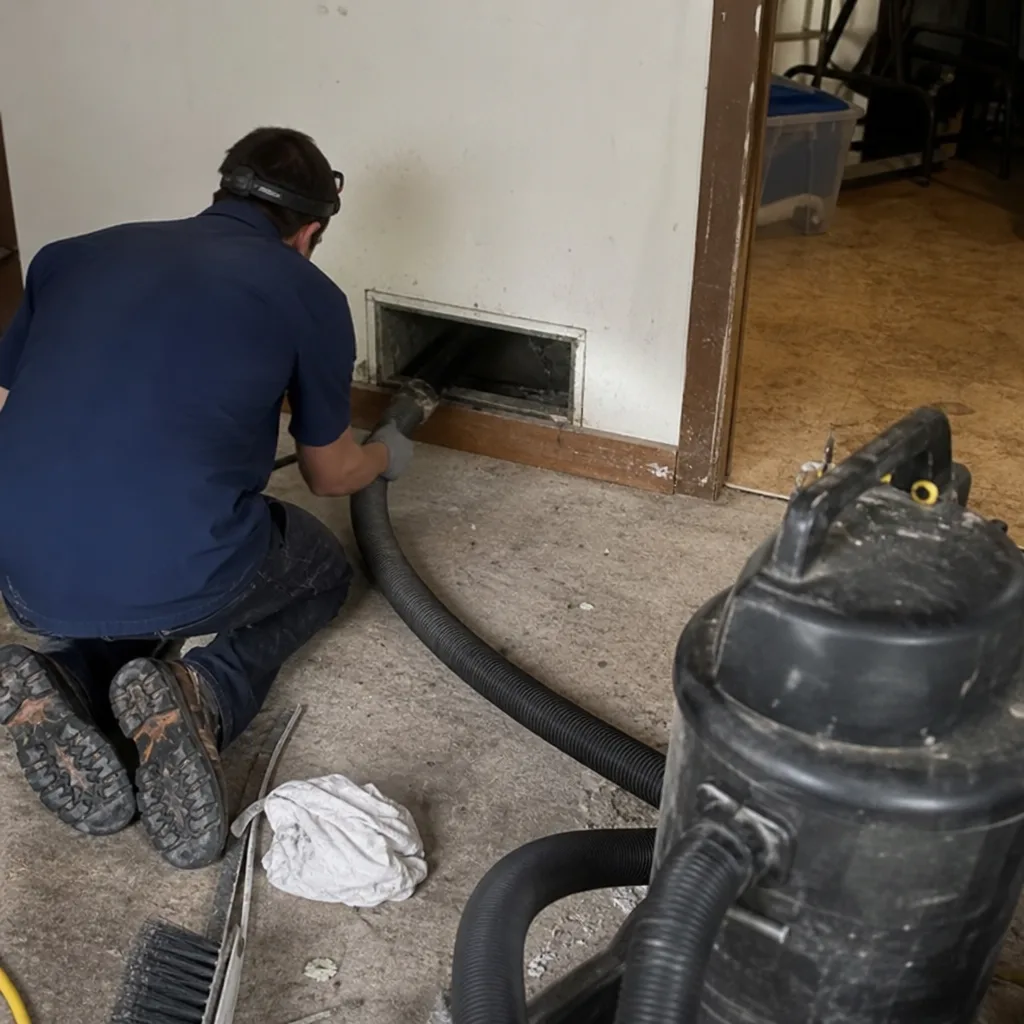 Before
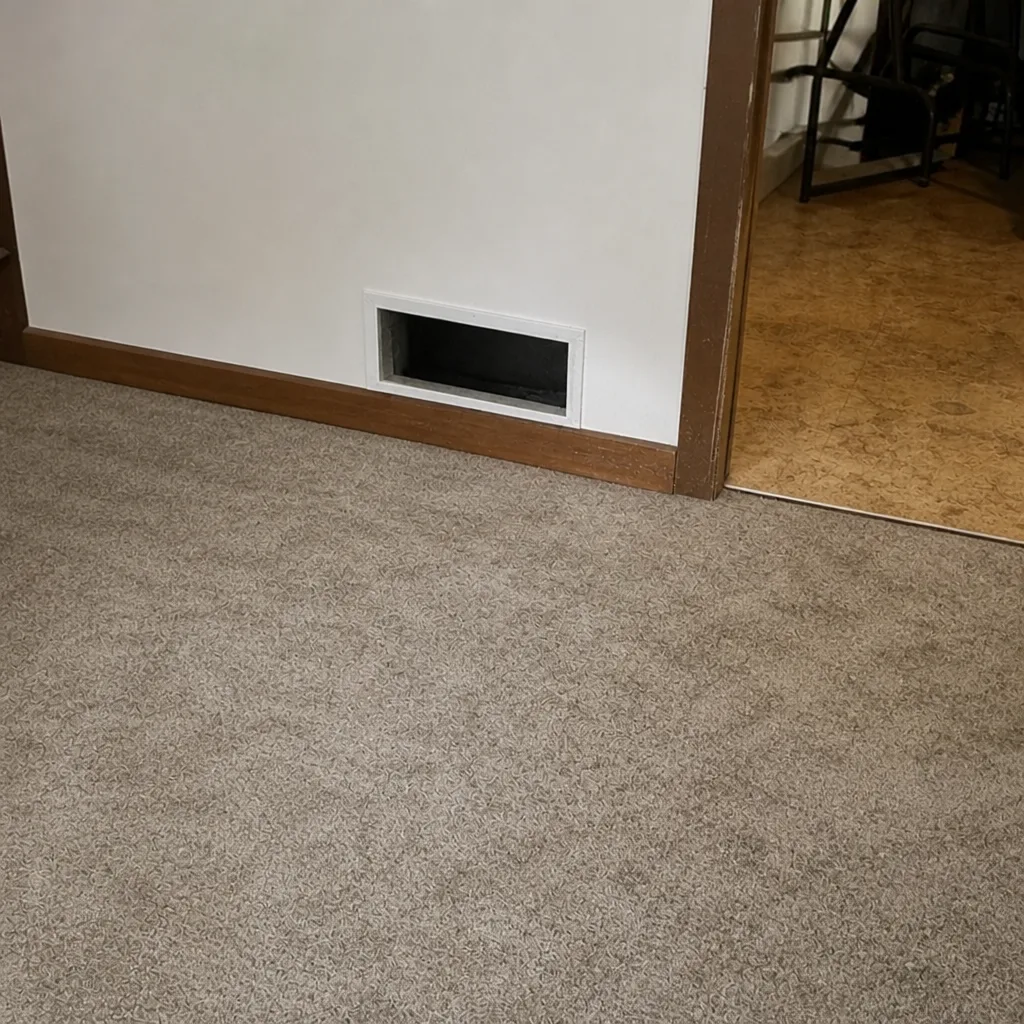 After
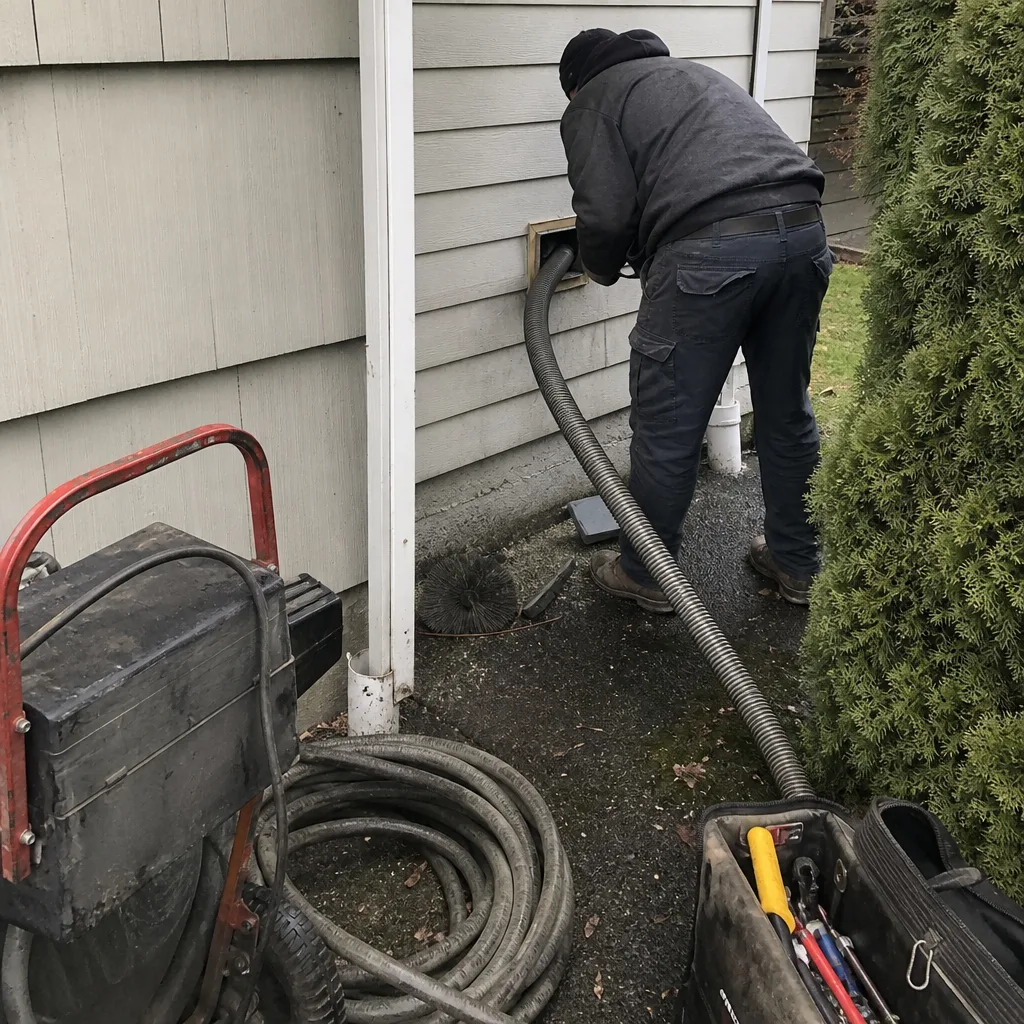 Before
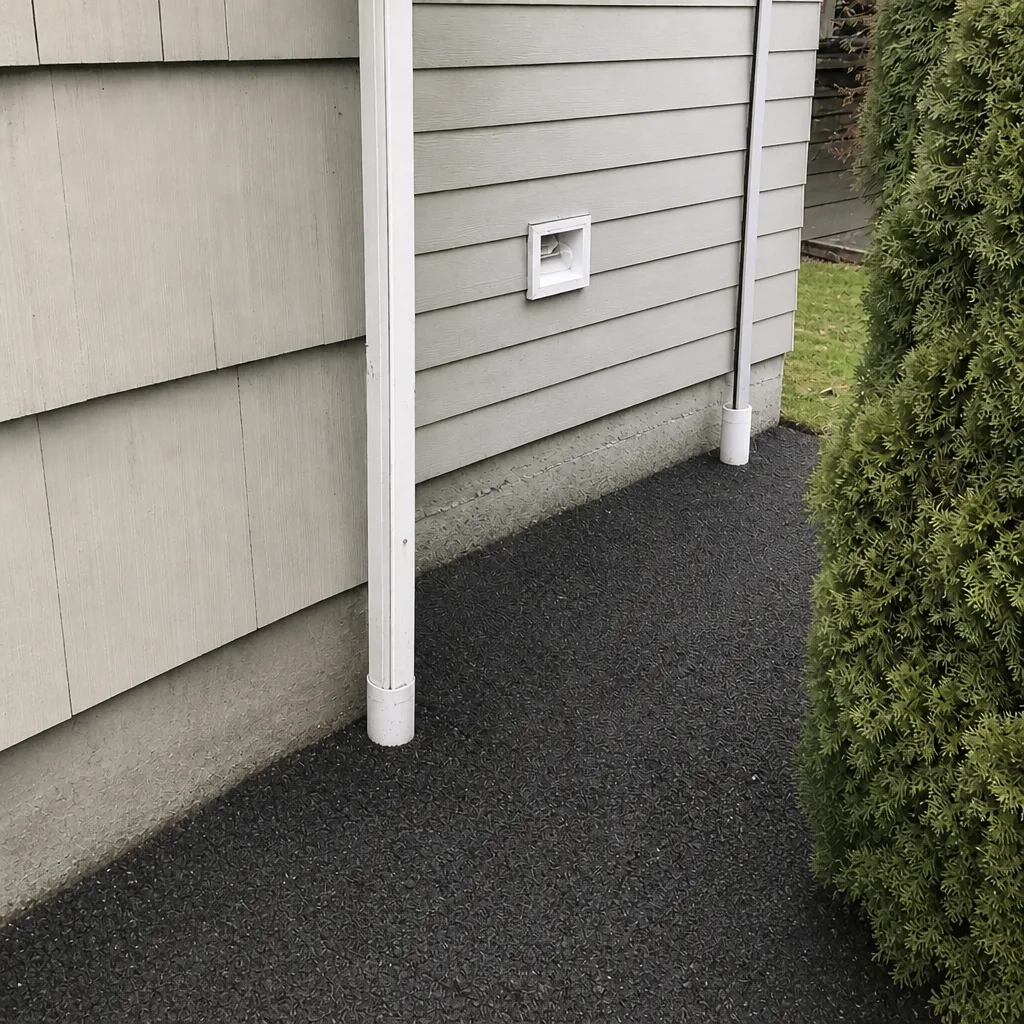 After
 Before
 After
When to Call a Professional
Call a professional when you notice persistent musty odors from registers, when visible dust or debris blows out of supply vents after the system starts, or when you can see mold-favorable conditions on duct surfaces or the air handler. Call if your home was built before 1990 and the ductwork has never been inspected, especially in older neighborhoods across Renton where flex duct has had decades to degrade. Call if it’s been years since your dryer vent was cleaned, if your clothes take longer to dry, or if the dryer body gets hot. Call if the last cleaning you booked came with a price that grew once the technician arrived, and you want a written estimate before anything starts.
Duct Cleaning Renton offers free estimates in Renton. Call (866) 942-6902. We answer 24/7. Fast dispatch from 7am to 7pm, Sunday through Friday.
Frequently Asked Questions
Air duct cleaning in Renton is priced per system, with a written estimate before work begins, and typical whole-system work lands in the mid-hundreds of dollars depending on the number of runs, your duct material, and what the inspection finds. We don’t price per vent and we don’t quote a teaser number that grows on site. Call (866) 942-6902 for an exact quote. Estimates are free.
There’s no universal interval, and the three-to-five-year figure doesn’t fit Renton’s climate well because wildfire smoke seasons and long wet months load ductwork differently than a dry inland city. An inspection is the right starting point, then cleaning based on what’s actually found inside the system. Call (866) 942-6902 and we’ll help you figure out where your home stands. Estimates are free.
Cheap quotes usually reflect a lighter job: a portable vacuum instead of contractor-grade negative-pressure extraction, no rotary mechanical agitation, and no containment filtration running in the living space. Sometimes they’re also a door-opener price that grows once the technician arrives. Ask what equipment is being used and whether the price is per system. Call (866) 942-6902 for a quote based on what your system actually needs. Estimates are free.
A proper job ends with an inspection you can see: exposed access points, before-and-after photos of your own ductwork, a check on flex liner condition, and a walkthrough of what was found. Not a stock photo and a payment request. Call (866) 942-6902 and we’ll explain exactly what our inspection covers. Estimates are free.
Yes. The long wet season drives moisture into ductwork, especially runs through crawlspaces and unheated spaces, and that moisture combines with settled dust to create conditions mold favors. Homes on crawlspace ductwork notice the musty smell at registers first. Call (866) 942-6902 if you’ve been noticing odors, and we’ll talk through what an inspection would cover. Estimates are free.
Yes, when the liner is inspected first and the rotary brush is run at controlled speed and pressure. Flex duct from earlier decades has a thin inner liner that can tear if it’s brushed carelessly, which is why the inspection comes before the cleaning. If a run is already failing, we walk you through repair options. Call (866) 942-6902 to schedule an inspection. Estimates are free.
The Bottom Line
Air duct cleaning in Renton comes down to three things: what’s actually in your ducts, what method is used to remove it, and whether you can see proof the work was done. Renton’s marine climate, wildfire smoke seasons, and older housing stock load ductwork in ways the national average doesn’t capture, so a fixed schedule isn’t the answer. An inspection is. Contractor-grade extraction with containment is. And a written, per-system estimate before work starts is. If your ducts haven’t been inspected in years, or you’ve been quoted a price that seemed too good to be true, that’s the moment to call.
When you’re ready for a straight answer about your home’s ducts, call Duct Cleaning Renton at (866) 942-6902. We answer 24/7. Fast dispatch from 7am to 7pm, Sunday through Friday. Estimates are free, the price is set by the written estimate, and we’ll show you before-and-after photos of your own ductwork when the job is done. We repair ducts, not just clean them, and our technicians work with systems from Honeywell and Aprilaire where those are in place.
Written by the team at Duct Cleaning Renton.