
Last updated November 15, 2026
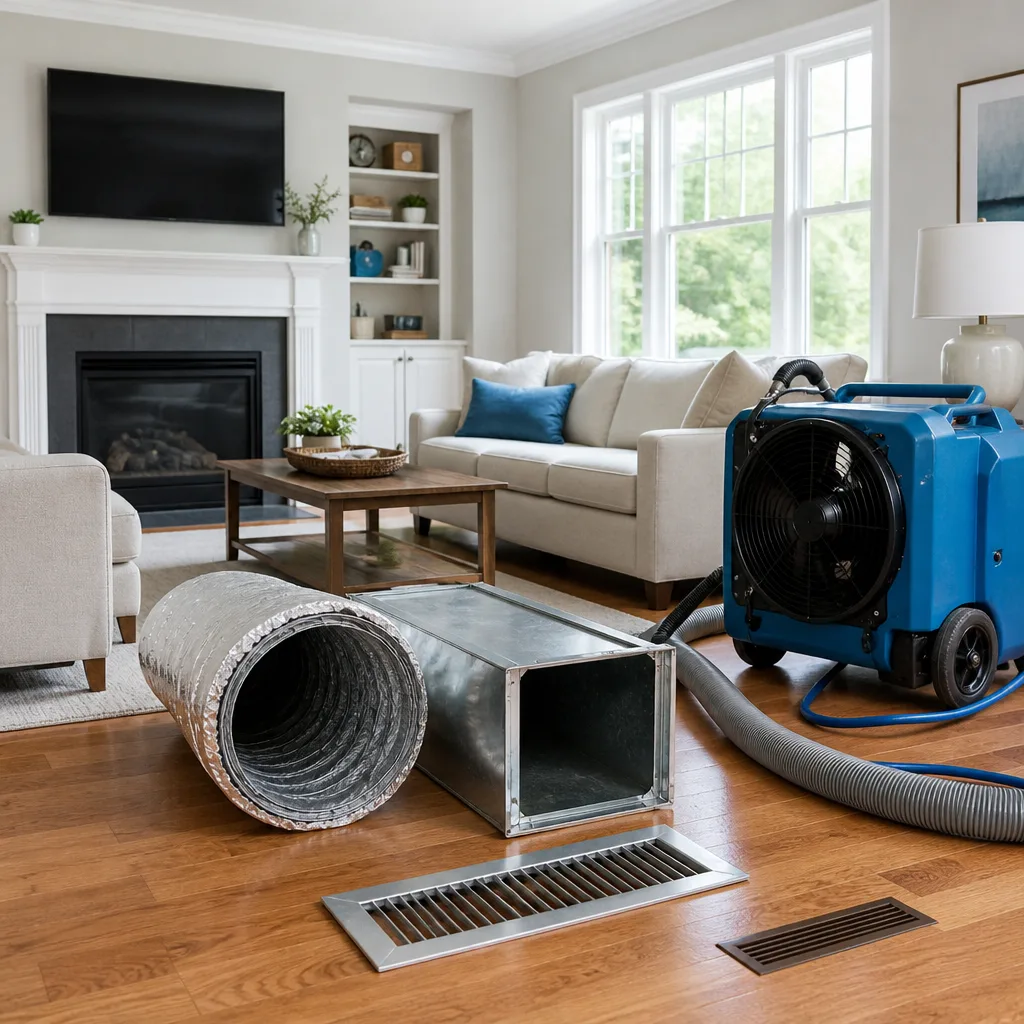 Whole-home duct cleaning
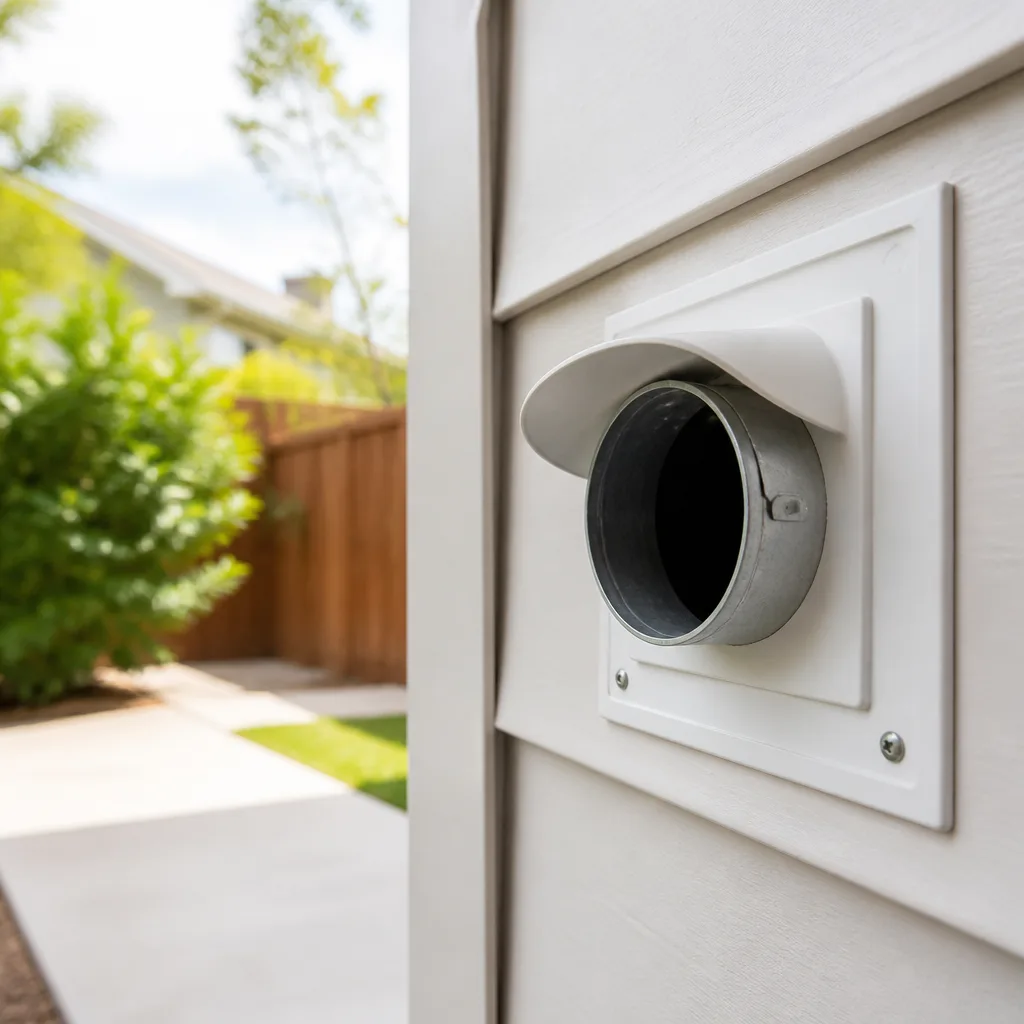 Dryer vent cleaning
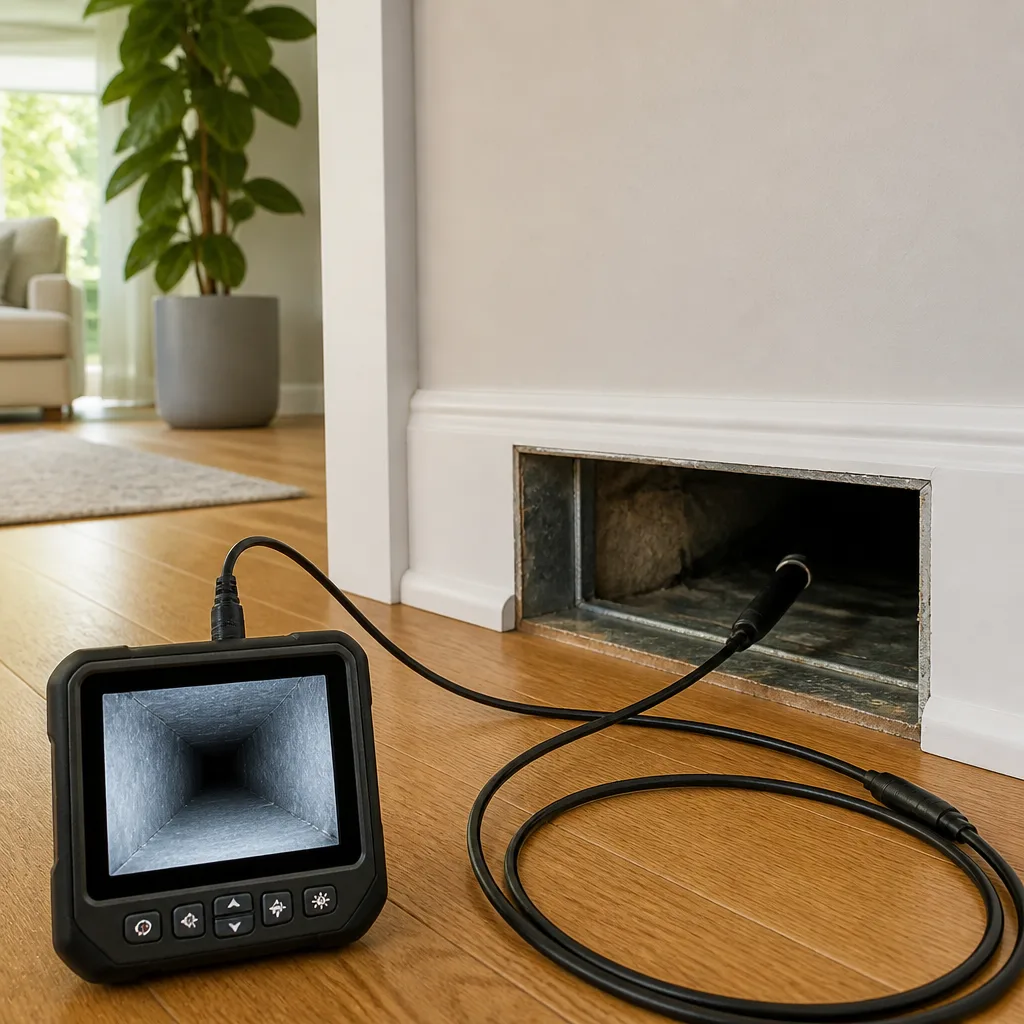 Camera inspection
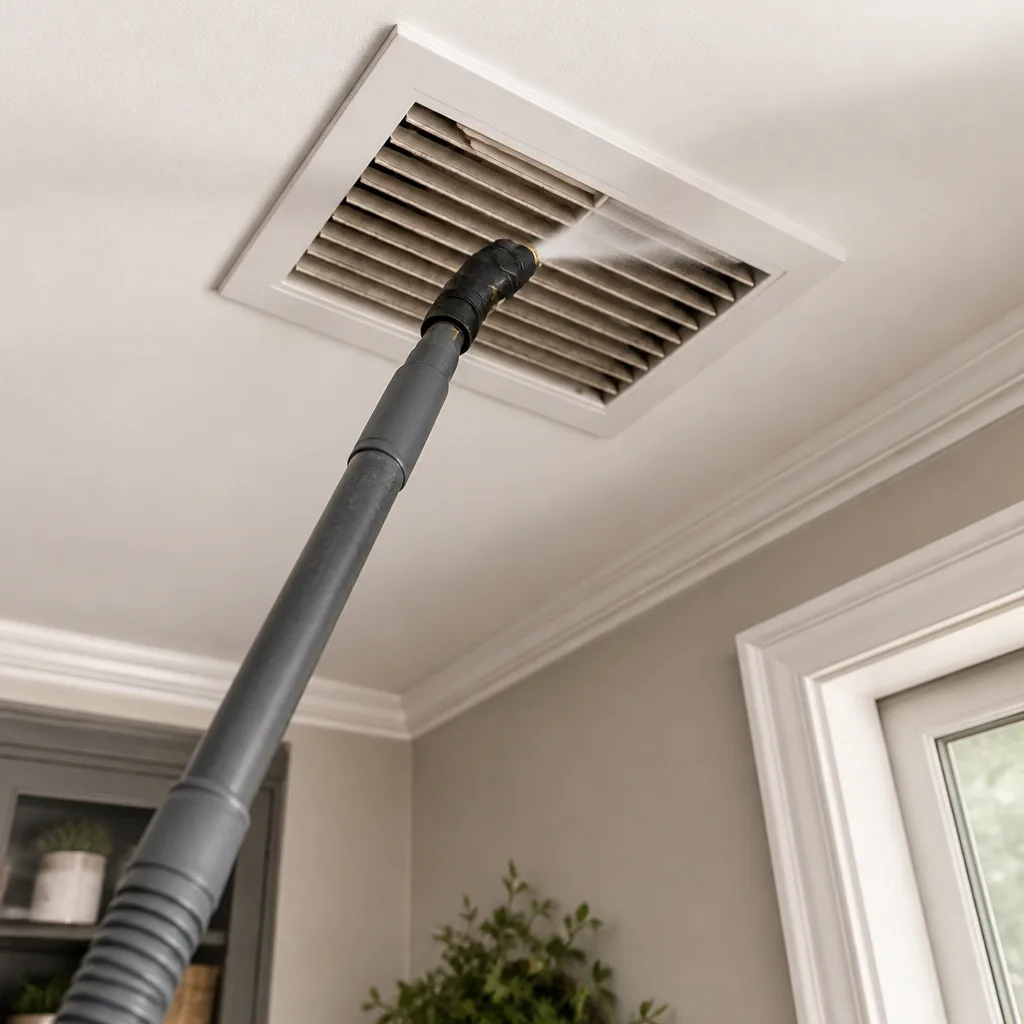 Sanitizing & deodorizing
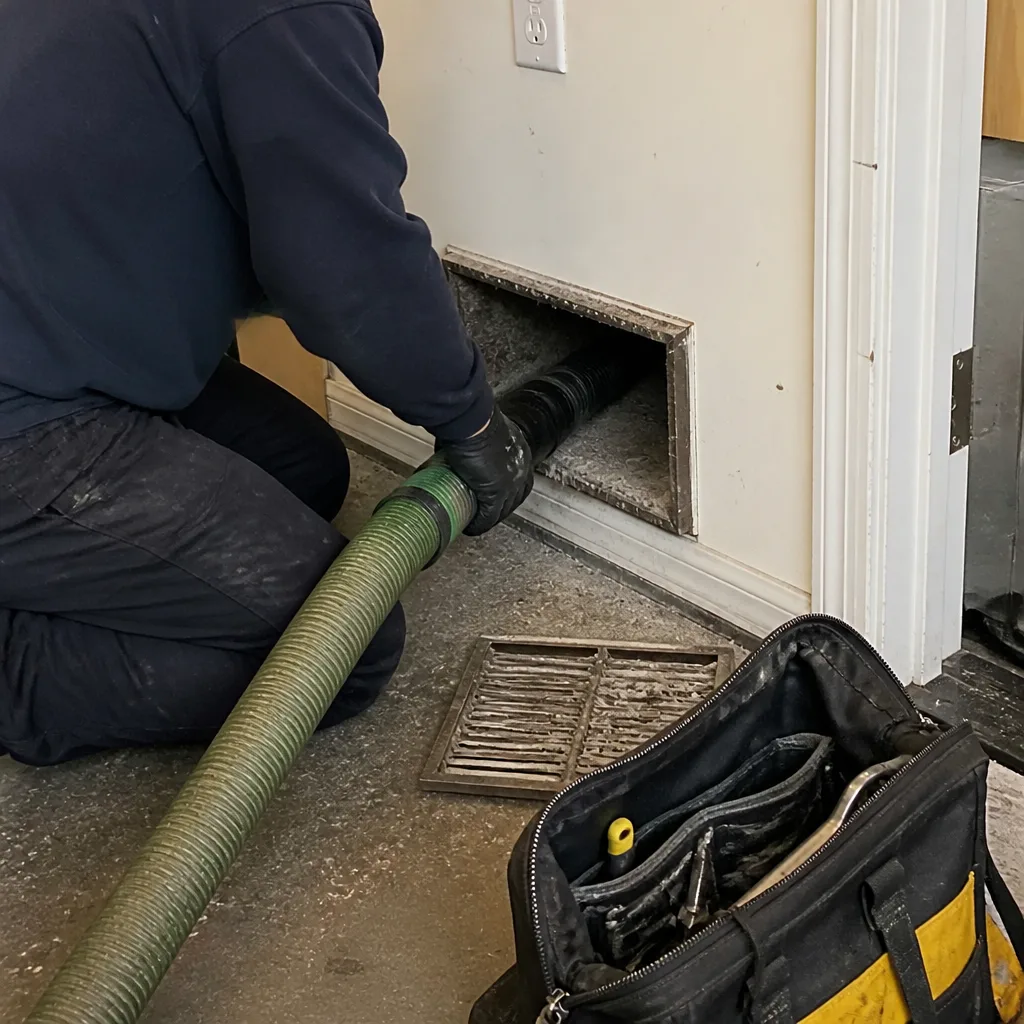
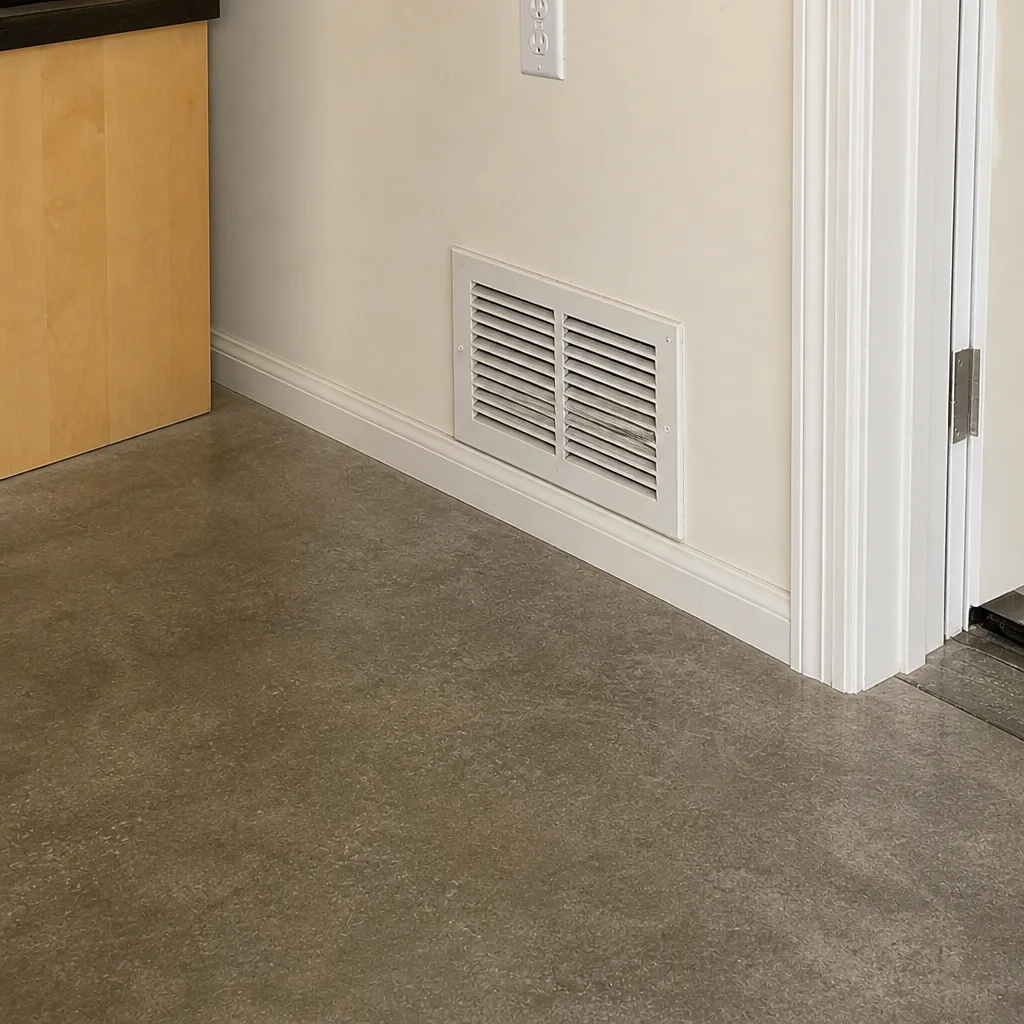
Whole-system duct and dryer vent check with before-and-after photos - you see exactly what came out of your vents
That "$99 whole-house special" is a bait ad - the real number appears once they are in your hallway, or the "clean" is a shop-vac at the register. We photograph the inside of your ducts before and after instead.
Air Duct Cleaning Troubleshooting in Renton: Common Problems and How to Fix Them
A clogged return duct and a failing blower motor produce almost identical symptoms. You feel weak airflow at the registers, some rooms never get comfortable, and the system runs longer than it should. But only one of those problems goes away after a cleaning. The other one needs an HVAC technician, and no amount of brushing and vacuuming will touch it. That gap is where homeowners lose money, paying for a cleaning that was never going to solve the problem they actually had. This guide walks you through the troubleshooting that happens before anyone books a job: how to read the symptoms your duct system is giving you, decide whether you’re dealing with debris, a repair, or an equipment failure, and know what to ask before you spend a dollar.
Quick Answer
Most air duct problems in Renton come down to one of three causes: accumulated debris restricting airflow, a physical breach in the duct system like a disconnected joint or torn flex, or a mechanical failure in the furnace or air handler that a cleaning can’t fix. You can narrow it down yourself by checking airflow at several registers, listening for rattle or whistle, and noting whether smells appear only when the system runs. A professional-grade cleaning with rotary agitation and HEPA extraction resolves the first. Duct repair resolves the second. The third belongs to an HVAC tech, and a good duct company will tell you so instead of taking the job.
Styles & brands we work with
- Whole-home duct cleaning
- Dryer vent cleaning
- Camera inspection
- Sanitizing & deodorizing
Table of Contents
- Weak Airflow: Debris or Mechanical Failure?
- Musty and Burning Smells After Cleaning
- Why Renton’s Wet Climate Creates Condensation Problems
- Duct Leakage vs. Duct Contamination
- Insisting on a Post-Cleaning Camera Inspection
- Dryer Vent Problems That Look Like Duct Problems
- Honeywell and Aprilaire Systems: What’s Different
- Common Mistakes to Avoid
Weak Airflow: Debris or Mechanical Failure?
Weak airflow is the number one complaint we hear in Renton, and it’s also the symptom with the widest range of possible causes. The trick is separating a supply problem from a delivery problem. Debris in the ducts is a delivery problem. A blower that’s lost speed or a filter that’s choked shut is a supply problem. They feel the same at the register, but they don’t get fixed the same way.
Here’s a simple sequence you can run yourself in about fifteen minutes. You don’t need tools beyond a tissue or a strip of lightweight paper.
- Test every register. Hold the tissue against each supply register with the system running. Note which ones hold it firmly and which ones barely flutter. A pattern of weak registers on one side of the house points to a branch duct problem. Uniform weakness everywhere points upstream.
- Check the filter first. A filter loaded with pet hair and dust starves the whole system. Renton homes with long-haired pets or nearby construction tend to load filters faster. Replace it and retest before drawing any conclusion.
- Listen at the return. A healthy return pulls air with a steady, quiet rush. A whistling or straining sound suggests the return is undersized or partially blocked.
- Feel the air temperature. Weak but cold air at a supply register usually means the duct is delivering less volume, not that cooling has failed. Weak and warm air together suggests an equipment issue.
- Watch for short cycling. If the furnace or air handler shuts off well before the house reaches the set temperature, that’s a mechanical or control problem, not a debris problem.
If steps one through four point to debris and step five stays clean, a proper cleaning is likely the fix. If the system short cycles, the blower sounds labored, or airflow is weak at every register even with a fresh filter, get an HVAC technician out first. Our technicians have up to 12 years of experience and will say plainly when a job is an HVAC repair rather than a cleaning. That honesty is cheaper for you and it’s the only way troubleshooting is worth anything.
Musty and Burning Smells After Cleaning
A smell that lingers after a cleaning almost always means something was missed, and the type of smell tells you what. Musty, damp, or basement-like odors point to moisture and biological growth somewhere in the system. Burning or hot-dust smells point to a component overheating, usually a belt or a motor. Neither one is a cleaning failure on its own, but both demand a different response than “clean it again.”
Break it down by category:
- Musty smell that appears only when the system runs. This is the classic signature of growth on the evaporator coil or in the air handler cabinet, not in the ducts themselves. Ducts are a delivery channel; the coil is where condensation lives. A duct cleaning won’t fix a dirty coil, and the coil is where the moisture actually stays.
- Musty smell that fades over a few days after cleaning. This is residual loosened debris that didn’t fully extract. It’s a sign the cleaning was incomplete or the extraction equipment wasn’t strong enough. Professional-grade systems using HEPA-rated vacuum capture don’t leave this behind, which is exactly why we run Nikro equipment and Abatement Technologies air scrubbers on site: it contains dislodged particulates rather than recirculating them through the living room.
- Burning or hot-dust smell during heating cycles. That’s a belt, a motor winding, or dust burning off a heat exchanger. Stop running the system and get an HVAC tech out. This is a mechanical issue and it has nothing to do with duct contamination.
- Chemical or solvent smell. Sometimes a previous cleaning left a residue or a sealant was applied to a joint. A camera inspection will show whether there’s leftover product sitting in the duct runs.
One important note on musty smells in Renton: with our wet climate, a musty smell that only appears during the heating season is often fine, because the system dries out when it runs. A musty smell that’s strongest in the cooling season points to the coil and drain pan. Knowing which season triggers the smell is the fastest way to route the diagnosis.
Why Renton’s Wet Climate Creates Condensation Problems
Condensation inside flex duct is a legitimate troubleshooting category in Renton, not just a cleaning issue. The Pacific Northwest climate runs humid for months at a time, and any duct run that passes through an unconditioned space, like a crawlspace, attic, or an unheated garage ceiling, will see the outside of that duct run colder than the air around it during heating season. Where insulation on the duct has been compressed, torn, or soaked, moisture condenses on the duct wall. That moisture feeds dust, dust feeds growth, and the whole run becomes a reservoir that keeps recontaminating itself.
You can spot the signs before anyone opens a register:
- Water stains or rust streaks on the duct’s outer jacket, visible in a crawlspace or attic
- Insulation that’s sagging, bunched, or separated from the duct surface
- A musty smell that’s strongest in rooms served by the longest duct runs
- Condensation on the outside of metal duct near the air handler cabinet
- Repeated returns of dust in a room after a cleaning, especially near a bathroom or kitchen exhaust
Here’s what matters: cleaning a wet duct system without addressing the moisture is a waste. The debris comes back because the conditions that fed it haven’t changed. The right sequence is to identify whether the duct is actually wet, repair or replace the damaged insulation or duct section, and then clean once the system is dry. That sequence is part of why we treat air duct cleaning and air duct repair as two separate lines of work rather than trying to solve everything with a vacuum. Cleaning without repair is a temporary improvement; repair before cleaning is a permanent one.
If you’ve had ducts cleaned before and been disappointed by what came back within a year, look for this pattern first. In our experience across Renton homes, a repeat problem in a single room usually traces back to one specific duct run that’s either wet, disconnected, or compressed. It’s a localized repair, not a whole-system redo.
Duct Leakage vs. Duct Contamination
Duct leakage is the troubleshooting category most often missed, because it produces symptoms that look like contamination and cleaning never fixes it. A leaking joint means the system is pulling in unconditioned air from the crawlspace or attic, or pushing conditioned air out into a space that doesn’t need it. The ductwork itself may be perfectly clean. But the house won’t feel right, and no amount of rotary brushing will close a gap.
How leaks differ from contamination in practice:
- Leak: Some rooms are starved of air while others get plenty. Airflow is uneven and stays uneven after cleaning. The system may run longer and cost more to operate.
- Leak: Dust accumulates at the same register grilles over and over, especially on the return side, because the leak is pulling unfiltered air in past the filter.
- Leak: A whistling or hissing sound at a joint or at the plenum, most noticeable when the system kicks on.
- Contamination: Airflow is generally okay but the air is dusty, or smells of it. Registers show buildup on the vanes but the distribution across rooms stays balanced.
- Contamination: Debris visible when you shine a light into a supply register and look back as far as you can see.
This is where we’d be blunt with anyone: a Rotobrush-style cleaning is the right tool for contamination and the wrong tool for a leak. Mechanical agitation and high-efficiency extraction clean a duct. They don’t seal a joint. If your symptoms point to a leak, the correct path is to find the leak with a camera or a pressure test, repair the section, and then clean once the system is sealed. We repair ducts, not just clean them, and that’s a distinction worth asking about before you hire anyone in the Renton area. If the company you call can’t separate those two problems, they’ll sell you a cleaning that won’t work.
For more on how a proper cleaning should be sequenced, see our page on air duct cleaning. If you already suspect a leak and want to talk it through, call us and we’ll walk the symptoms with you before scheduling anything.
Insisting on a Post-Cleaning Camera Inspection
You should insist on a post-cleaning camera inspection any time you’re paying for a professional clean, and you should ask before the work starts whether one is included. “Trust me, it’s clean now” is not a quality standard. A camera run through the duct during and after cleaning turns the work into something you can verify. Before-and-after photos of your actual ducts, plus a camera walk-through at the plenum and a sample of the longest runs, is the baseline you should expect from anyone charging a professional rate.
Here’s what a real inspection involves:
- Before the clean. A camera is run into the plenum and at least one long branch. The technician notes the visible contamination level and flags any damaged flex, disconnected joints, or moisture.
- During the clean. The rotary brush agitates the duct walls. A HEPA-rated vacuum pulls material back to the collection unit. Containment equipment keeps dislodged particles out of the living space.
- After the clean. The same runs are re-inspected. You see the duct walls clear of debris. Anywhere the brush couldn’t fully reach should be called out with a plan, not glossed over.
- Photos. Before-and-after shots of the same runs. If the company can’t or won’t produce them, that tells you something about how seriously they take verification.
Why insist on this? Because the duct cleaning industry has a known problem with bait-and-switch, and a camera is the one tool that makes the difference between a real clean and a drive-by visible. If a company shows up with a shop vac and a smile and skips the camera, the cleaning is an approximation. Professional-grade equipment isn’t a marketing term. It means a rotary brush built for duct interiors, a HEPA-rated collector, and containment that keeps the air in your home clean during the work. If you want to read how we handle this in the field, our duct cleaning Renton page covers the process from the first register to the final inspection.
Dryer Vent Problems That Look Like Duct Problems
A slow-drying dryer and a musty laundry room are often misdiagnosed as part of the HVAC duct system, when the culprit is the dryer vent. This matters because the fix is different and the stakes are higher. Lint accumulation in a dryer vent is a documented fire risk, and a vent that’s restricted also forces the dryer to run longer, which drives up energy use and wears the appliance out faster. The vent is not part of your HVAC duct system and cleaning one doesn’t clean the other.
Symptoms that point to the dryer vent rather than the air ducts:
- Clothes come out hot and damp after a full cycle, or need two cycles to dry
- The dryer cabinet or the wall behind it feels unusually warm during operation
- The exterior vent flap barely lifts, or doesn’t lift at all, when the dryer runs
- Lint is visible around the exterior vent hood or behind the dryer
- A musty or hot smell in the laundry area only, not in the rest of the house
If those line up, it’s a vent problem and it should be handled promptly. If they don’t, and the smells and dust show up in the main living spaces, that’s the HVAC duct system and the troubleshooting path above applies. Knowing which one you’re dealing with saves you from paying for the wrong service. We treat dryer vent cleaning as a fire-safety job in its own right, not an add-on to duct cleaning, because the risks and the equipment are different.
Honeywell and Aprilaire Systems: What’s Different
Homes running premium whole-home air quality equipment, particularly Honeywell and Aprilaire systems, need a duct service provider who understands how those components integrate with the ductwork. This isn’t a sales pitch. It’s a practical troubleshooting point. A cleaning or repair that ignores the air quality equipment on the system can leave the homeowner with a newly cleaned duct system and a bypassed or damaged media cabinet, humidifier, or filtration module that was never part of the plan.
What to watch for if you run one of these systems:
- Media cabinets and filter housings. A Honeywell or Aprilaire media cabinet sits in line with the ductwork and needs to be handled during the clean, not bypassed. The filter is part of the airflow path and a clogged one mimics duct debris.
- Whole-home humidifiers. Aprilaire humidifiers tap into the supply plenum. A damaged or leaking humidifier pad or water panel can introduce moisture into the duct, which is exactly the condensation problem we covered above. If you have a musty smell and a whole-home humidifier, check the pad before blaming the ducts.
- UV and filtration modules. These are inline components that can be dislodged or fouled if the cleaning isn’t careful near the plenum. Trained technicians know where the breakpoints are and how to re-seat everything at the end.
- Zoning dampers. Homes with zoned systems have motorized dampers in the duct runs. Those need to be identified and left in the correct position. Airflow problems in a zoned house are often a damper issue, not a debris issue.
The point of all this is simple: your ducts and your air quality equipment work as one system, and troubleshooting them as one system is what gets a real fix. If a company can’t tell you how they handle a Honeywell media cabinet or an Aprilaire humidifier, they aren’t set up to work on your system. We’re trained on both, and we’d rather talk through your specific setup than guess.
Common Mistakes to Avoid
- Assuming a cleaning will fix every airflow complaint. If your system short cycles or the blower sounds strained, the problem is upstream of the ducts. Book an HVAC technician first, then clean once the equipment is healthy. Cleaning a system with a failing motor doesn’t make the motor healthy.
- Choosing a quote by price alone. The suspiciously cheap quote in Renton is usually a shop vac and a technician who will find an “urgent” problem once they’re on site. Ask what equipment they use, whether containment is part of the job, and whether post-cleaning photos are included. The answers sort real providers from approximations quickly.
- Cleaning a wet duct system. Our climate makes this easy to do by accident. If the duct has condensation, damaged insulation, or stains on the jacket, cleaning first is wasted money. Find the moisture source, repair it, then clean.
- Ignoring the dryer vent. Lint buildup is a fire hazard, and the symptoms look like duct problems to anyone who hasn’t dealt with it before. If the dryer is slow and the laundry area runs hot, that’s a vent job and it should be scheduled as one.
- Accepting “we checked, it’s clean” without evidence. A camera and before-and-after photos of your actual ducts are the standard. If the company can’t show you what they saw, you don’t know what was done.
- Letting a leak go because the house “feels okay.” A leaking joint pulls unfiltered crawlspace air in and pushes conditioned air out. It won’t fix itself, and no cleaning will close it. If airflow is uneven across rooms or a register whistles, get it inspected.
- Cleaning the ducts but skipping the air handler. The evaporator coil and the blower compartment are part of the same air path. A clean duct attached to a dirty coil returns debris to the system within weeks.
When to Call a Professional
Call a professional duct company when you’ve checked the filter, tested airflow at several registers, and still can’t explain the problem. That’s the point where self-diagnosis stops paying off. Call immediately if you see water stains on duct insulation, smell burning during a heating cycle, notice a disconnected joint in the crawlspace or attic, or have visible debris in the duct runs. Call for an inspection if you’re buying a Renton home and don’t know the duct history, if the previous owner had work done and you can’t verify it, or if a room has been uncomfortable for a year and three filter changes didn’t solve it. Call for a dryer vent inspection if the dryer takes two cycles or the exterior flap doesn’t lift. Duct Cleaning Renton offers free estimates in Renton. Call (866) 942-6902. We answer 24/7. Fast dispatch from 7am to 7pm, Sunday through Friday. If you’re wondering whether your situation even warrants a visit, call us and describe the symptoms; you’ll get a straight answer about whether it’s a cleaning, a repair, or something your HVAC tech should handle.
See the difference
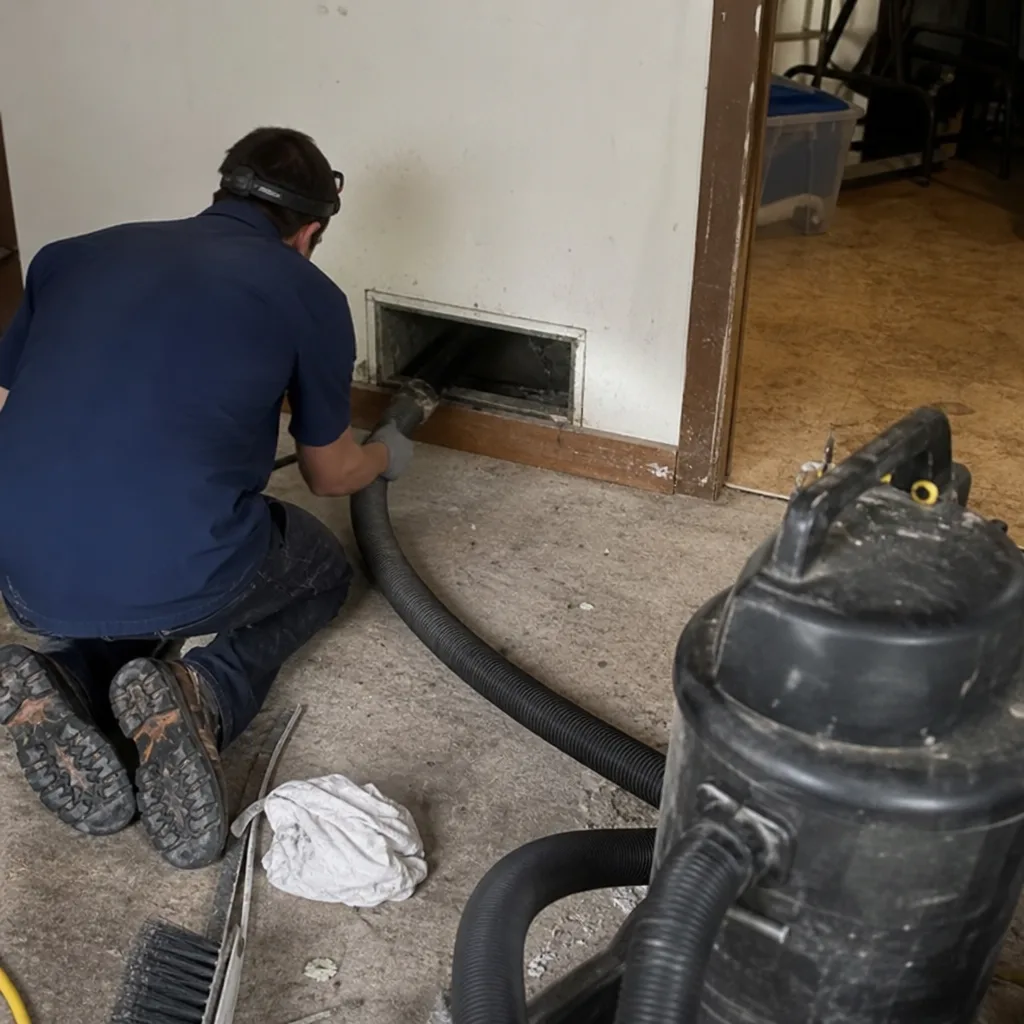 Before
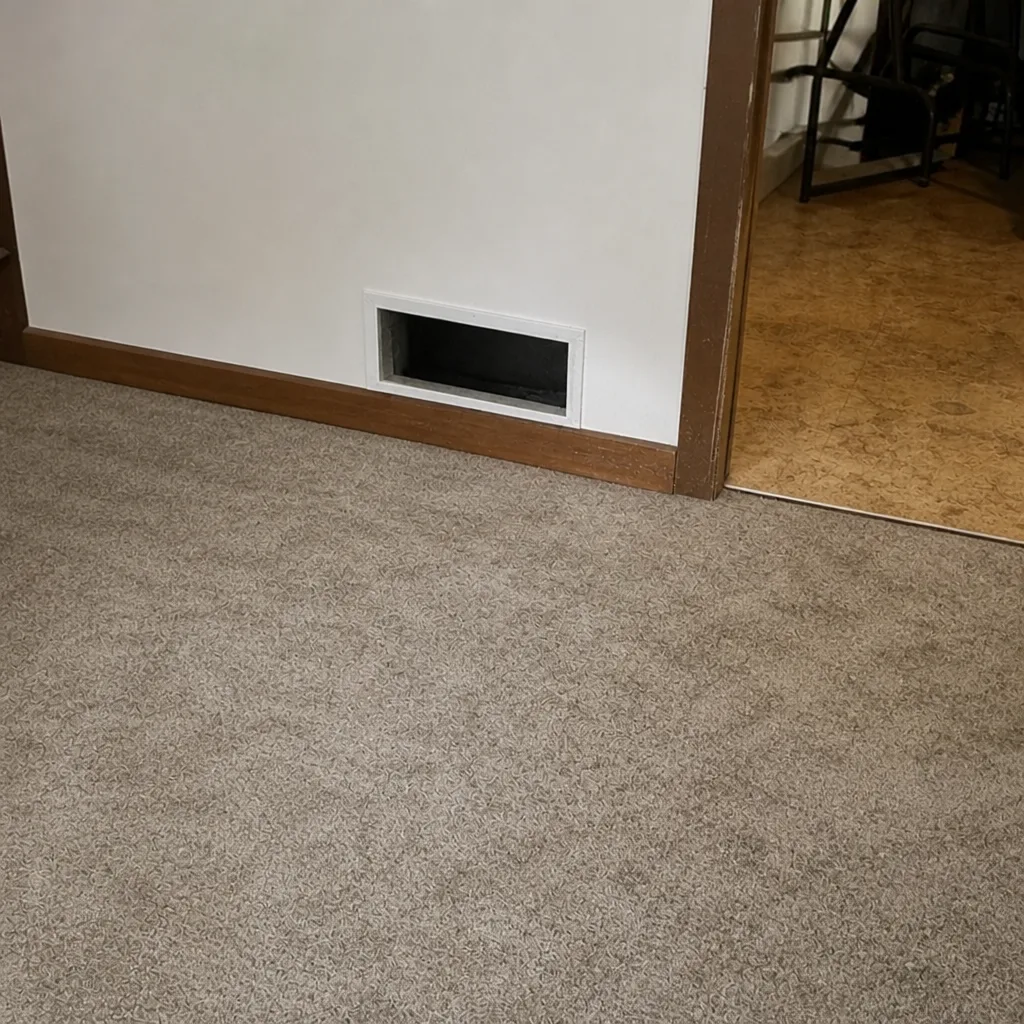 After
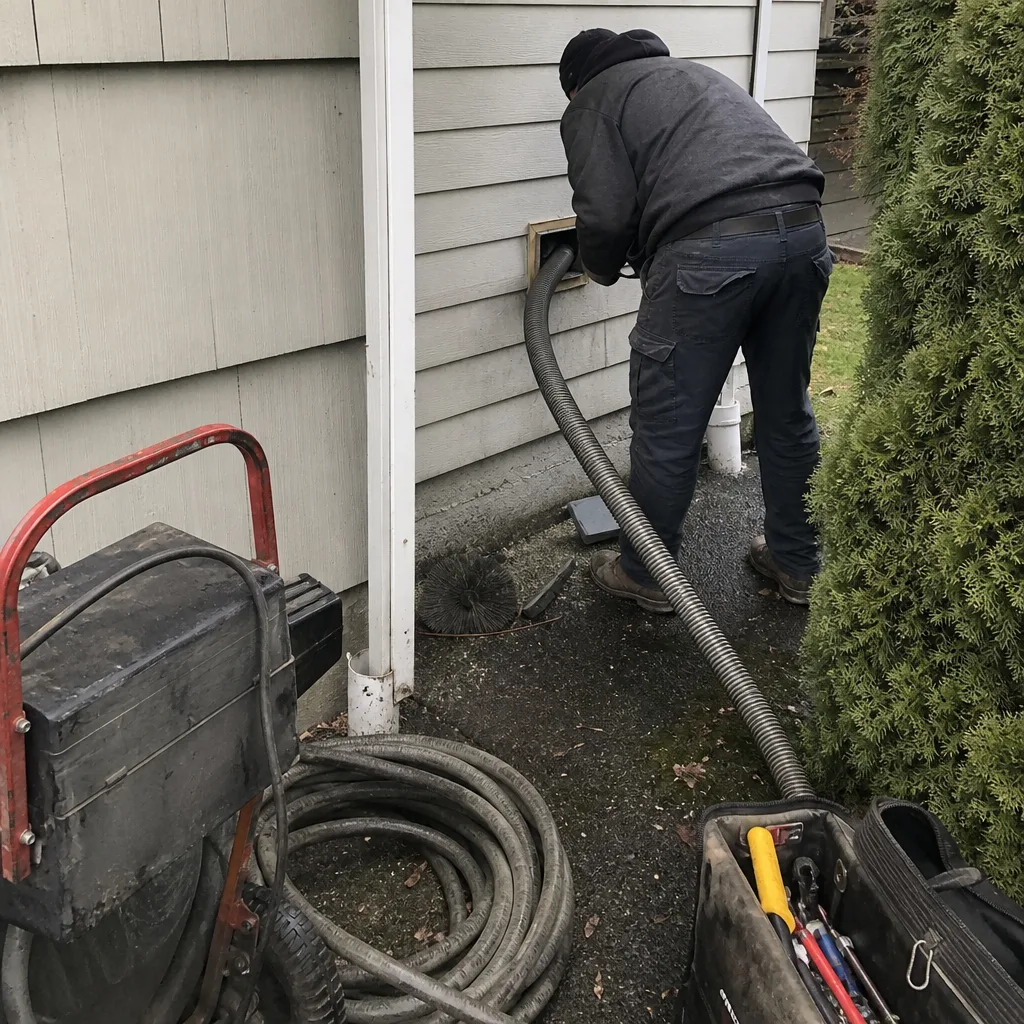 Before
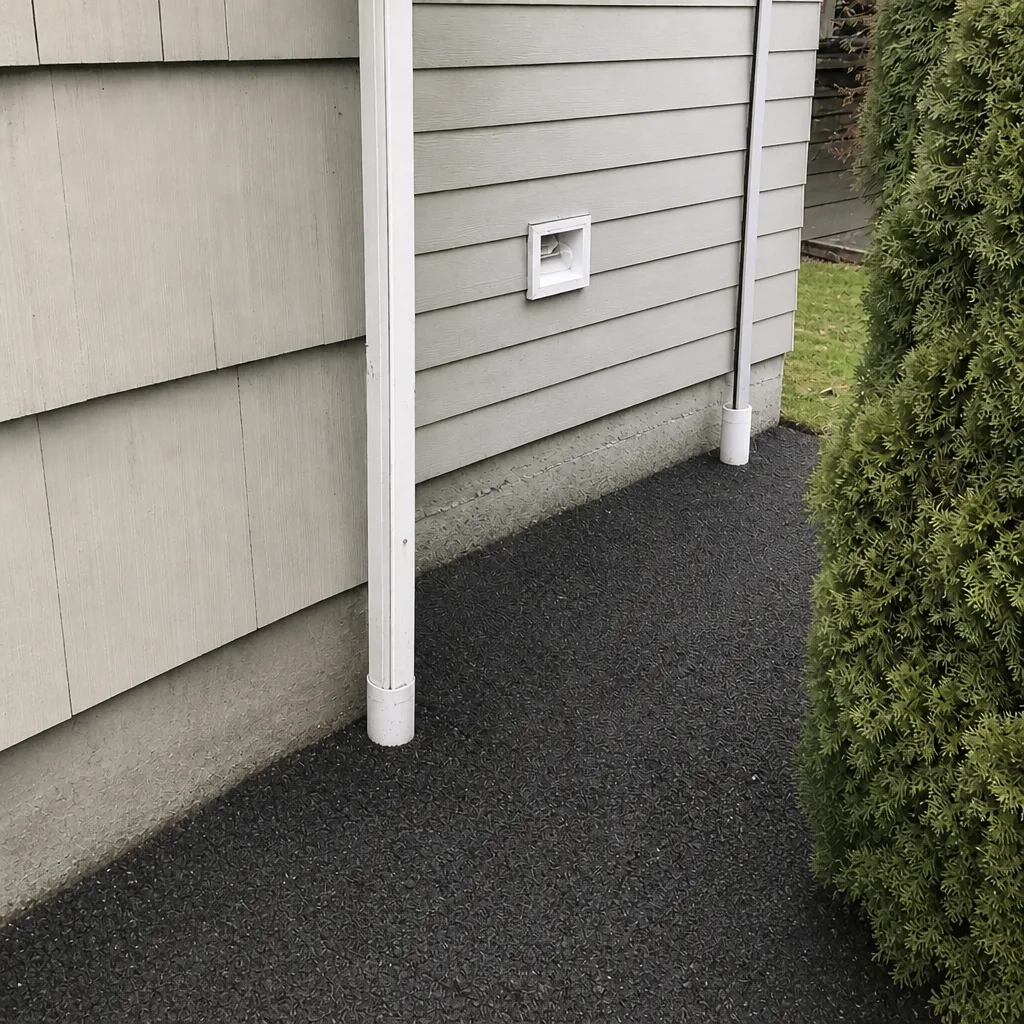 After
 Before
 After
Frequently Asked Questions
Most whole-system residential cleanings fall in a range set by the number of vents, the layout, and whether a dryer vent or repair is included, and the written estimate you receive before work starts is the price you pay. We don’t quote per-vent teaser prices or coupon figures, because those numbers tend to grow once the technician sees the system. Call (866) 942-6902 for an exact quote on your home. Estimates are free.
Because some of them aren’t for the same work, and some aren’t for the same equipment. A very low quote usually means a consumer-grade vacuum, no containment, no camera, and no post-cleaning inspection. What you’re paying for in a professional job is the equipment that actually agitates and captures debris, plus the verification that it was done. The “cheap” price often becomes a larger invoice once on site. Ask what equipment they run and whether containment is included, and the honest answer will separate the quotes that mean something from the ones that don’t. Call (866) 942-6902 if you’d like to compare what we’d do on your system.
Before-and-after photos of your own ducts and a camera walk-through of the plenum and several runs. That’s the standard. It’s not a big ask; it’s the only way you can confirm what happened inside a duct you can’t see. If the company can’t produce it, don’t accept the job as complete. Ask for it up front. Call (866) 942-6902 and we’ll tell you exactly what our inspection includes for a Renton home.
Most homes don’t have a fixed schedule and don’t need one. The honest answer is that it depends on the home: pets, recent remodeling, a long-empty house, or visible debris at the registers are the real triggers. A home with no pets, no recent work, and a well-maintained filter can go a lot longer between cleanings than the industry sometimes suggests. If you’re not sure, a single inspection will tell you whether cleaning is needed now or can wait. Call (866) 942-6902 for a free estimate.
It’s worth it when the ducts are actually dirty, and the climate adds one complication: moisture. Renton’s humidity means flex duct in crawlspaces and attics can hold condensation when insulation is damaged, and that moisture keeps dust problems coming back. Cleaning a dry system with real debris is a good use of money. Cleaning a wet system without fixing the moisture source isn’t, which is why we check for moisture before we clean. Call (866) 942-6902 and describe what you’re seeing.
Sometimes, but not always. If one room has weak airflow because the branch duct is loaded with debris, cleaning helps meaningfully. If the system is leaking at a joint or a zoning damper is stuck, cleaning won’t fix it and you need a repair. The register test at the top of this guide tells you a lot about which one you’re dealing with. If the temperature issue has been there for years and cleaning didn’t fix it before, get it inspected for a leak before booking another clean. Call (866) 942-6902 for a free estimate.
The Bottom Line
The most expensive duct mistake is booking a cleaning for a problem a cleaning can’t solve. Weak airflow, musty smells, uneven temperatures, and burning odors all look similar at the register, but they don’t have the same fix. Debris needs a proper clean with rotary agitation and HEPA extraction. Moisture needs the condensation source repaired first. Leaks need a repair, not another pass with the brush. Mechanical failures need an HVAC tech. If you take one thing from this guide, take the sequence: test the registers yourself, check the filter, look for moisture and leak signs, then call. Read our Renton page for more on how local conditions shape the work, and call us when you’re ready. We’ll tell you honestly whether you need a clean, a repair, or a referral.
Every job is quoted per system, agreed before work starts, and backed by before-and-after photos of your own ducts. We use Rotobrush and Nikro equipment with Abatement Technologies filtration on site, and we work with Honeywell and Aprilaire systems as part of the job, not as an afterthought.
Ready to Get a Straight Answer?
Call (866) 942-6902 for a free estimate on air duct cleaning, dryer vent cleaning, or duct repair in Renton. We answer 24/7. Fast dispatch from 7am to 7pm, Sunday through Friday. Describe what you’ve noticed, and we’ll help you figure out which of the categories above applies before you spend anything.
Written by the team at Duct Cleaning Renton.